

























https://lipipress.lipi.go.id/detailpost/ekspedisi-tambrauw-sepotong-surga-di-tanah-papua
Allen, G. R. 1991. Field Guide to the Freshwater Fishes of New Guinea. Christensen Research Institute.
Allen, G. R., K. G. Hortle, dan S. J. Renyaan. 2000. Freshwater Fishes of the Timika Region, New Guinea. Indonesia: PT
Freeport Indonesia.
Alongi, D. M. 2007. “Mangrove Forest of Papua”. Dalam Marshall AJ & Beehler BM. The Ecology of Papua Part 2. The
Ecology of Indonesia Vol. VI, 824-857. Singapore: Periplus.
Backer, C. A., dan R. C. Bakhuizen v/d Brink. 1965. Flora of Java vol. 1, 247–248. Netherland.
BPS Kabupaten Sorong. 2014.“Tambrauw dalam Angka 2014.”Tambrauw in Figures, 2014. Sorong: Badan Pusat Statistik Kabupaten Sorong.
BPS Kabupaten Sorong. 2015. “Papua Barat dalam Angka 2014.” Papua Barat in Figures 2014. Sorong: Badan Pusat Statistik Kabupaten Sorong.
BPS Kabupaten Sorong. 2016. Tambrauw dalam Angka 2015.” Tambrauw in Figures, 2015. Sorong: Badan Pusat Statistik Kabupaten Sorong.
Baltz, R. 2007. “Antimicrobials from Actinomycetes: Back to the future”. Microbe 2(3): 125–131.
Bappeda Tambrauw. 2014. Revisi Rencana Tata Ruang Wlilayah Kabupaten Tambrauw Tahun 2014. Papua: Badan
Perencanaan Pembangunan Daerah Kabupaten Tambrauw.
BGCI (Botanic Gardens Conservation International). 2016. ”Ex situ conservation”. Diakses pada 6 Oktober 2016 .https:// www.bgci.org/plant-conservation/ex_situ/
Bismark, M., E. Subiandono, dan N. M. Heriyanto. 2008. “Keragaman dan Potensi Jenis serta Kandungan Karbon Hutan Mangrove di Sungai Sibelen Siberut, Sumatera Barat”. Jurnal Penelitian Hutan dan Konservasi Alam 5(3): 297–306.
Bi, Z., dan B. B. He. 2013. “Characterization of Microalgae for the Purpose of Biofuel Production”. Transactions of the ASABE Vol. 56(4): 1529–1539.
Botha, A. 2011. “The Importance and Ecology of Yeasts in Soil”. Soil Biology and Biochemistry 43(1): 1–8.
de Souza, A. C., F. P. Carvalho, C. F. S. Batista, R. F. Schwan, dan D. R. Dias. 2013. “Sugarcane Bagasse Hydrolysis using
Yeast Cellulolytic Enzymes”. Journal of Microbiology and Biotechnology 23(10): 1403–1412.
Dor er, J., and H. V. Amorim. 2007. “Applied Bioethanol Technology in Brazil”. Zuckerindustrie 132 (9): 694–697. Diakses
dari ://WOS:000250411600002.
Fatem, S. M., dan G. Asem. 2015. “Kabupaten Konservasi Sebagai Political Action Pemerintah Daerah dalam Mendukung Konservasi Sumberdaya Alam Hayati: Studi kasus Kabupaten Tambrauw, Papua Barat”. Pros Sem Nas Masy Biodiv Indon 1 (6): 1403–1410. ISSN: 2407–8050.
Frazier, S. 2007. “Threats to Biodiversity”. Dalam The Ecology of Papua Part Two diedit oleh A. J. Marshall dan B. M. Beehler. Singapore: Periplus Editions (HK) Ltd.
Froese, R., dan D. Pauly. 2016. “Fish Base”. Terakhir dimodi kasi pada Juni 2016, version (06/2016). www. shbase.org. Gilliard, E. T., dan M. Lecroy. 1970. “Notes on Birds from the Tamrau Mountains, New Guinea”. American Museum
Novitates, No. 2420.
Hein, L., K. V. Koppen, R. S. de Groot, dan E. C. van Ierland. 2006. “Spatial scales, stakeholders, and the valuation of
Ecosystem Services”. Ecological Economics 57: 209–228.
Helmi, N., K. Kartawinata, dan I. Samsoedin. 2009. “An Undescribed Lowland Natural Forest at Bodogol, Gunung Gede
Pangrango National Park, Cibodas Biosphere Reserve, West Java, Indonesia”. Reinwardtia 13(1): 33–44.
Hug, J. J., C. D. Bader, M. Rems?kar, K. Cirnski, dan R. Mu?ller. 2018. “Concepts and Methods to Access Novel Antibiotics
from Actinomycetes”. Antibiotics 7(44): 1–47, doi:10.3390/antibiotics7020044.
Huxley, C. R. 1978. “The Ant-plants Myrmecodia and Hydnophytum (Rubiaceae), and the Relationships between Their
Morphology, Ant Occupants, Physiology, and Ecology”. New Phytologist 80(1): 231–268.
Huxley, C. R., dan M. H. P. Jebb. 1993. “The Tuberous Epiphytes of the Rubiaceae 5: A Revision of Myrmecodia”. Blumea
(2): 271–334.
ISSG (Invasive Species Specialist Group). 2005. “IUCN SSC Invasive Species Specialist Group”. Diakses pada tanggal 11 Agustus 2016 http://www.issg.org/about.htm
Jespersen, L. 2003. “Occurrence and Taxonomic Characteristics of Strains of Saccharomyces cerevisiae Predominant in African Indigenous Fermented Foods and Beverages”. FEMS Yeast Research 3: 191–200.
Johns, R. J., G. A. Shea, W. Vink, dan P. Puradyatmika. 2007. “Mountain Vegetation of Papua”. Dalam The Ecology of Papua, The Ecology of Indonesia Series Vol. VI (2) 977–1024 diedit oleh A. J. Marshall dan B. M. Beehler. Hongkong: Periplus.
Kartawinata, K., I. Samsoedin, M. Heriyanto, dan J. J. Afriastini. 2003. “A Tree Species Inventory in a One-hectare Plot at The Batang Gadis National Park, North Sumatra, Indonesia”. Reinwardtia 12 (2): 145–157.
Kessler, M., P. J. Keßler, S. R. Gradstein, K. Bach, M. Schmull, dan R. Pitopang. 2005. “Tree Diversity in Primary Forest and Di erent Land Use Systems in Central Sulawesi, Indonesia”. Biodiversity & Conservation 14 (3): 547–560.
Kottelatt, M., A. J. Whitten, S. N. Kartikasari, dan S. Wirjoatmodjo. 1993. Freshwater Fishes of Western Indonesia and Sulawesi. Periplus Editions Limited.
Kurtzman, C. P., J. W. Fell, dan I. T. Boekhout. 2011. The Yeast: A Taxonomyc Study 5th Edition. USA: Elseiver B. V. Lefaan, P. N. 2014. “Pengaruh Infusa Rumput Kebar (Biophytum petersianum) terhadap Spermatogenesis Mencit (Mus
musculus)”. Jurnal Sain Veteriner 32 (1) : 55–67.
Mambrasar, Y. M., dan A. Schuiteman. 2018. “Trichotosia gabriel-asemiana (Orchidaceae), A New Species from Tambrauw,
West Papua Province, Indonesia”. Reinwardtia, Vol. 16(2): 107–110.
Mardany, M. P., L. Y. Chrystomo, dan A. K. Karim. 2016. “Skrining Fitokimia dan Uji Aktivitas Sitotoksik dari Tumbuhan
Sarang Semut (Myrmecodia beccarii Hook.f.) asal Marauke”. Jurnal Biologi Papua 8 (1): 13–22.
Natusch, D. J. D., dan J. A. Lyons. 2012. “Exploited for Pets: The Harvest and Trade of Amphibians and Reptiles from
Indonesian New Guinea”. Biodiversity Conservation 21: 2899–2911.
Paijmans, K. 1970. “An Analysis of Four Tropical Rain Forest Sites in New Guinea”. The Journal of Ecology 58 (1): 77–101.
Partomiharjo, T., D. Ari ani, B. A. Pratama, dan R. Mahyuni R. 2014. Jenis-jenis Pohon Penting di Hutan Nusakambangan”. Jakarta: LIPI Press.
Pattiselanno, F. 2004. “Wildlife Utilization and Food Security in West Papua, Indonesia”. Dalam SEARCA Agriculture and Development Seminar Series, April 13, 2004.
Pattiselanno, F. 2006. “The Wildlife Hunting in Papua: Short reviewer”. Biota 11(1): 59–61.
Polhelmus, D. A., R. A. Englund, dan G. R. Allen. 2004. Freshwater Biotas of New Guinea and Nearby Islands: Analysis
of Endemism, Richness, and Threats. Bishop Museum Technical Report 31. 62 pp.
Pratt, T. K., dan B. M. Beehler. 2015. Birds of New Guinea. 2nd edition. US: Princeton Univ. Press.
Proctor, J., J. M. Anderson, S. C. L. Fogden, dan H. W. Vallack. 1983. “Ecological Studies in Four Contrasting Lowland Rainforests in Gunung Mulu National Park Sarawak I. Forest environment, structure and oristics”. J. Ecol. 71(1): 261–283.
Reichenbach, H., K. Gerth, H. Irschik, B. Kunze, dan G. Ho? e. 1988. “Myxobacteria: A Source of New Antibiotics”. Trands in Biotechnology Vol. 6(6): 115–121.
Direktorat Pemanfaatan Jasa Lingkungan Kawasan Konservasi dan Hutan Lingkungan. Renstra Dit. PJLKKHL 2010–2014. Kementerian Kehutanan.
Robiansyah, I. 2018. “Diversity and Biomass of Tree Species in Tambrauw, West Papua, Indonesia”. Biodiversitas Vol. 19 (2): 377–386.
Sadili, A. 2016. “Trees Structure and Composition on Logged Over Forest at Kopiyo Meratus, Hulu Sungai Tengah District, South Kalimantan”. Journal of Biological Researches (Berkala Penelitian Hayati) 22 (1): 7–12.
Sambodo, P., A. N. Tethool, dan S. D. Rumetor. 2015. “Efek Antikolesterol Fraksi n-Heksana Rumput Kebar pada Hewan Model Hiperlipidaemia”. Jurnal Kedokteran Hewan 9 (1): 59–60.
Sawen, D. 2012. “Pengamatan Ekologi Padang Rumput Alam Kebar Papua dan Uji Produktivitas Banondit (Biophytum petersianum Klotzsch) melalui Pemberian Nitrogen dan Interval Defoliasi”. Tesis, Institut Pertanian Bogor. Bogor (tidak dipublikasikan).
Schuiling, D. L., dan F. S. Jong. 1996. “Metroxylon sagu Rottboell”. Dalam Plant Resources of South-East Asia No. 9. Plant yielding non-seed carbohydrates diedit oleh M. Flanch dan Rumawas, F. 121–126. Leiden: Backhuys Publishers, Leiden.
Schuiteman, A., dan E. F. de Vogel. 2007. “Orchidaceae of Papua”. Dalam The Ecology of Papua, The Ecology of Indonesia Series, vol. VI diedit oleh Marshall A. J dan Beehler, B. M. Hongkong: Periplus.
Sembiring, B., dan I. Darwati. 2014. “Identi kasi Komponen Kimia Aksesi Rumput Kebar (Biophytum petersianum) asal Jawa dan Papua”. Bul. Littro 25(1): 37–44.
Sheil, D., K. Kartawinata, I. Samsoedin, H. Priyadi, dan J. J. Afriastini. 2010. “The Lowland Forest Tree Community in Malinau, Kalimantan (Indonesian Borneo): Results from a One-hectare Plot”. Plant Ecology & Diversity 3 (1): 59–66.
Sujarwo, W., dan I. D. P. Darma. 2011. “Analisis Vegetasi dan Pendugaan Karbon Tersimpan pada Pohon di Kawasan
sekitar Gunung dan Danau Batur Kintamani Bali”. Jurnal Bumi Lestari 11 (1): 85–92.
Suwardi, A. B., E. Mukhtar, dan S. Syamsuardi. 2013. “Komposisi Jenis dan Cadangan Karbon di Hutan Tropis Dataran
Rendah, Ulu Gadut, Sumatera Barat”. Berita Biologi 12 (2): 169–176.
Tapilatu, R. F, P. H. Dutton, M. Tiwari, T. Wibbels, H. V. Ferdinandus, W. G. Iwanggin, dan B. H. Nugroho. “Long-term Decline of the Western Paci c Leatherback, Dermochelys coriacea: A Globally Important Sea Turtle Population”. Ecosphere 4 (2): art 25 DOI: 10.1890/ES12-00348.1
Tappin, A. R. 2007. In-Stream: Freshwater Biodiversity of New Guinea. Special Publication, June 2007. Australia New Guinea Fishes Association Queensland Inc.
TIES. 2006. TIES Global Ecotourism Fact Sheet. Washington, USAA: The International Ecotourism Society.
The Energy and Biodiversity Initiative. 2004. Negative Secondary Impacts from Oil and Gas Development. Discussion
paper. Diakses pada tanggal 6 Oktober 2016. www.theebi.org/pdfs/impacts.pdf.
Thompson, C. 2011. Final Frontier: Newly Discovered Species of New Guinea (1998–2008). WWF Western Melanesia Programme O ce.
Tjitrosoedirdjo, S. S., I. Mawardi, dan S. Tjitrosoedirjo. 2016. 75 Important Invasive Plant Species in Indonesia. Bogor- Indonesia: Seameo Biotrop.
Tricolici, O., C. Bumbaca, dan C. Postolache. 2014. “Microalgae–bacteria System for Biological Wastewater Treatment”. Journal of Environmental Protection and Ecology 15, No 1: 268–276.
Unitly, A. J. K., dan C. Inara . 2011. “Potensi Rumput Kebar (Biophytum petersianum Klotzsch) dalam Meningkatkan KinerjaReproduksi”.DalamProsidingSeminarNasional:PeningkatanPotensiPulau-PulauKecil,ISBN:978-602-98439. Diakses dari ejournal.unpatti.ac.id/ppr_iteminfo_lnk.php?id=291
Veldkamp, J. F. 1971. “Oxalidaceae”. Flora Malesiana Ser. 1 Vol. 7: 151–178. Leiden.
Vink, W. 1998. “Notes on Some Lowland Rainforests of the Bird’s Head peninsula, Irian Jaya in BIRD’S HEAD AP- PROACHES: Irian Jaya Studies-A Programme for Interdisciplinary Research”. Dalam Modern Quaternary Research in Southeast Asia, Vol. 15 diedit oleh Gert-Jan Bartstra. Rotterdam: A.A. Balkema.
Watanabe, M. M., M. Kawachi, M. Hiroki, dan F. Kasai. 2000. NIES Collection List of Strains. 6th Ed. Japan: NIES.
Whitmore, T. C. 1975. Tropical Rain Forest of Far East. Oxford: Clarendon Press.
Widjaja, E. A., Y. Rahayuningsih, J. S. Rahajoe, R. Ubaidillah, I. Maryanto, E. B. Walujo, dan G. Semiadi. 2014. Kekinian Keanekaragaman Hayati Indonesia 2014. Jakarta: Lembaga Ilmu Pengetahuan Indonesia (LIPI).
Wulansari, N. H., A. A. Sejati, Supriyatno, dan Indrayanti. 2013. “Efekti tas Ekstrak Etanol Sarang Semut terhadap Proliferasi Sel Kanker Lidah Manusia (SP-C1), In Vitro Experimental study. Dalam Prosiding Seminar Ilmiah Nasional. Univ. Muhamadiyah Surakarta.
Yoku, O., A. Supriyantono, T. Widayati, dan I. Sumpe. 2014. “Produksi Padang Penggembalaan Alam dan Potensi Pengembangan Sapi Bali dalam Mendukung Program Kecukupan Daging di Papua Barat”. Pastura, Vol. 3 (2): 102–105.
Yuangsaard, N., W. Yongmanitchai, M. Yamada, dan S. Limtong. 2013. “Selection and Characterization of a newly Isolated Thermotolerant Pichia kudriavzevii Strain for Ethanol Production at High Temperature from Cassava Starch Hydrolysate”. Antonie van Leeuwenhoek 103: 577–588.
Zhang, Y. H. P., I. Hong, dan X. Ye. 2009. “Cellulase Assays”. Dalam Biofuels: Methods and Protocols diedit oleh Jonathan R. Mielenz. 213–231. Humana Press, Springer Science.

This work is licensed under a Creative Commons Attribution-NonCommercial-ShareAlike 4.0 International License.
This book that publish in BRIN Publishing is licensed under a Creative Commons Attribution Non-commercial Share Alike 4.0 International license (CC BY-NC-SA 4.0). This license permits you to share, copy, distribute and transmit the work for your personal use and non-commercial purposes, provided you provide appropriate attribution. Derivative works and modifications must use the same license. Detailed information regarding the CC-BY-NC-SA 4.0 license is available via the link: https://creativecommons.org/licenses/by-nc-sa/4.0/
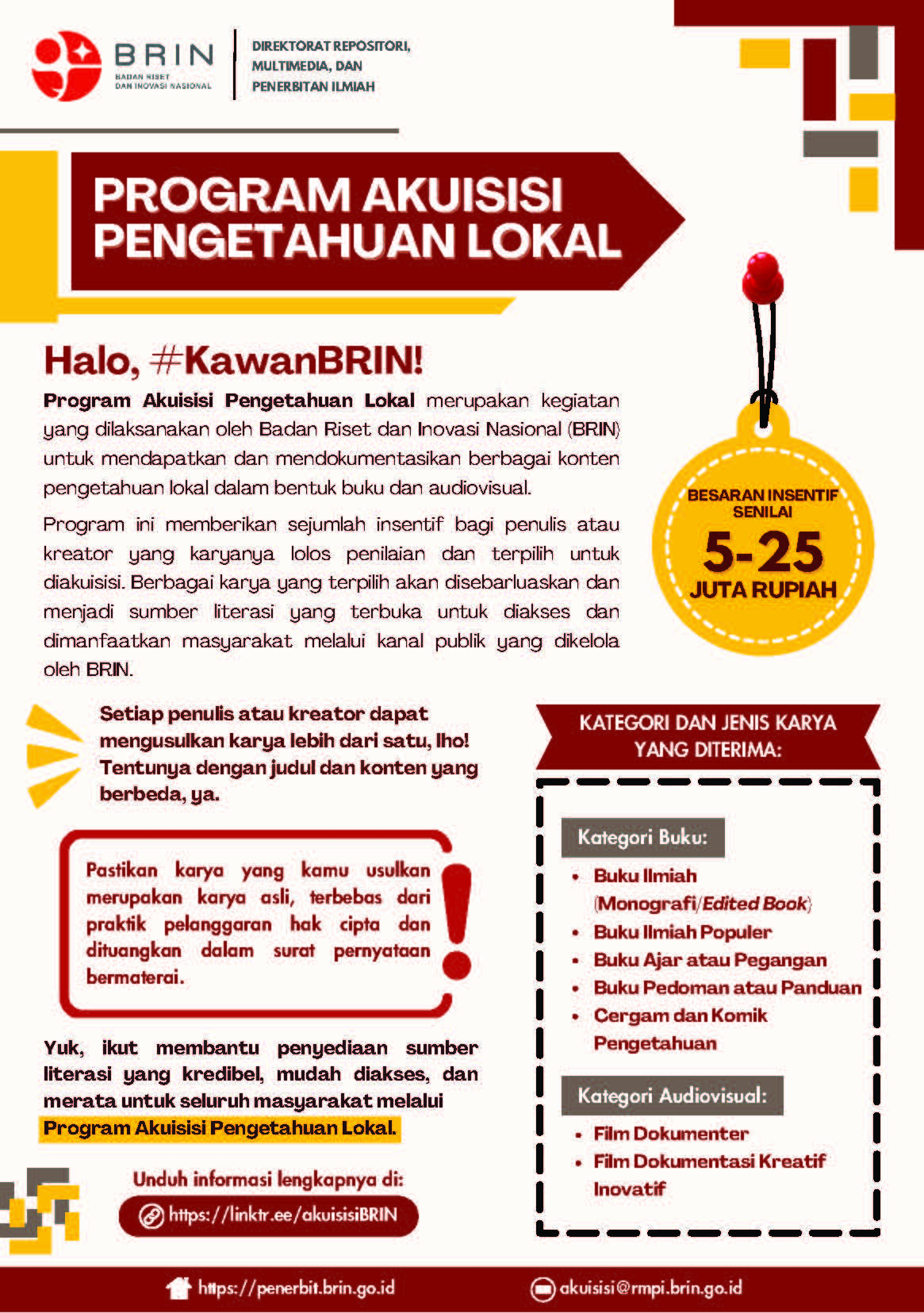
BRIN Publishing has a program named Akuisisi Pengetahuan Lokal that acquisition any of books or audiovisual content that meet our standard publication. The rights of BRIN Publishing is to disseminate and distribute all the content acquisitions for the public.
As an author you (or your employer or institution) may do the following:
All copies, print or electronic, or other use of the paper or article must include the appropriate bibliographic citation for the books