
















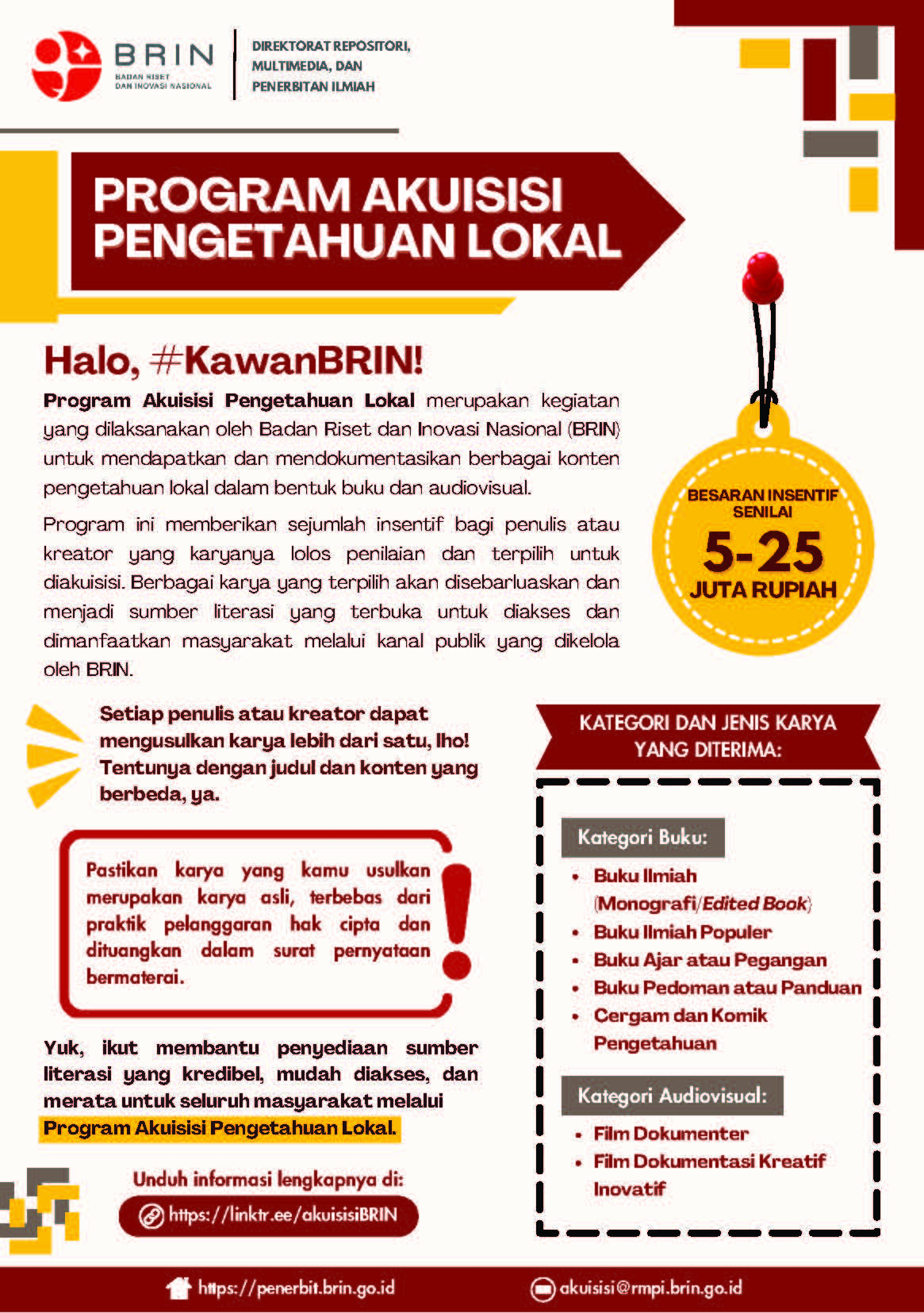










Buku ini membahas urgensi audit karbon dalam mendorong transparansi dan akuntabilitas pelaporan emisi karbon di tengah krisis iklim global. Seiring dengan meningkatnya tuntutan pemangku kepentingan terhadap akurasi data emisi, audit karbon berkembang dari sekadar formalitas administratif menjadi instrumen strategis dalam memastikan keandalan pelaporan keberlanjutan. Buku ini menyajikan pembahasan komprehensif mengenai evolusi regulasi internasional seperti IFRS S1 dan S2, standar pelaporan ESG, serta instrumen kebijakan global seperti Paris Agreement dan Kyoto Protocol. Selain itu, dikaji pula metodologi audit karbon, tantangan verifikasi emisi, terutama Scope 3, dan pemanfaatan teknologi digital seperti blockchain dan Internet of Things (IoT) untuk meningkatkan efisiensi dan kredibilitas pelaporan. Perspektif ekonomi dan sosial juga dibahas guna menekankan pentingnya audit karbon dalam membangun kepercayaan publik dan menarik investasi berkelanjutan. Buku ini juga mengulas praktik audit karbon di sektor publik, termasuk kerangka kerja audit keberlanjutan oleh institusi pemeriksa negara. Dengan pendekatan multidisiplin dan berorientasi solusi, buku ini menjadi referensi penting bagi akademisi, praktisi, regulator, serta pemangku kepentingan dalam mewujudkan tata kelola karbon yang lebih bertanggung jawab dan berdampak nyata.
Abdolmohammadi, M. J., & Tucker, R. R. (2002). The influence of accounting and auditing on a country’s economic development. Review of Accounting and Finance, 1(3), 42–53. https://doi.org/10.1108/eb026990
Adagba, D. T., & Shakpande, C. (2017). Effect of environmental factors on business performance. Nigeria Journal of Management Sciences, 6(1), 16–23.
Adedoyin, F. F., Agboola, P. O., Ozturk, I., Bekun, F. V., & Agboola, M. O. (2021). Environmental consequences of economic complexities in the EU amidst a booming tourism industry: Accounting for the role of Brexit and other crisis events. Journal of Cleaner Production, 305, Article 127117. https://doi.org/10.1016/j.jclepro.2021.127117
Alqahtani, A. S. H. (2023). Application of artificial intelligence in carbon accounting and firm performance: A review using qualitative analysis. International Journal of Experimental Research and Review, 35, 138–148. https://doi.org/10.52756/ijerr.2023.v35spl.013
Alwi, A., Sasongko, N. A., Suprapto, Suryana, Y., & Subagyo, H. (2024). Blockchain and big data integration design for traceability and carbon footprint management in the fishery supply chain. Egyptian Informatics Journal, 26, Article 100481. https://doi.org/10.1016/j.eij.2024.100481
Amato, R., Lacasa, L., Diaz-Guilera, A., & Baronchelli, A. (2018). The dynamics of norm change in the cultural evolution of language. Proceedings of the National Academy of Sciences, 115(33), 8260–8265. https://doi.org/10.1073/pnas.1721059115
Antonio, Y., & Kusuma, T. G. B. (2020). Evaluasi sustainability report pada perusahaan minyak kelapa sawit dalam mempromosikan sustainable palm oil untuk mencapai Sustainable Development Goals 2030. Jurnal Ilmiah Akuntansi Kesatuan, 8(1), 107–116. https://doi.org/10.37641/jiakes.v8i1.426
Arens, A. A., Elder, R. J., Beasley, M. S., & Hogan, C. E. (2017). Auditing and assurance services: An integrated approach (16th ed.). Pearson.
Ascui, F. (2014). A review of carbon accounting in the social and environmental accounting literature: What can it contribute to the debate? Social and Environmental Accountability Journal, 34(1), 6–28. https://doi.org/10.1080/0969160X.2013.870487
Badan Pusat Statistik. (2022). Emisi gas rumah kaca menurut jenis sektor (ribu ton CO₂e), 2000–2019 [Tabel Statistik]. BPS–Statistics Indonesia. https://www.bps.go.id/id/statistics-table/1/MjA3MiMx/emisi-gas-rumah-kaca-menurut-jenis-sektor--ribu-ton-co2e---2000-2019.html
Bai, M., Wang, W., & Li, Z. (2024). Private enterprises solution for fossil fuels transition: Role of ESG and carbon reporting. Resources Policy, 99, Article 105407. https://doi.org/10.1016/j.resourpol.2024.105407
Batjes, N. H., Ceschia, E., Heuvelink, G. B. M., Demenois, J., le Maire, G., Cardinael, R., Arias-Navarro, C., & van Egmond, F. (2024). Towards a modular, multi-ecosystem Monitoring, Reporting and Verification (MRV) framework for soil organic carbon stock change assessment. Carbon Management, 15(1), 1–25. https://doi.org/10.1080/17583004.2024.2410812
Baum, H., & Kling, T. (2004). The transparent leader: How to build a great company through straight talk, openness, and accountability. HarperCollins.
Benito, A., & Alonso, G. (2018). Energy efficiency and the environment. Dalam Energy efficiency in air transportation (153–199). Elsevier. https://doi.org/10.1016/b978-0-12-812581-6.00009-0
Blumer, H. (1969). Symbolic interactionism: Perspective and method. University of California Press.
Böning, J., Di Nino, V., & Folger, T. (2023). Benefits and costs of the ETS in the EU, a lesson learned for the CBAM Design (SSRN Scholarly Paper No. 4335984). https://doi.org/10.2139/ssrn.4335984
Bosu, I., Mahmoud, H., & Hassan, H. (2023). Energy audit and management of an industrial site based on energy efficiency, economic, and environmental analysis. Applied Energy, 333, Article 120619. https://doi.org/10.1016/j.apenergy.2022.120619
Boumaiza, A., & Maher, K. (2024). Harnessing blockchain and IoT for carbon credit exchange to achieve pollution reduction goals. Energies, 17(19), 1–12. https://doi.org/10.3390/en17194811
Brummitt, C. D., Mathers, C. A., Keating, R. A., O’Leary, K., Easter, M., Friedl, M. A., DuBuisson, M., Campbell, E. E., Pape, R., Peters, S. J. W., & Kumar, A. A. (2024). Solutions and insights for agricultural monitoring, reporting, and verification (MRV) from three consecutive issuances of soil carbon credits. Journal of Environmental Management, 369, Article 122284. https://doi.org/10.1016/j.jenvman.2024.122284
Cahyaningrum, N. D., & Violita, E. S. (2023). Evaluasi tingkat pengungkapan laporan keberlanjutan (Studi kasus pada perusahaan peleburan tembaga). Owner, 7(4), 3243–3254. https://doi.org/10.33395/owner.v7i4.1642
California Air Resources Board. (2019). California’s cap-and-trade program.
Carroll, A. B. (1999). Corporate social responsibility: Evolution of a definitional construct. Business & Society, 38(3), 268–295. https://doi.org/10.1177/000765039903800303
Chandra, B. A., & Shauki, E. R. (2024). Evaluasi pengungkapan laporan keberlanjutan berdasarkan GRI framework pada PT. Bank Syariah Indonesia. Owner, 8(2), 1786–1796. https://doi.org/10.33395/owner.v8i2.2059
Chen, J., Liu, Q., & Yan, Y. (2022). The impact of institutional investors on ESG: Evidence from China. Proceedings of the 2022 7th International Conference on Financial Innovation and Economic Development (ICFIED 2022), 648, 389–396. https://doi.org/10.1111/acfi.13011
Chen, Y., & Fan, C. (2018). The impact of auditor quality on audit quality: Evidence from China based on data from 2014-2016. Journal of Finance Research, 2(3), 100–107.
Christiansen, K. L. (2024). Relegitimising the voluntary carbon market: Visions of digital monitoring, reporting and verification. Environment and Planning A: Economy and Space. https://doi.org/10.1177/0308518X241278937
Chung, J., & Cho, C. H. (2018). Current trends within social and environmental accounting research: A literature review. Accounting Perspectives, 17(2), 207–239. https://doi.org/10.1111/1911-3838.12171
Court of Appeal of The Hague. (2024, November 12). Shell Plc v. Milieudefensie et al. ECLI:NL:GHDHA:2024:2100.
D-Carbonize. (n.d.). Carbon accounting: How much does it cost? https://d-carbonize.eu/cost/
Daidj, N. (2022). The digital transformation of auditing and the evolution of the internal audit (1st ed.). Routledge.
Delmas, M. A., & Burbano, V. C. (2011). The drivers of greenwashing. California Management Review, 54(1), 64–87. https://doi.org/10.1525/cmr.2011.54.1.64
Deloitte. (2024). Sustainability in public sectors: Reporting and auditing.
Ding, X., Chourou, L., & Ben-Amar, W. (2024). Carbon emissions and audit fees: Evidence from emerging markets. Emerging Markets Review, 60, Article 101153. https://doi.org/10.1016/j.ememar.2024.101153
District Court of The Hague. (2021, May 26). Milieudefensie et al. v. Royal Dutch Shell plc. ECLI:NL:RBDHA:2021:5339. https://www.climatecasechart.com/document/milieudefensie-et-al-v-royal-dutch-shell-plc_c3e4
Earnhart, D., & Harrington, D. R. (2021). Effects of audit frequency, audit quality, and facility age on environmental compliance. Applied Economics, 53(28), 3234–3252. https://doi.org/10.1080/00036846.2020.1854449
European Parliament and of the Council. (2019). Regulation (EU) 2019/2088 on sustainability‐related disclosures in the financial services sector (SFDR). Official Journal of the European Union. https://eur-lex.europa.eu/legal-content/EN/TXT/?uri=CELEX:32019R2088
European Parliament and of the Council. (2022). Directive (EU) 2022/2464 as regards corporate sustainability reporting (CSRD). Official Journal of the European Union, L 322, 15–80. https://eur-lex.europa.eu/eli/dir/2022/2464/oj/eng
European Parliament and of the Council . (2023). Reducing carbon emissions: EU targets and policies.
Fauziah, D. A., & Puspita, A. D. (2024). The impact of carbon disclosure and environmental charges on financial performance is affected by environmental performance as moderator. Jurnal Nominal, 13(2), 202–211.
Financial Stability Board. (2015). Phase I report: Recommendations of the Task Force on Climate-related Financial Disclosures.
Flower, J. (2015). The International Integrated Reporting Council: A story of failure. Critical Perspectives on Accounting, 27, 1–17. https://doi.org/10.1016/j.cpa.2014.07.002
Folajimi, A. F., Aguguom, T. A., Ajah, C. C., Busari, T. A., Desi, A., & Obasi, M. O. (2023). Corporate fraud, earnings management and firm value: Empirical application of M-scores. Journal of Law and Sustainable Development, 11(4), 1–26. https://doi.org/10.55908/sdgs.v11i4.612
Folkers, A. (2024). Risking carbon capital: Reporting infrastructures and the making of financial climate risks. Economy and Society, 53(3), 504–526. https://doi.org/10.1080/03085147.2024.2348316
Fu, H., Lei, Y., Zhang, S., Zhao, K., & Zhao, Y. (2024). Unravelling the carbon emissions compliance in sustainable supply chains: The impacts of carbon audit cooperation. Omega, 129, Article 103143. https://doi.org/10.1016/j.omega.2024.103143
Gan, C., Yu, J., Zhao, W., & Fan, Y. (2023). Big data industry development and carbon dioxide emissions: A quasi-natural experiment. Journal of Cleaner Production, 422, Article 138590. https://doi.org/10.1016/j.jclepro.2023.138590
Genç, K. Y. (2013). Natural environment as a strategic issue for firms: Theoretical perspectives. Procedia - Social and Behavioral Sciences, 99, 143–153. https://doi.org/10.1016/j.sbspro.2013.10.480
Global Reporting Initiative. (2023). Who we are: Vision, mission and history. https://www.globalreporting.org/about-gri/vision-mission-and-history/
Graham, B. (1976). The intelligent investor (4th ed.). HarperBusiness Essentials.
Gray, R., Adams, C. A., & Owen, D. (2014). Accountability, social responsibility and sustainability. Pearson Education Limited.
Gutterman, A. S. (2024). Sustainability reporting frameworks, standards, instruments, and regulations (SSRN Scholarly Paper). https://doi.org/10.2139/ssrn.4716752
Hahn, R., & Kühnen, M. (2013). Determinants of sustainability reporting: A review of results, trends, theory, and opportunities in an expanding field of research. Journal of Cleaner Production, 59, 5–21.
Han, Y. G., Huang, H. W., Liu, W. P., & Hsu, Y. L. (2023). Firm-value effects of carbon emissions and carbon disclosures: Evidence from Taiwan. Accounting Horizons, 37(3), 171–191. https://doi.org/10.2308/HORIZONS-18-164R
Hapsari, M. D. (2023). Analisis penerapan laporan keberlanjutan (sustainability report) terhadap nilai perusahaan. Akuntansi 45, 4(1), 65–72. https://doi.org/10.30640/akuntansi45.v4i1.724
Hettler, M., & Graf-Vlachy, L. (2024). Corporate scope 3 carbon emission reporting as an enabler of supply chain decarbonization: A systematic review and comprehensive research agenda. Business Strategy and the Environment, 33(2), 263–282. https://doi.org/10.1002/bse.3486
Hirawan, Z., & Dinarwati, S. (2022). Efektivitas program Corporate Social Responsibility (CSR) di PT Tirta Investama Aqua Subang Kecamatan Cisalak. Kolaborasi: Jurnal Administrasi Publik, 8(2), 180–191. https://doi.org/10.26618/kjap.v8i2.8298
Ikatan Akuntan Indonesia. (2025, August 12). Standar baru IAI perkuat posisi Indonesia di panggung keberlanjutan global. https://web.iaiglobal.or.id/Berita-IAI/detail/standar_baru_iai_perkuat_posisi_indonesia_di_panggung_keberlanjutan_globa
International Energy Agency. (2022). A roadmap to a net zero energy sector for Indonesia. https://www.iea.org/reports/an-energy-sector-roadmap-to-net-zero-emissions-in-indonesia
International Integrated Reporting Council (IIRC). (2013). The international integrated reporting framework.
Intergovernmental Panel on Climate Change. (2006). 2006 IPCC guidelines for national greenhouse gas inventories. Volume 4: Agriculture, forestry and other land use.
International Public Sector Accounting Standards Board. (2023). Reporting sustainability program information—Amendments to RPGs 1 and 3: Additional non-authoritative guidance. International Federation of Accountants.
International Sustainability Standards Board. (2023a). IFRS S1: General requirements for disclosure of sustainability-related financial information. IFRS Foundation.
International Sustainability Standards Board. (2023b). IFRS S2: Climate-related disclosures. IFRS Foundation.
INTOSAI Development Initiative. (2024). IDI’s SDGs audit model (ISAM)
INTOSAI. (2019). GUID 5202: Sustainable development — The role of Supreme Audit Institutions.
INTOSAI. (2019). Sustainable development: The role of Supreme Audit Institutions.
Jensen, M. C., & Meckling, W. H. (1976). Theory of the firm: Managerial behavior, agency costs and ownership structure. Journal of Financial Economics, 3(4), 305–360. https://doi.org/10.1016/0304-405X(76)90026-X
Jing, G., Qingxian, G., Jianyu, Z., Changbo, Z., Xiangzhao, F., Bing, L., & Jingjie, Z. (2023). China’s policies and actions on carbon peaking and carbon neutrality. http://www.prcee.org/yjcg/yjbg/202403/W020240313623895148361.pdf
Julia Lingga, L., Yuana, M., Aulia Sari, N., Nur Syahida, H., & Sitorus, C. (2024). Sampah di Indonesia: Tantangan dan solusi menuju perubahan positif. Innovative: Journal Of Social Science Research, 4(1), 12235–12247.
Julian, A., Karthick, S., Chandrakishore, T., & Chandramohan, A. (2023). CO2 emission rating by vehicles using data science [Conference paper]. 2023 2nd International Conference for Innovation in Technology (INOCON).
KBBI. (2016a). Independen. Dalam Kamus Besar Bahasa Indonesia. Badan Pengembangan dan Pembinaan Bahasa, Kementerian Pendidikan Dasar dan Menengah Republik Indonesia. https://kbbi.kemendikdasmen.go.id/entri/independen
KBBI. (2016b). Kepercayaan. Dalam Kamus Besar Bahasa Indonesia. Badan Pengembangan dan Pembinaan Bahasa, Kementerian Pendidikan Dasar dan Menengah Republik Indonesia. https://kbbi.kemendikdasmen.go.id/entri/kepercayaan
KBBI. (2016c). Publik. Dalam Kamus Besar Bahasa Indonesia. Badan Pengembangan dan Pembinaan Bahasa, Kementerian Pendidikan Dasar dan Menengah Republik Indonesia. https://kbbi.kemendikdasmen.go.id/entri/publik
Kementerian Lingkungan Hidup dan Kehutanan. (2016). Indonesia menandatangani Perjanjian Paris tentang perubahan iklim [Siaran Pers].
Khan, M., Serafeim, G., & Yoon, A. (2016). Corporate sustainability: First evidence on materiality. The Accounting Review, 91(6), 1697–1724. https://doi.org/10.2308/accr-51383
Khechen, M. (2013). Social justice: Concepts, principles, tools and challenges. Economic and Social Commission for Western Asia (ESCWA).
Komisi Eropa. (2023). Mengurangi emisi karbon: Target dan ukuran Uni Eropa.
KPMG International. (2024). Why the public sector must take the lead in sustainability reporting. https://doi.org/10.1017/9781009325844.001.5
KPMG International. (2012). Expect the unexpected: Building business value in a changing world
Kristando, L. M., & Indarwati, T. A. (2021). Pengaruh kesadaran lingkungan dan shared value corporate social responsibility terhadap niat beli ulang KFC Indonesia. Jurnal Muara Ilmu Ekonomi dan Bisnis, 5(1), 134. https://doi.org/10.24912/jmieb.v5i1.9340
Larrinaga, C., & Bebbington, J. (2021). The pre-history of sustainability reporting: A constructivist reading. Accounting, Auditing & Accountability Journal, 34(9), 131–150. https://doi.org/10.1108/AAAJ-03-2017-2872
Lasa, V. P. T., & Mustafa, M. H. (2023). The effect of financial performance on stock returns in consumer goods sector companies listed on the Indonesia Stock Exchange for the 2016-2021 period. International Journal of Social Service and Research, 3(8), 1939–1951. https://doi.org/10.46799/ijssr.v3i8.471
Leny, M. M. (2019). Hubungan verifikasi laporan keuangan terhadap tindakan suap pada usaha kecil dan menengah. International Journal of Social Science and Business, 3(4), 481–486. https://doi.org/10.23887/ijssb.v3i4.21644
Li, W., Li, W., Seppänen, V., & Koivumäki, T. (2022). How and when does perceived greenwashing affect employees’ job performance? Evidence from China. Corporate Social Responsibility and Environmental Management, 29(5), 1722–1735. https://doi.org/10.1002/csr.2321
Li, Y., Gong, M., Zhang, X., & Koh, L. (2018). The impact of environmental, social, and governance disclosure on firm value: The role of CEO power. British Accounting Review, 50(1), 60–75. https://doi.org/10.1016/j.bar.2017.09.007
Liu, J. B., Liu, B. R., & Lee, C. C. (2024). Efficiency evaluation of China’s transportation system considering carbon emissions: Evidence from big data analytics methods. Science of the Total Environment, 922, Article 171031. https://doi.org/10.1016/j.scitotenv.2024.171031
Liu, Z., Geng, Y., Dai, H., & Wilson, J. (2018). Regional impacts of launching national carbon emissions trading market: A case study of Shanghai. Applied Energy, 230, 232–240. https://doi.org/10.1016/j.apenergy.2018.08.117
Luo, Y., Shen, J., Liang, H., Sun, L., & Dong, L. (2024). Supporting building life cycle carbon monitoring, reporting and verification: A traceable and immutable blockchain-empowered information management system and application in Hong Kong. Resources, Conservation and Recycling, 208, Article 107736. https://doi.org/10.1016/j.resconrec.2024.107736
Lynch, P. (1989). One up on Wall Street. Simon & Schuster Paperbacks.
Markham, D., Khare, A., & Beckman, T. (2014). Greenwashing: A proposal to restrict its spread. Journal of Environmental Assessment Policy and Management, 16(4), Article 1450030.
Meilani, H. (2024). Upaya dekarbonisasi sektor industri. Pusat Strategi Kebijakan Kewilayahan.
Muktadir-Al-Mukit, D., & Bhaiyat, F. H. (2024). Impact of corporate governance diversity on carbon emission under environmental policy via the mandatory nonfinancial reporting regulation. Business Strategy and the Environment, 33(2), 1397–1417. https://doi.org/10.1002/bse.3555
Musgrave, R. A. (1959). The theory of public finance: A study in public economy. McGraw-Hill.
Nakamoto, S. (2008). Bitcoin: A peer-to-peer electronic cash system. Bitcoin.org. https://bitcoin.org/bitcoin.pdf
Nasution, A. (2009). Auditing climate change: The Indonesian perspective. Badan Pemeriksa Keuangan Republik Indonesia.
Nešović, D., & Jerotijević, D. (2018). Role and importance of international agreements in regulating international relations in modern conditions. Ekonomika, 64(3), 89–102. https://doi.org/10.5937/ekonomika1803089n
Nielsen, J. A. E., Stavrianakis, K., & Morrison, Z. (2022). Community acceptance and social impacts of carbon capture, utilization and storage projects: A systematic meta-narrative literature review. PLoS ONE, 17(8), Article e0272251. https://doi.org/10.1371/journal.pone.0272251
Niktaba, A., & Aslani, A. (2015). The effect of audit evidence on the auditor’s report. International Journal of Accounting Research, 2(6), 62–66. https://doi.org/10.12816/0014610
Nwankwo, C. F. (2018). Global climate regime: The challenges from Kyoto Protocol to Paris Agreement. Energy Today. https://www.energytoday.net/economics-policy/global-climate-regime-the-challenges-from-kyoto-protocol-to-paris-agreement/
Ocak, M. (2018). The impact of auditor education level on the relationship between auditor busyness and audit quality in Turkey. Cogent Business & Management, 5(1), Article 1517588. https://doi.org/10.1080/23311975.2018.1517588
Ogbeide, I. E., Okaiwele, I. M., & Ken-Otokiti, D. (2018). Auditor independence and audit quality. Journal of Accounting, Auditing & Finance, 2(1), 152–173. https://doi.org/10.1177/0148558x14544505
Olson, E. G. (2010). Challenges and opportunities from greenhouse gas emissions reporting and independent auditing. Managerial Auditing Journal, 25(9), 934–942. https://doi.org/10.1108/02686901011080071
Ozili, P. (2021). Sustainability accounting (SSRN Scholarly Paper). https://doi.org/10.2139/ssrn.3803384
Parhamfar, M., Sadeghkhani, I., & Adeli, A. M. (2024). Towards the net zero carbon future: A review of blockchain-enabled peer-to-peer carbon trading. Energy Science & Engineering, 12(3), 1242–1264. https://doi.org/10.1002/ese3.1697
Porter, B., Simon, J., & Hatherly, D. (2014). Principles of external auditing. John Wiley & Sons.
Qader, K. S., & Cek, K. (2024). Influence of blockchain and artificial intelligence on audit quality: Evidence from Turkey. Heliyon, 10(11), Article e30166. https://doi.org/10.1016/j.heliyon.2024.e30166
Qian, W., Tilt, C., & Belal, A. (2021). Social and environmental accounting in developing countries: Contextual challenges and insights. Accounting, Auditing & Accountability Journal, 34(5), 1021–1050. https://doi.org/10.1108/AAAJ-03-2021-5172
Rangkuti, K., & Anky, W. A. K. (2023). Masa depan nilai ekonomi karbon di Indonesia: Kondisi terkini dan langkah-langkah selanjutnya. Economic Brief, 1–18.
Rauf, F., Wanqiu, W., Naveed, K., & Zhang, Y. (2024). Green R&D investment, ESG reporting, and corporate green innovation performance. PLoS ONE, 19(3), Article e0296721. https://doi.org/10.1371/journal.pone.0296721
Rogers, E. M. (2003). Diffusion of innovations (5th ed.). Free Press.
S&P Dow Jones Indices. (2019). The benchmark that changed the world: Celebrating 20 years of the Dow Jones Sustainability Indices. https://www.spglobal.com/spdji/en/education/article/the-benchmark-that-changed-the-world-celebrating-20-years-of-the-dow-jones-sustainability-indices/
Sadawi, A. Al, Madani, B., Saboor, S., Ndiaye, M., & Abu-Lebdeh, G. (2021). A comprehensive hierarchical blockchain system for carbon emission trading utilizing blockchain of things and smart contract. Technological Forecasting and Social Change, 173, Article 121124. https://doi.org/10.1016/j.techfore.2021.121124
Samuel, M. (2001). The accountability revolution: Achieve breakthrough results in half the time (2nd ed.). Facts on Demand Press.
Saputra, K. A. K., Subroto, B., Rahman, A. F., & Saraswati, E. (2022). Eco-efficiency and energy audit to improve environmental performance: An empirical study of hotels in Bali-Indonesia. International Journal of Energy Economics and Policy, 12(6), 175–182. https://doi.org/10.32479/ijeep.13565
Sari, R., & Muslim, M. (2023). Accountability and transparency in public sector accounting: A systematic review. Amkop Management Accounting Review (AMAR), 3(2), 90–106. https://doi.org/10.37531/amar.v3i2.1440
Shang, Y., Yang, Q., Pu, Y., & Taghizadeh-Hesary, F. (2024). Employing artificial intelligence and enhancing resource efficiency to achieve carbon neutrality. Resources Policy, 88, Article 104510. https://doi.org/10.1016/j.resourpol.2023.104510
Shen, Y., Su, Z. W., Huang, G., Khalid, F., Farooq, M. B., & Akram, R. (2020). Firm market value relevance of carbon reduction targets, external carbon assurance and carbon communication. Carbon Management, 11(6), 549–563. https://doi.org/10.1080/17583004.2020.1833370
Singh, J., & Sirdeshmukh, D. (2000). Agency and trust mechanisms in consumer satisfaction and loyalty judgments. Journal of the Academy of Marketing Science, 28(1), 150–167. https://doi.org/10.1177/0092070300281014
Sri Suryani, A. (2024). Implementation potential and challenges of carbon capture and storage in Indonesia. Info Singkat, XVI(1), 13–18.
Su, M., Zhao, R., Jiang, J., Zhao, J., Wang, M., Zha, D., & Li, C. (2024). A blockchain system supporting cross-border data protection and consistency verification in unified global carbon emissions trading framework. Journal of Cleaner Production, 448, Article 141693. https://doi.org/10.1016/j.jclepro.2024.141693
Sun, B., Chen, S., Fang, X., Zhou, J., Zhang, X., & Zheng, T. (2023). Carbon emission accounting method of terminal energy based on big data technology. Dalam 2023 4th International Conference on Smart Grid and Energy Engineering (SGEE) (hlm. 401–404). IEEE. https://doi.org/10.1109/SGEE60678.2023.10481729
Sun, M., & Zhang, J. (2020). Research on the application of blockchain big data platform in the construction of new smart city for low carbon emission and green environment. Computer Communications, 149, 332–342. https://doi.org/10.1016/j.comcom.2019.10.031
Syam, M. A., Djaddang, S., Adam, A., Merawati, E. E., & Roziq, M. (2024). Carbon accounting: Its implications on accounting practices and corporate sustainability reports. International Journal of Economics and Financial Issues, 14(4), 178–187. https://doi.org/10.32479/ijefi.16333
Taherzadeh-Shalmaei, N., Rafiee, M., Kaab, A., Khanali, M., Vaziri Rad, M. A., & Kasaeian, A. (2023). Energy audit and management of environmental GHG emissions based on multi-objective genetic algorithm and data envelopment analysis: An agriculture case. Energy Reports, 10, 1507–1520. https://doi.org/10.1016/j.egyr.2023.08.020
Tahir, R., Athar, M. R., & Afzal, A. (2020). The impact of greenwashing practices on green employee behaviour: Mediating role of employee value orientation and green psychological climate. Cogent Business & Management, 7(1), Article 1781996. https://doi.org/10.1080/23311975.2020.1781996
Tang, Q., & Luo, L. (2012). Transparency of corporate carbon disclosure: International evidence (SSRN Scholarly Paper). https://doi.org/10.2139/ssrn.1885230
Tapscott, D., & Tapscott, A. (2016). Blockchain revolution: How the technology behind Bitcoin is changing money, business, and the world. Penguin Random House.
Taurisianti, M. M., & Kurniawati, E. P. (2016). Perlakuan akuntansi karbon di Indonesia. Jurnal Ekonomi dan Bisnis, 17(2), 81–105. https://doi.org/10.24914/jeb.v17i2.273
Tavares, M. C., & Vale, J. (2024). The intersection between accounting, sustainability, and AI: A bibliometric analysis. Dalam Artificial Intelligence Approaches to Sustainable Accounting (hlm. 1–25). IGI Global. https://doi.org/10.4018/979-8-3693-0847-9.ch001
TCFD. (2021). Implementing the recommendations of the Task Force on Climate-related Financial Disclosures.
Tian, X., Bai, F., Jia, J., Liu, Y., & Shi, F. (2019). Realizing low-carbon development in a developing and industrializing region: Impacts of industrial structure change on CO2 emissions in southwest China. Journal of Environmental Management, 233, 728–738. https://doi.org/10.1016/j.jenvman.2018.12.088
Townsend, B. (2020). From SRI to ESG: The origins of socially responsible and sustainable investing. The Journal of Impact and ESG Investing, 1(1), 10–25. https://doi.org/10.3905/jesg.2020.1.1.010
Tseng, C. J., & Lin, S. Y. (2024). Role of artificial intelligence in carbon cost reduction of firms. Journal of Cleaner Production, 447, Article 141413. https://doi.org/10.1016/j.jclepro.2024.141413
United Nations Framework Convention on Climate Change (UNFCCC). (1997). Kyoto Protocol to the United Nations Framework Convention on Climate Change.
United Nations Framework Convention on Climate Change (UNFCCC). (2015). Paris Agreement.
United Nations Framework Convention on Climate Change (UNFCCC). (2022). Enhanced nationally determined contribution of the Republic of Indonesia.
United States Department of State & United States Executive Office of the President. (2021). The long-term strategy of the United States: Pathways to net-zero greenhouse gas emissions by 2050. https://www.whitehouse.gov/wp-content/uploads/2021/10/US-Long-Term-Strategy.pdf
Vlist, A. J. van der, & Folmer, H. (2009). Environmental technology and management in Dutch horticulture. International Journal of Environmental Technology and Management, 11(1/2/3), 118–132. https://doi.org/10.1504/IJETM.2009.023689
Wagenhofer, A. (2024). Sustainability reporting: A financial reporting perspective. Accounting in Europe, 21(1), 1–13. https://doi.org/10.1080/17449480.2023.2218398
Wang, H., Wang, X., Yin, Y., Deng, X., & Umair, M. (2024). Evaluation of urban transportation carbon footprint: Artificial intelligence based solution. Transportation Research Part D: Transport and Environment, 136, Article 104406. https://doi.org/10.1016/j.trd.2024.104406
Wang, S., Tan, S., & Xu, J. (2023). Evaluation and implication of the policies towards China’s carbon neutrality. Sustainability, 15(8), Article 6762. https://doi.org/10.3390/su15086762
Wiloso, E. I., Nazir, N., Hanafi, J., Siregar, K., Harsono, S. S., Setiawan, A. A. R., Muryanto, Romli, M., Utama, N. A., Shantiko, B., Jupesta, J., Utomo, T. H. A., Sari, A. A., Saputra, S. Y., & Fang, K. (2019). Life cycle assessment research and application in Indonesia. The International Journal of Life Cycle Assessment, 24(3), 386–396. https://doi.org/10.1007/s11367-018-1459-3
World Bank. (2023). State and Trends of Carbon Pricing 2023. Washington, DC: World Bank. https://doi.org/10.1596/978-1-4648-2006-9
Xiong, L., Shu, Y., & Li, X. (2024). Evaluating the effect of the accountability audit of natural resources on carbon emissions reduction in China. Frontiers in Environmental Science, 12, Article 1342321. https://doi.org/10.3389/fenvs.2024.1342321
Yaga, D., Mell, P., Roby, N., & Scarfone, K. (2018). Blockchain technology overview (NIST Internal Report 8202). National Institute of Standards and Technology. https://doi.org/10.6028/NIST.IR.8202
Yan, Y. (2024). The development of sustainability accounting globally [Doctoral dissertation, University of Windsor].
Yang, S., Wang, J., Dong, K., Dong, X., Wang, K., & Fu, X. (2024). Is artificial intelligence technology innovation a recipe for low-carbon energy transition? A global perspective. Energy, 300, Article 131539. https://doi.org/10.1016/j.energy.2024.131539
Yang, Z., Nguyen, T. T. H., Nguyen, H. N., Nguyen, T. T. N., & Cao, T. T. (2020). Greenwashing behaviours: Causes, taxonomy and consequences based on a systematic literature review. Journal of Business Economics and Management, 21(5), 1486–1507. https://doi.org/10.3846/jbem.2020.13225
Yao, Z., Liu, C., Wang, F., & Liu, L. (2023). Enterprise carbon emission evaluation model based on big data. Dalam 2023 11th IEEE Joint International Information Technology and Artificial Intelligence Conference (ITAIC) (hlm. 797–801). IEEE. https://doi.org/10.1109/ITAIC58329.2023.10409020
Yoro, M. (2024). Impact of financial reporting transparency on investor decision-making. American Journal of Accounting, 6(1), 25–36. https://doi.org/10.47672/ajacc.1785
Zahid, R. M. A., Khan, M. K., Anwar, W., & Maqsood, U. S. (2022). The role of audit quality in the ESG-corporate financial performance nexus: Empirical evidence from Western European companies. Borsa Istanbul Review, 22, S200–S212. https://doi.org/10.1016/j.bir.2022.08.011
Zhang, C., & Zhao, W. (2014). Panel estimation for income inequality and CO2 emissions: A regional analysis in China. Applied Energy, 136, 382–392. https://doi.org/10.1016/j.apenergy.2014.09.052
Zhang, H.-B., Dai, H.-C., Lai, H.-X., & Wang, W.-T. (2017). U.S. withdrawal from the Paris Agreement: Reasons, impacts, and China’s response. Advances in Climate Change Research, 8(4), 220–225. https://doi.org/10.1016/j.accre.2017.09.002
Zhang, J., Ouyang, Y., Ballesteros-Pérez, P., Li, H., Philbin, S. P., Li, Z., & Skitmore, M. (2021). Understanding the impact of environmental regulations on green technology innovation efficiency in the construction industry. Sustainable Cities and Society, 65, Article 102647. https://doi.org/10.1016/j.scs.2020.102647
Zhang, Y., Gu, L., & Guo, X. (2019). Carbon audit evaluation system and its application in the iron and steel enterprises in China. Journal of Cleaner Production, 248, Article 119266. https://doi.org/10.1016/j.jclepro.2019.119266
Zhou, W., Zhu, J., & Zhang, C. (2024). Impact of corporate social responsibility on carbon emission reduction in supply chains. Chinese Management Studies, 18(2), 454–478. https://doi.org/10.1108/CMS-04-2022-0151

This work is licensed under a Creative Commons Attribution-NonCommercial-ShareAlike 4.0 International License.
This book that publish in BRIN Publishing is licensed under a Creative Commons Attribution Non-commercial Share Alike 4.0 International license (CC BY-NC-SA 4.0). This license permits you to share, copy, distribute and transmit the work for your personal use and non-commercial purposes, provided you provide appropriate attribution. Derivative works and modifications must use the same license. Detailed information regarding the CC-BY-NC-SA 4.0 license is available via the link: https://creativecommons.org/licenses/by-nc-sa/4.0/
BRIN Publishing has a program named Akuisisi Pengetahuan Lokal that acquisition any of books or audiovisual content that meet our standard publication. The rights of BRIN Publishing is to disseminate and distribute all the content acquisitions for the public.
As an author you (or your employer or institution) may do the following:
All copies, print or electronic, or other use of the paper or article must include the appropriate bibliographic citation for the books