
















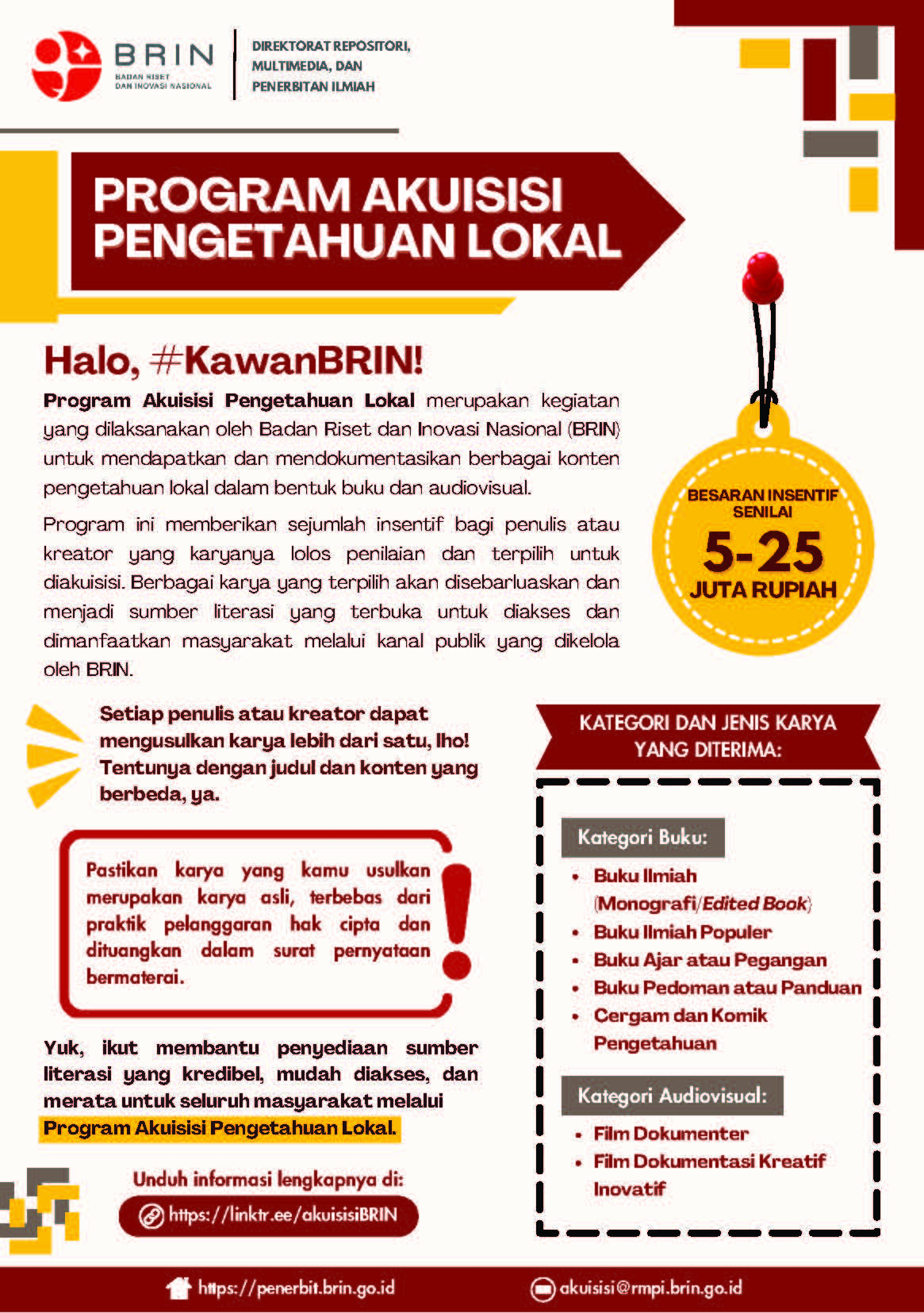










This book examines the practice of archaeology and cultural heritage management in Indonesia through a series of current case studies. While many groundbreaking archaeological discoveries have been made in this region in recent years, this book provides insights into how those discoveries, sites and artefacts are valued and managed by local communities, government officials and other stakeholders. Authors are both leading Indonesian archaeologists and non-Indonesian foreign researchers. The varied case studies provide insight into heritage practice, never published in English, and reveal the complexity of heritage and its relationship to research, community and national politics, indigeneity and colonialism. Suited for those interested in heritage management, community-based research and the practice of archaeology, from both academic and policy viewpoints, its focus on community engagement and tangible/intangible heritage integration offers innovative insights that will resonate with academics and practitioners alike. It is a benchmark reference for Southeast Asian archaeology and heritage studies.
Acabado, S. (2020). Current archaeological practice in Southeast Asia: Collaboration, engagement, and community involvement in field research in Southeast Asia. Journal of Community Archaeology & Heritage, 7(3), 158–160.
Acabado, S., & Martin, M. (2022). Indigenous archaeology in the Philippines: Decolonizing Ifugao history. University of Arizona Press.
Byrne, D. (2008). A critique of unfeeling heritage. In Intangible heritage (pp. 243–266). Routledge.
Cleere, H. (Ed.) (2005). Archaeological heritage management in the modern world (Vol. 9).
Psychology Press.
Fredheim, L. H. (2020). Decoupling ‘open’ and ‘ethical’ archaeologies: Rethinking deficits and expertise for ethical public participation in archaeology and heritage. Norwegian Archaeological Review, 53(1), 5–22.
Harrison, R. (2012). Heritage: Critical approaches. Routledge.
O’Keeffe, T. (2014). Heritage and archaeology. In C. Smith (Ed.), Encyclopedia of global archaeology. Springer.
Piphal, H., Sonetra, S., & Sotheavin, N. (2023). ‘Invisible Cambodians’: Knowledge production in the history of Angkorian archaeology. In The Angkorian world (pp. 42–63). Routledge.
Ririmasse, M., & Lape, P. (2021). Archaeology and heritage in the conflict zone: Lessons from the Moluccas. In Indigenous peoples, heritage and landscape in the Asia Pacific (pp. 125–138). Routledge.
Shoocongdej, R. (2011). Contemporary archaeology as a global dialogue: Reflections from Southeast Asia. In Comparative archaeologies: A sociological view of the science of the past (pp. 707–729). Springer New York.
Shoocongdej, R. (2023). Engaging communities through the knowledge transmission of archaeological heritage in Highland Pang Mapha, Northwest Thailand. Heritage and cultural heritage tourism: International perspectives (pp. 167–180). Springer International Publishing.
Smith, L. (2004). Archaeological theory and the politics of cultural heritage. Routledge.
Waterton, E., & Smith, L. (2009). There is no such thing as heritage. In Taking archaeology out of heritage (pp. 10–27).
This book that publish in BRIN Publishing is licensed under a Creative Commons Attribution Non-commercial Share Alike 4.0 International license (CC BY-NC-SA 4.0). This license permits you to share, copy, distribute and transmit the work for your personal use and non-commercial purposes, provided you provide appropriate attribution. Derivative works and modifications must use the same license. Detailed information regarding the CC-BY-NC-SA 4.0 license is available via the link: https://creativecommons.org/licenses/by-nc-sa/4.0/
BRIN Publishing has a program named Akuisisi Pengetahuan Lokal that acquisition any of books or audiovisual content that meet our standard publication. The rights of BRIN Publishing is to disseminate and distribute all the content acquisitions for the public.
As an author you (or your employer or institution) may do the following:
All copies, print or electronic, or other use of the paper or article must include the appropriate bibliographic citation for the books