


























"Discovering the Miracles of Stem Cells" offers an exhaustive exploration of stem cell research, underscoring the profound transformative potential of these cells across various medical and scientific domains. This scholarly work meticulously delineates the fundamental characteristics of stem cells, including their types, functions, and pivotal roles in tissue regeneration and therapeutic interventions. The text is thoughtfully structured into multiple chapters, each focusing on distinct applications and areas of research.
The opening chapter provides a detailed exposition of the culture techniques for mesenchymal stem cells (MSCs), crucial for advances in regenerative medicine. Subsequent chapters delve into the application of stem cells in orthopedics, showcasing their effectiveness in treating bone and cartilage disorders. Further discussions cover the use of MSCs in healing diabetic wounds, the advantages of MSC-conditioned mediums in combating skin aging, and a critical evaluation of the safety and efficacy of stem cells in managing acute myocardial infarction. A particular emphasis is placed on the potential of CD34+ hematopoietic stem cells in skin rejuvenation following UV exposure, supported by robust empirical research on animal models. Later sections explore the therapeutic implications of stem cells in neurological disorders, highlighting their utility in managing neurodegeneration and other cerebral conditions. Additionally, the book examines the ethical dimensions of stem cell research, advocating for stringent ethical standards to navigate the complex moral landscapes encountered in the use of stem cells for therapeutic purposes. It also addresses the unique opportunities and challenges associated with stem cell research and application in Indonesia, reflecting on the country-specific context that shapes these endeavors.
Overall, this text serves as a comprehensive resource that elucidates both the scientific and therapeutic dimensions of stem cells while addressing the ethical, regulatory, and practical challenges in the field. Designed to equip readers with a thorough understanding of how stem cells can be utilized to enhance health outcomes and treat a wide array of diseases, this book positions stem cell research as a beacon of hope within the medical and biotechnological domains, yet acknowledges the intricate ethical, technical, and regulatory challenges that must be navigated with precision and prudence.
Abdelhak, A., Foschi, M., Abu-Rumeileh, S., Yue, J. K., D’Anna, L., Huss, A., Oeckl, P., Ludolph, A. C., Kuhle, J., Petzold, A., Manley, G. T., Green, A. J., Otto, M., & Tumani, H. (2022). Blood GFAP as an emerging biomarker in brain and spinal cord disorders. Nature Reviews Neurology, 18(3), 158–172.
Aboody, K. S., Najbauer, J., Metz, M. Z., D’Apuzzo, M., Gutova, M., Annala, A. J., Synold, T. W., Couture, L. A., Blanchard, S., Moats, R. A., Garcia, E., Aramburo, S., Valenzuela, V. V., Frank, C., Barish, M. E., Brown, C. E., Kim, S. U., Badie, B., & Portnow, J. (2013). Neural stem cell-mediated enzyme/prodrug therapy for glioma: Preclinical studies. Science Translational Medicine, 5(184), 184ra59–184ra59.
Abubakar, M., Masood, M. F., Javed, I., Adil, H., Faraz, M. A., Bhat, R. R., Fatima, M., Abdelkhalek, A. M., Buccilli, B., & Raza, S. (2023). Unlocking the mysteries, bridging the gap, and unveiling the multifaceted potential of stem cell therapy for cardiac tissue regeneration: A narrative review of current literature, ethical challenges, and future perspectives. Cureus, 15(7), Article e41533. https://doi.org/10.7759/cureus.41533
Ager, R. R., Davis, J. L., Agazaryan, A., Benavente, F., Poon, W. W., LaFerla, F. M., & Blurton-Jones, M. (2015). Human neural stem cells improve cognition and promote synaptic growth in two complementary transgenic models of Alzheimer’s disease and neuronal loss. Hippocampus, 25(7), 813–826.
Ahangar, P., Mills, S. J., & Cowin, A. J. (2020). Mesenchymal stem cell secretome as an emerging cell-free alternative for improving wound repair. International Journal of Molecular Sciences, 21(19), Article 7038. https://doi.org/10.3390/ijms21197038
Akter, M., & Ding, B. (2022). Modeling movement disorders via generation of hipsc-derived motor neurons. Cells, 11(23), Article 3796. https://doi.org/10.3390/CELLS11233796
Al-Agele, R. A. A. (2023). Considering the safety of embryonic stem cells for medical use while ignoring any ethical concerns: A review. Diyala Journal for Veterinary Science, 1(1), 126–142. https://djvs.uodiyala.edu.iq/index.php/djvs/article/view/89
Alagesan, S., Brady, J., Byrnes, D., Fandiño, J., Masterson, C., McCarthy, S., Laffey, J., & O’Toole, D. (2022). Enhancement strategies for mesenchymal stem cells and related therapies. Stem Cell Research & Therapy, 13(1). https://doi.org/10.1186/s13287-022-02747-w
Alahmad, G., Aljohani, S., & Najjar, M. F. (2020). Ethical challenges regarding the use of stem cells: Interviews with researchers from Saudi Arabia. BMC Medical Ethics, 21(1), Article 35. https://doi.org/10.1186/s12910-020-00482-6
Alhaddad, M., Boen, M., Wu, D. C., & Goldman, M. P. (2019). Red deer umbilical cord lining mesenchymal stem cell extract cream for rejuvenation of the face. Journal of Drugs in Dermatology: JDD, 18(4), 363–366. https://pubmed.ncbi.nlm.nih.gov/31012565/
Ali, H., & Al-Mulla, F. (2012). Defining umbilical cord blood stem cells. Stem Cell Discovery, 2(1), 15–23. https://doi.org/10.4236/scd.2012.21003
Alijani-Ghazyani, Z., Sabzevari, R., Roushandeh, A. M., Jahanian-Najafabadi, A., Amiri, F., & Roudkenar, M. H. (2020). Transplantation of umbilical cord-derived mesenchymal stem cells overexpressing lipocalin 2 ameliorates ischemia-induced injury and reduces apoptotic death in a rat acute myocardial infarction model. Stem Cell Reviews and Reports, 16(5), 968–978. https://doi.org/10.1007/s12015-020-10007-8
Alinda, M. D., Christopher, P. M., Listiawan, M. Y., Endaryanto, A., Suroto, H., Rantam, F. A., Hendradi, E., Notobroto, H. B., & Prakoeswa, C. R. S. (2022). The efficacy of topical adipose mesenchymal stem cell-conditioned medium versus framycetin gauze dressing in chronic plantar ulcer of leprosy: A randomized controlled trial. Indian Journal of Dermatology, Venereology and Leprology, 89(5), 656–664. https://doi.org/10.25259/IJDVL_784_2021
Álvaro-Gracia, J. M., Jover, J. A., García-Vicuña, R., Carreño, L., Alonso, A., Marsal, S., Blanco, F., Martínez-Taboada, V. M., Taylor, P., Martín-Martín, C., DelaRosa, O., Tagarro, I., & Díaz-González, F. (2017). Intravenous administration of expanded allogeneic adipose-derived mesenchymal stem cells in refractory rheumatoid arthritis (Cx611): Results of a multicentre, dose escalation, randomised, single-blind, placebo-controlled phase Ib/IIa clinical trial. Annals of the Rheumatic Diseases, 76(1), 196–202.
Alwi, I. (2012). Perkembangan terapi sel punca (stem cell) pada penyakit jantung: Masa kini dan harapan masa depan. Medica Hospitalia, 1(2), 71–79.
Aly, R. M. (2020). Current state of stem cell-based therapies: An overview. Stem cell investigation, 7.
Amaro-Ortiz, A., Yan, B., & D’Orazio, J. A. (2014). Ultraviolet radiation, aging and the skin: Prevention of damage by topical cAMP manipulation. Molecules, 19(5), 6202–6219. https://doi.org/10.3390/molecules19056202
Amarya, S., Singh, K., & Sabharwal, M. (2018). Ageing process and physiological changes. In G. D’Onofrio, A. Greco, & D. Sancarlo (Eds.), Gerontology. https://doi.org/10.5772/intechopen.76249
Amin, N., Tan, X., Ren, Q., Zhu, N., Botchway, B. O. A., Hu, Z., & Fang, M. (2019). Recent advances of induced pluripotent stem cells application in neurodegenerative diseases. Progress in Neuropsychopharmacology & Biological Psychiatry, 95, 1–16. https://doi.org/10.1016/j.pnpbp.2019.109674
Amiri, F., Jahanian-Najafabadi, A., & Roudkenar, M. H. (2015). In vitro augmentation of mesenchymal stem cells viability in stressful microenvironments. Cell Stress & Chaperones, 20(2), 237–251. https://doi.org/10.1007/s12192-014-0560-1
Amirthalingam, M., Bhat, S., Dighe, P. A., & Seetharam, R. N. (2019). Human mesenchymal stromal cells-derived conditioned medium based formulation for advanced skin care: In vitro and in vivo evaluation. Journal of Stem Cells Research, Development & Therapy, 5, Article 012. https://doi.org/10.24966/SRDT-2060/100012
An, J., Yan, H., Li, X., Tan, R., Chen, X., Zhang, Z., Liu, Y., Zhang, P., Lu, H., & Liu, Y. (2017). The inhibiting effect of neural stem cells on proliferation and invasion of glioma cells. Oncotarget, 8(44), 76949.
Anderson, J. A., Little, D., Toth, A. P., Moorman III, C. T., Tucker, B. S., Ciccotti, M. G., & Guilak, F. (2014). Stem cell therapies for knee cartilage repair: The current status of preclinical and clinical studies. The American Journal of Sports Medicine, 42(9), 2253–2261.
Andrzejewska, A., Lukomska, B., & Janowski, M. (2019). Concise review: Mesenchymal stem cells: From roots to boost. Stem Cells, 37(7), 855–864. https://doi.org/10.1002/stem.3016
Aoi, T., Yae, K., Nakagawa, M., Ichisaka, T., Okita, K., Takahashi, K., Chiba, T., & Yamanaka, S. (2008). Generation of pluripotent stem cells from adult mouse liver and stomach cells. Science, 321, 699–702. https://doi.org/10.1126/SCIENCE.1154884
Armstrong, D. G., Boulton, A. J. M., & Bus, S. A. (2017). Diabetic foot ulcers and their recurrence. New England Journal of Medicine, 376(24), 2367–2375. https://doi.org/10.1056/nejmra1615439
Aronowitz, J. A., Lockhart, R. A., & Hakakian, C. S. (2015). Mechanical versus enzymatic isolation of stromal vascular fraction cells from adipose tissue. SpringerPlus, 4, Article 713. https://doi.org/10.1186/s40064-015-1509-2
Aryan, A., Bayat, M., Bonakdar, S., Taheri, S., Haghparast, N., Bagheri, M., Piryaei, A., & Abdollahifar, M.-A. (2018). Human bone marrow mesenchymal stem cell conditioned medium promotes wound healing in deep second-degree burns in male rats. Cells Tissues Organs, 206(6), 317–329. https://doi.org/10.1159/000501651
Assen, L. S., Jongsma, K. R., Isasi, R., Tryfonidou, M. A., & Bredenoord, A. L. (2021). Recognizing the ethical implications of stem cell research: A call for broadening the scope. Stem Cell Reports, 16(7), 1656–1661. https://doi.org/10.1016/j.stemcr.2021.05.021
Assen, L. S., Jongsma, K. R., Isasi, R., Tryfonidou, M. A., & Bredenoord, A. L. (2022). Roles and responsibilities in stem cell research: A focus group study with stem cell researchers and patients. Regenerative Medicine, 17(7), 445–459. https://doi.org/10.2217/rme-2022-0019
Assor, M. (2013). Transplantation of bone marrow stem cells stimulated by proteins scaffold to heal defects articular cartilage of the knee [Clinical trial]. CTV. https://ctv.veeva.com/study/transplantation-of-bone-marrow-stem-cells-stimulated-by-proteins-scaffold-to-heal-defects-articular
Avishai, E., Yeghiazaryan, K., & Golubnitschaja, O. (2017). Impaired wound healing: Facts and hypotheses for multi-professional considerations in predictive, preventive and personalised medicine. EPMA Journal, 8, 23–33. https://doi.org/10.1007/s13167-017-0081-y
Bacakova, L., Zarubova, J., Travnickova, M., Musilkova, J., Pajorova, J., Slepicka, P., Kasalkova, N. S., Svorcik, V., Kolska, Z., Motarjemi, H., & Molitor, M. (2018). Stem cells: their source, potency and use in regenerative therapies with focus on adipose-derived stem cells – A review. Biotechnology Advances, 36(4), 1111–1126. https://doi.org/10.1016/j.biotechadv.2018.03.011
Bagher, Z., Azami, M., Ebrahimi-barough, S., Mirzadeh, H., Solouk, A., Soleimani, M., Ai, J., Nourani, M., & Joghataei, M. (2015). Differentiation of wharton’s jelly-derived mesenchymal stem cells into motor neuron-like cells on three-dimensional collagen-grafted nanofibers. Molecular Neurobiology, 53(4), 2397–2408. https://doi.org/10.1007/s12035-015-9199-x
Bagno, L., Hatzistergos, K. E., Balkan, W., & Hare, J. M. (2018). Mesenchymal stem cell-based therapy for cardiovascular disease: Progress and challenges. Molecular Therapy, 26(7), 1610–1623. https://doi.org/10.1016/j.ymthe.2018.05.009
Bagó, J. R., Alfonso-Pecchio, A., Okolie, O., Dumitru, R., Rinkenbaugh, A., Baldwin, A. S., Miller, C. R., Magness, S. T., & Hingtgen, S. D. (2016). Therapeutically engineered induced neural stem cells are tumor-homing and inhibit progression of glioblastoma. Nature Communications, 7(1), Article 10593.
Bai, L., Li, D., Li, J., Luo, Z., Yu, S., Cao, S., Shen, L., Zuo, Z., & Ma, X. (2016). Bioactive molecules derived from umbilical cord mesenchymal stem cells. Acta Histochemica, 118(8), 761–769. https://doi.org/10.1016/j.acthis.2016.09.006
Bai, X. (2020). Stem cell-based disease modeling and cell therapy. Cells, 9(10), Article 2193. https://doi.org/10.3390/CELLS9102193
Balasubramanian, S., Thej, C., Walvekar, A., Swamynathan, P., Gupta, P. K., Seetharam, R. N., & Majumdar, A. S. (2017). Evaluation of the secretome profile and functional characteristics of human bone marrow mesenchymal stromal cells-derived conditioned medium suggest potential for skin rejuvenation. Journal of Cosmetics, Dermatological Sciences and Applications, 7(1), 99–117. https://doi.org/10.4236/jcdsa.2017.71010
Baldari, S., Di Rocco, G., Piccoli, M., Pozzobon, M., Muraca, M., & Toietta, G. (2017). Challenges and strategies for improving the regenerative effects of mesenchymal stromal cell-based therapies. International Journal of Molecular Sciences, 18(10), Article 2087. https://doi.org/10.3390/ijms18102087
Ballen, K., & Kurtzberg, J. (2021). Exploring new therapies for children with autism: “Do no harm” does not mean do not try. Stem Cells Translational Medicine, 10(6), 823–825.
Balogh, P., & Engelmann, P. (2011). Epigenetic factors in transdifferentiation. In P. Balogh, E. Peter, & R. Bognar (Eds.), Transdifferentiation and regenerative medicine. University of Pecs.
Bani Hamad, F. R., Rahat, N., Shankar, K., & Tsouklidis, N. (2021). Efficacy of stem cell application in diabetes mellitus: Promising future therapy for diabetes and its complications. Cureus, 13(2), Article e13563. https://doi.org/10.7759/cureus.13563
Barker, R. A., Parmar, M., Studer, L., & Takahashi, J. (2017). Human trials of stem cell-derived dopamine neurons for Parkinson’s disease: Dawn of a new era. Cell Stem Cell, 21(5), 569–573.
Bartolucci, J., Verdugo, F. J., González, P. L., Larrea, R. E., Abarzua, E., Goset, C., Rojo, P., Palma, I., Lamich, R., Pedreros, P. A., Valdivia, G., Lopez, V. M., Nazzal, C., Alcayaga-Miranda, F., Cuenca, J., Brobeck, M. J., Patel, A. N., Figueroa, F. E., & Khoury, M. (2017). Safety and efficacy of the intravenous infusion of umbilical cord mesenchymal stem cells in patients with heart failure: A phase 1/2 randomized controlled trial (RIMECARD trial). Circulation Research, 121(10), 1192–1204. https://doi.org/10.1161/CIRCRESAHA.117.310712
Bascones-Martinez, A., Mattila, R., Gomez-Font, R., & Meurman, J. H. (2014). Immunomodulatory drugs: Oral and systemic adverse effects. Medicina Oral, Patologia Oral y Cirugia Bucal, 19(1), 24–31. https://doi.org/10.4317/medoral.19087
Bashir, B., Butt, G., & Hussain, I. (2019). Stem cells for skin rejuvenation. Journal of Pakistan Association of Dermatologists, 29(2), 142–144.
Benito, N., Gaborieau, E., Diez, A. S., Kosar, S., Foucault, L., Raineteau, O., & De Saint Jan, D. (2018). A pool of postnatally generated interneurons persists in an immature stage in the olfactory bulb. Journal of Neuroscience, 38(46), 9870–9882.
Bernal, A., & Arranz, L. (2018). Nestin-expressing progenitor cells: Function, identity and therapeutic implications. Cellular and Molecular Life Sciences, 75, 2177–2195.
Berry, J. D., Cudkowicz, M. E., Windebank, A. J., Staff, N. P., Owegi, M., Nicholson, K., McKenna-Yasek, D., Levy, Y. S., Abramov, N., Kaspi, H., Mehra, M., Aricha, R., Gothelf, Y., & Brown, R. H. (2019). NurOwn, phase 2, randomized, clinical trial in patients with ALS: Safety, clinical, and biomarker results. Neurology, 93(24), e2294–e2305.
Bertozzi, N., Simonacci, F., Grieco, M. P., Grignaffini, E., & Raposio, E. (2018). Adipose-derived stem cells as a novel anti-aging therapy in cosmetic surgery: A concise review. EuroMediterranean Biomedical Journal, 13(10), 46–56. https://doi.org/10.3269/1970-5492.2018.13.10
Bhattarai, P., Thomas, A. K., Zhang, Y., & Kizil, C. (2017). The effects of aging on Amyloid-B42-induced neurodegeneration and regeneration in adult zebrafish brain. Neurogenesis, 4(1), Article e1322666.
Biocompare. (2022). Cell culture fundamentals. https://www.biocompare.com/3262-eBooks/584252-Cell-Culture-Fundamentals/
Bjorklund, A., & Lindvall, O. (2017). Replacing dopamine neurons in Parkinson’s disease: How did it happen? Journal of Parkinson’s Disease, 7(Suppl 1), 21–31. https://doi.org/10.3233/JPD-179002
Blasimme, A., & Sugarman, J. (2023). Human stem cell-derived embryo models: Toward ethically appropriate regulations and policies. Cell Stem Cell, 30(8), 1008–1012. https://doi.org/10.1016/j.stem.2023.06.007
Bobi, J., Solanes, N., Fernández-Jiménez, R., Galán-Arriola, C., Dantas, A. P., Fernández-Friera, L., Gálvez-Montón, C., Rigol-Monzó, E., Agüero, J., Ramírez, J., Roqué, M., Bayés-Genís, A., Sánchez-González, J., García-Álvarez, A., Sabaté, M., Roura, S., Ibáñez, B., & Rigol, M. (2017). Intracoronary administration of allogeneic adipose tissue-derived mesenchymal stem cells improves myocardial perfusion but not left ventricle function, in a translational model of acute myocardial infarction. Journal of the American Heart Association, 6(5), Article e005771. https://doi.org/10.1161/JAHA.117.005771
Bodnar, R. J., Satish, L., Yates, C. C., & Wells, A. (2016). Pericytes: A newly recognized player in wound healing. Wound Repair and Regeneration, 24(2), 204–214. https://doi.org/10.1111/wrr.12415
Boes, K. M., & Durham, A. C. (2017). Bone marrow, blood cells, and the lymphoid/lymphatic system. In J. F. Zachary, Pathologic Basis of Veterinary Disease Expert Consult (724–804). Elsevier. https://doi.org/10.1016/B978-0-323-35775-3.00013-8
Boroviak, T., & Nichols, J. (2017). Primate embryogenesis predicts the hallmarks of human naïve pluripotency. Development, 144(2), 175–186. https://doi.org/10.1242/DEV.145177
Bosch, R., Philips, N., Suárez-Pérez, J. A., Juarranz, A., Devmurari, A., Chalensouk-Khaosaat, J., & González, S. (2015). Mechanisms of photoaging and cutaneous photocarcinogenesis, and photoprotective strategies with phytochemicals. Antioxidants (Basel), 4(2), 248–268. https://doi.org/10.3390/antiox4020248
Botleroo, R. A., Bhandari, R., Ahmed, R., Kareem, R., Gyawali, M., Venkatesan, N., Ogeyingbo, O. D., & Elshaikh, A. O. (2021). Stem cell therapy for the treatment of myocardial infarction: How far are we now? Cureus. https://doi.org/10.7759/cureus.17022
Bozhilov, Y. K., Hsu, I., Brown, E. J., & Wilkinson, A. C. (2023). In vitro human haematopoietic stem cell expansion and differentiation. Cells, 12(6), Article 896. https://doi.org/10.3390/cells12060896
Brinton, R. D. (2013). Neurosteroids as regenerative agents in the brain: Therapeutic implications. Nature Reviews Endocrinology, 9(4), 241–250.
Brohem, C. A., de Carvalho, C. M., Radoski, C. L., Santi, F. C., Baptista, M. C., Swinka, B. B., Urban, C. de A., de Araujo, L. R. R., Graf, R. M., Feferman, I. H. S., & Lorencini, M. (2013). Comparison between fibroblasts and mesenchymal stem cells derived from dermal and adipose tissue. International Journal of Cosmetic Science, 35(5), 448–457. https://doi.org/10.1111/ics.12064
Brown, T. M., & Krishnamurthy, K. (2022). Histology, Dermis. StatPearls Publishing.
Bruno, S., Grange, C., Deregibus, M. C., Calogero, R. A., Saviozzi, S., Collino, F., Morando, L., Busca, A., Falda, M., Bussolati, B., Tetta, C., & Camussi, G. (2009). Mesenchymal stem cell-derived microvesicles protect against acute tubular injury. Journal of the American Society of Nephrology, 20(5), 1053–1067. https://doi.org/10.1681/ASN.2008070798
Budiariati, V., Rinendyaputri, R., Noviantari, A., Haq, N. M. D., Budiono, D., Pristihadi, D. N., Juliandi, B., Fahrudin, M., & Boediono, A. (2021). Conditioned medium of E17 rat brain cells induced differentiation of primary colony of mice blastocyst into neuron-like cells. Journal of Veterinary Science, 22(6), Article 86. https://doi.org/10.4142/jvs.2021.22.e86
Budiyanti, E., Liem, I. K., Pawitan, J. A., Wulandari, D., Jamaan ,T., & Sumapradja, K. (2015) Umbilical cord derived mesenchymal stem cell proliferation in various platelet rich plasma and xeno-material containing medium. International Journal of Research in Pharmaceutical Sciences, 6(1), 7–13. https://ijrps.com/index.php/home/article/view/3891
Burgess, J. L., Wyant, W. A., Abujamra, B. A., Kirsner, R. S., & Jozic, I. (2021). Diabetic wound-healing science. Medicina, 57(10), Article 1072. https://doi.org/10.3390/medicina57101072
Caocci, G., Greco, M., & La Nasa, G. (2017). Bone marrow homing and engraftment defects of human hematopoietic stem and progenitor cells. Mediterranean Journal of Hematology and Infectious Diseases, 9(1), Article e2017032. https://doi.org/10.4084/MJHID.2017.032
Caplan, A. I. (1991). Mesenchymal stem cells. Journal of Orthopaedic Research, 9(5), 641–650. https://doi.org/10.1002/jor.1100090504
Caporali, A., Martello, A., Miscianinov, V., Maselli, D., Vono, R., & Spinetti, G. (2017). Contribution of pericyte paracrine regulation of the endothelium to angiogenesis. Pharmacology and Therapeutics, 171, 56–64. https://doi.org/10.1016/j.pharmthera.2016.10.001
Cappella, P., Gasparri, F., Pulici, M., & Moll, J. (2015). Cell proliferation method: Click chemistry based on BrdU coupling for multiplex antibody staining. Current protocols in Cytometry, 72(1), 7–34.
Casey, C., & Vermeule, A. (2022). Myths of common good constitutionalism [Working paper no. 22-09]. Harvard Journal of Public Policy, 45(1), 103–146. https://ssrn.com/abstract=4030763
Cassar, P., & Blundell, R. (2016). The use of umbilical stem cells. Open Journal of Pathology, 6(1), 41–56. https://doi.org/10.4236/ojpathology.2016.61007
Catacchio, I., Berardi, S., Reale, A., De Luisi, A., Racanelli, V., Vacca, A., & Ria, R. (2013). Evidence for bone marrow adult stem cell plasticity: Properties, molecular mechanisms, negative aspects, and clinical applications of hematopoietic and mesenchymal stem cells transdifferentiation. Stem Cells International, 2013, Article 589139. https://doi.org/10.1155/2013/589139
Centeno, E. G. Z., Cimarosti, H., & Bithell, A. (2018). 2D versus 3D human induced pluripotent stem cell-derived cultures for neurodegenerative disease modelling. Molecular Neurodegeneration, 13(1), Article 27. https://doi.org/10.1186/S13024-018-0258-4
Chambers, E. S., & Vukmanovic-Stejic, M. (2020). Skin barrier immunity and ageing. Immunology, 160(2), 116–125. https://doi.org/10.1111/imm.13152
Chang, E. A., Jin, S. W., Nam, M. H., & Kim, S. D. (2019). Human induced pluripotent stem cells: Clinical significance and applications in neurologic diseases. Journal of Korean Neurosurgical Society, 62(5), 493–501. https://doi.org/10.3340/jkns.2018.0222
Chang, L., Fan, W., Pan, X., & Zhu, X. (2022). Stem cells to reverse aging. Chinese Medical Journal, 135(8), 901–910. https://doi.org/10.1097/CM9.0000000000001984
Chang, Y. H., Wu, K. C., Liu, H. W., Chu, T. Y., & Ding, D. C. (2018). Human umbilical cord-derived mesenchymal stem cells reduce monosodium iodoacetate-induced apoptosis in cartilage. Tzu Chi Medical Journal, 30(2), 71–80. https://doi.org/10.4103/tcmj.tcmj_23_18
Chapman, J., & Zhang, Y. (2018). Histology, hematopoiesis. StatPearls Publishing.
Charitos, I. A., Ballini, A., Cantore, S., Boccellino, M., Di Domenico, M., Borsani, E., Nocini, R., Di Cosola, M., Santacroce, L., & Bottalico, L. (2021). Stem cells: A historical review about biological, religious, and ethical issues. Stem Cells International, 2021, Article 9978837. https://doi.org/10.1155/2021/9978837
Charles, C. J., Li, R. R., Yeung, T., Mazlan, S. M. I., Lai, R. C., Dekleijn, D. P. V., Lim, S., & Richards, A. M. (2020). Systemic mesenchymal stem cell-derived exosomes reduce myocardial infarct size: Characterization with MRI in a porcine model. Frontiers in Cardiovascular Medicine, 7. https://doi.org/10.3389/fcvm.2020.601990
Charles-De-Sa, L., Gontijo-De-Amorim, N. F., Rigotti, G., Sbarbati, A., Bernardi, P., Benati, D., Bizon Vieira Carias, R., Maeda Takiya, C., & Borojevic, R. (2020). Photoaged skin therapy with adipose-derived stem cells. Plastic and Reconstructive Surgery, 145(6), 1037e–1049e. https://doi.org/10.1097/PRS.0000000000006867
Chen, B. Y., Wang, X., Wang, Z. Y., Wang, Y. Z., Chen, L. W., & Luo, Z. J. (2013). Brain-derived neurotrophic factor stimulates proliferation and differentiation of neural stem cells, possibly by triggering the Wnt/B-catenin signaling pathway. Journal of Neuroscience Research, 91(1), 30–41.
Chen, F. M., & Liu, X. (2016). Advancing biomaterials of human origin for tissue engineering. Progress in Polymer Science, 53, 86–168. https://doi.org/10.1016/j.progpolymsci.2015.02.004
Chen, G., Yin, S., Zeng, H., Li, H., & Wan, X. (2022). Regulation of embryonic stem cell self-renewal. Life (Basel), 12(8), Article 1151. https://doi.org/10.3390/life12081151
Chen, S., Zhu, J., Wang, M., Huang, Y., Qiu, Z., Li, J., Chen, X., Chen, H., Xu, M., Liu, J., She, M., Li, H., Yang, X., Wang, Y., & Cai, X. (2019). Comparison of the therapeutic effects of adipose-derived and bone marrow mesenchymal stem cells on erectile dysfunction in diabetic rats. International Journal of Molecular Medicine, 44(3), 1006–1014. https://doi.org/10.3892/ijmm.2019.4254
Chen, Z., & Ju, Z. (2019). Inflamm-aging of hematopoietic stem cells. Blood Science, 1(2), 141–143. https://doi.org/10.1097/BS9.0000000000000029
Chen, Z., Kuang, Q., Lao, X. J., Yang, J., Huang, W., & Zhou, D. (2016). Differentiation of UC-MSCs into hepatocyte-like cells in partially hepatectomized model rats. Experimental and Therapeutic Medicine, 12(3), 1775–1779. https://doi.org/10.3892/etm.2016.3543
Cheng, H., Zheng, Z., & Cheng, T. (2020). New paradigms on hematopoietic stem cell differentiation. In Protein and cell (Vol. 11, Issue 1). https://doi.org/10.1007/s13238-019-0633-0
Cheung, T. H., & Rando, T. A. (2013). Molecular regulation of stem cell quiescence. Nature Reviews Molecular Cell Biology, 14(6), 329–340. https://doi.org/10.1038/nrm3591
Chiareli, R. A., Carvalho, G. A., Marques, B. L., Mota, L. S., Oliveira-Lima, O. C., Gomes, R. M., Birbrair, A., Gomez, R. S., Simão, F., Klempin, F., Leist, M., & Pinto, M. C. X. (2021). The role of astrocytes in the neurorepair process. Frontiers in Cell and Developmental Biology, 9:,Article 665795. https://doi.org/10.3389/FCELL.2021.665795/BIBTEX
Cho, J., D’Antuono, M., Glicksman, M., Wang, J., & Jonklaas, J. (2018). A review of clinical trials: mesenchymal stem cell transplant therapy in type 1 and type 2 diabetes mellitus. American Journal of Stem Cells, 7(4), 82–93. http://www.ncbi.nlm.nih.gov/pubmed/30510843
Cho, K. S., Ko, I. K., & Yoo, J. J. (2018). Bioactive compounds for the treatment of renal disease. Yonsei Medical Journal, 59(9), 1015–1025. https://doi.org/10.3349/ymj.2018.59.9.1015
Cho, S., Discher, D. E., Leong, K. W., Vunjak-Novakovic, G., & Wu, J. C. (2022). Challenges and opportunities for the next generation of cardiovascular tissue engineering. Nature Methods, 19(9), 1064–1071. https://doi.org/10.1038/s41592-022-01591-3
Chong, J. J., Yang, X., Don, C. W., Minami, E., Liu, Y. W., Weyers, J. J., Mahoney, W. M., Van Biber B., Cook, S. M., Palpant, N. J., Gantz, J. A., Fugate, J. A., Muskheli, V., Gough, G. M., Vogel, K. W., Astley, C. A., Hotchkiss, C. E., Baldessari, A., Pabon, L., ... Murry, C. E. (2014). Human embryonic-stem-cell-derived cardiomyocytes regenerate non-human primate hearts. Nature, 510(7504), 273–277.
Chullikana, A., Majumdar, A. S., Gottipamula, S., Krishnamurthy, S., Kumar, A. S., Prakash, V. S., & Gupta, P. K. (2015). Randomized, double-blind, phase I/II study of intravenous allogeneic mesenchymal stromal cells in acute myocardial infarction. Cytotherapy, 17(3), 250–261.
Colasante, G., Lignani, G., Rubio, A., Medrihan, L., Yekhlef, L., Sessa, A., Massimino, L., Giannelli, S. G., Sacchetti, S., Caiazzo, M., Leo, D., Alexopoulou, D., Dell'Anno, M. T., Ciabatti, E., Orlando, M., Studer, M., Dahl, A., Gainetdinov, R. R., Taverna, S., ... Broccoli, V. (2015). Rapid conversion of fibroblasts into functional forebrain GABAergic interneurons by direct genetic reprogramming. Cell Stem Cell, 17(6), 719–734.
Contentin, R., Jammes, M., Bourdon, B., Cassé, F., Bianchi, A., Audigié, F., Branly, T., Velot, É., & Galéra, P. (2022). Bone marrow MSC secretome increases equine articular chondrocyte collagen accumulation and their migratory capacities. International Journal of Molecular Sciences, 23(10), Article 5795. https://doi.org/10.3390/ijms23105795
Counce, S. J. (1958). The strategy of the genes. The Yale Journal of Biology and Medicine, 30(6), 470–471. https://www.ncbi.nlm.nih.gov/pmc/articles/PMC2603894/
Crisostomo, V., Baez-Diaz, C., Maestre, J., Garcia-Lindo, M., Sun, F., Casado, J. G., Blazquez, R., Abad, J. L., Palacios, I., Rodriguez-Borlado, L., & Sanchez-Margallo, F. M. (2015). Delayed administration of allogeneic cardiac stem cell therapy for acute myocardial infarction could ameliorate adverse remodeling: Experimental study in swine. Journal of Translational Medicine, 13(1), 1–16. https://doi.org/10.1186/s12967-015-0512-2
Crompton, L. A., Byrne, M. L., Taylor, H., Kerrigan, T. L., Bru-Mercier, G., Badger, J. L., Barbuti, P. A., Jo, J., Tyler, S. J., Allen, S. J., Kunath, T., Cho, K., & Caldwell, M. A. (2013). Stepwise, non-adherent differentiation of human pluripotent stem cells to generate basal forebrain cholinergic neurons via hedgehog signaling. Stem Cell Research, 11(3), 1206–1221.
Damayanti, R. H., Rusdiana, T., & Wathoni, N. (2021). Mesenchymal stem cell secretome for dermatology application: A review. Clinical, Cosmetic and Investigational Dermatology, 2021(14), 1401–1412. https://doi.org/10.2147/CCID.S331044
Daneshmandi, L., Shah, S., Jafari, T., Bhattacharjee, M., Momah, D., Saveh-Shemshaki, N., Lo, K. W. H., & Laurencin, C. T. (2020). Emergence of the stem cell secretome in regenerative engineering. Trends in Biotechnology, 38(12), 1373–1384. https://doi.org/10.1016/j.tibtech.2020.04.013
de Jager, T. L., Cockrell, A. E., & Du Plessis, S. S. (2017). Ultraviolet light induced generation of reactive oxygen species. In S. I. Ahmad, Ultraviolet light in human health, diseases, and environment (15–23). Springer. https://doi.org/10.1007/978-3-319-56017-5_2
de Jongh, D., Massey, E. K., & Bunnik, E. M. (2022). Organoids: A systematic review of ethical issues. Stem cell research & therapy, 13(1), Article 337. https://doi.org/10.1186/s13287-022-02950-9
de Kanter, A. F. J., Jongsma, K. R., Verhaar, M. C., & Bredenoord, A. L. (2023). the ethical implications of tissue engineering for regenerative purposes: A systematic review. Tissue Engineering Part B: Reviews, 29(2), 167–187. https://doi.org/10.1089/ten.TEB.2022.0033
de la Garza, A., Sinha, A., & Bowman, T. V. (2017). Concise review: Hematopoietic stem cell origins: Lessons from embryogenesis for improving regenerative medicine. Stem Cells Translational Medicine, 6(1), 60–67. https://doi.org/10.5966/sctm.2016-0110
De Masi, C., Spitalieri, P., Murdocca, M., Novelli, G., & Sangiuolo, F. (2020). Application of CRISPR/Cas9 to human-induced pluripotent stem cells: From gene editing to drug discovery. Human Genomics, 14(1), 1–12. https://doi.org/10.1186/S40246-020-00276-2/TABLES/2
de Mayo, T., Conget, P., Becerra-Bayona, S., Sossa, C. L., Galvis, V., & Arango-Rodríguez, M. L. (2017). The role of bone marrow mesenchymal stromal cell derivatives in skin wound healing in diabetic mice. PLOS ONE, 12(6), Article e0177533. https://doi.org/10.1371/journal.pone.0177533
De Sousa, P. A., Downie, J. M., Tye, B. J., Bruce, K., Dand, P., Dhanjal, S., Serhal, P., Harper, J., Turner, M., & Bateman, M. (2016). Development and production of good manufacturing practice grade human embryonic stem cell lines as source material for clinical application. Stem Cell Research, 17(2), 379–390. https://doi.org/10.1016/j.scr.2016.08.011
DeHamer, M. K., Guevara, J. L., Hannon, K., Olwin, B. B. & Calof, A. L. (1994). Genesis of olfactory receptor neurons in vitro: Regulation of progenitor cell divisions by fibroblast growth factors. Neuron, 13(5), 1083–1097.
Dehkordi, A. N., Mirahmadi Babaheydari, F., Chehelgerdi, M., & Raeisi Dehkordi, S. (2019). Skin tissue engineering: Wound healing based on stem-cell-based therapeutic strategies. Stem Cell Research & Therapy, 10, Article 111. https://doi.org/10.1186/s13287-019-1212-2
Dennis, D. J., Han, S., & Schuurmans, C. (2019). bHLH transcription factors in neural development, disease, and reprogramming. Brain Research, 1705, 48–65.
Dewan, A. K., Gibson, M. A., Elisseeff, J. H., & Trice, M. E. (2014). Evolution of autologous chondrocyte repair and comparison to other cartilage repair techniques. BioMed Research International. https://doi.org/10.1155/2014/272481
Dewi, D. A. R., & Sandra, F. (2019). Conditioned media of human umbilical cord blood mesenchymal stem cell inhibits ultraviolet b-induced apoptosis in fibroblasts. The Indonesian Biomedical Journal, 11(1), 85–90. https://doi.org/10.18585/inabj.v11i1.544
Dilogo, I. H. (2019). Mewujudkan terobosan dan kemandirian reparasi, restorasi, regenerasi. eJKI, 7(1).
Dilogo, I. H., Lubis, A. M. T., Perwida, N. G., Sani, S. A., Rasyidah, R. A., & Hartanto, B. R. (2023). The efficacy of intra-articular umbilical cord-mesenchymal stem cell injection for knee osteoarthritis: A systematic review. Current Stem Cell Reports, 9, 17–19. https://doi.org/10.1007/s40778-023-00223-6
Dilogo, I. H., Phedy, P., Kholinne, E., Djaja, Y. P., Fiolin, J., Kusnadi, Y., & Yulisa, N. D. (2019). Autologous mesenchymal stem cell implantation, hydroxyapatite, bone morphogenetic protein-2, and internal fixation for treating critical-sized defects: A translational study. International Orthopaedics, 43(6), 1509–1519. https://doi.org/10.1007/s00264-019-04307-z
Dilogo, I. H., Primaputra, M. R. A., Pawitan, J. A., & Liem, I. K. (2017). Modified Masquelet technique using allogeneic umbilical cord-derived mesenchymal stem cells for infected non-union femoral shaft fracture with a 12 cm bone defect: A case report. International Journal of Surgery Case Reports, 34, 11–16. https://doi.org/10.1016/j.ijscr.2017.03.002
Dilogo, I. H., Rahmatika, D., Pawitan, J. A., Liem, I. K., Kurniawati, T., Kispa, T., & Mujadid, F. (2021). Allogeneic umbilical cord derived mesenchymal stem cells for treating criticalsized bone defects: A translational study. European Journal of Orthopaedic Surgery & Traumatology, 31(2), 265–273. https://doi.org/10.1007/s00590-020-02765-5
Dodson, B. P., & Levine, A. D. (2015). Challenges in the translation and commercialization of cell therapies. BMC Biotechnology, 15(1), Article 70. https://doi.org/10.1186/S12896-015-0190-4
Dominici, M., Le Blanc, K., Mueller, I., Slaper-Cortenbach, I., Marini, Fc., Krause, Ds., Deans, Rj., Keating, A., Prockop, Dj., & Horwitz, Em. (2006). Minimal criteria for defining multipotent mesenchymal stromal cells. The International Society for Cellular Therapy position statement. Cytotherapy, 8(4), 315–317. https://doi.org/10.1080/14653240600855905
Drolet, M.-J., Rose-Derouin, E., Leblanc, J.-C., Ruest, M., & Williams-Jones, B. (2023). Ethical Issues in research: Perceptions of researchers, research ethics board members and research ethics experts. Journal of Academic Ethics, 21(2), 269–292. https://doi.org/10.1007/s10805-022-09455-3
Dubey, N., Mishra, V., Dubey, R., Deng, Y.-H., Tsai, F.-C., & Deng, W.-P. (2018). Revisiting the Advances in Isolation, Characterization and Secretome of Adipose-Derived Stromal/Stem Cells. International Journal of Molecular Sciences, 19(8), 2200. https://doi.org/10.3390/ijms19082200
Dzobo, K., Thomford, N. E., Senthebane, D. A., Shipanga, H., Rowe, A., Dandara, C., Pillay, M., & Motaung, K. S. C. M. (2018). Advances in regenerative medicine and tissue engineering: Innovation and transformation of medicine. Stem Cells International, 2018, Article 2495848. https://doi.org/10.1155/2018/2495848
Earp, B. D., Demaree-Cotton, J., Dunn, M., Dranseika, V., Everett, J. A. C., Feltz, A., Geller, G., Hannikainen, I. R., Jansen, L. A., Knobe, J., Kolak, J., Latham, S. R., Lerner, A. S., May, J., Mercurio, M. R., Mihailov, E., Rodríguez-Arias, D., Rodríguez López, B., Savulescu, J., ... & Tobia, K. P. (2020). Experimental philosophical bioethics. AJOB Empirical Bioethics, 11(1), 30–33. https://doi.org/10.1080/23294515.2020.1714792
Eaves, C. J. (2015). Hematopoietic stem cells: Concepts, definitions, and the new reality. Blood, 125(17), Article 2605–2613. https://doi.org/10.1182/blood-2014-12-570200
Egusa, H., Sonoyama, W., Nishimura, M., Atsuta, I., & Akiyama, K. (2012). Stem cells in dentistry - Part I: Stem cell sources. Journal of Prosthodontic Research, 56(3), 151–165. https://doi.org/10.1016/j.jpor.2012.06.001
El Barky, A. R., Ali, E. M. M., & Mohamed, T. M. (2017). Stem Cells, Classifications and their clinical applications. American Journal of Pharmacology and Theurapeutics, 1(1), 1–7.
El-Domyati, M., Moftah, N. H., Nasif, G. A., Ragaie, M. H., Ibrahim, M. R., & Ameen, S. W. (2019). Amniotic fluid-derived mesenchymal stem cell products combined with microneedling for acne scars: A split-face clinical, histological, and histometric study. Journal of Cosmetic Dermatology, 18(5), 1300–1306. https://doi.org/10.1111/jocd.13039
Elgaz, S., Bonig, H., & Bader, P. (2020). Mesenchymal stromal cells for osteonecrosis. Journal of Translational Medicine, 18, Article 399. https://doi.org/10.1186/s12967-020-02565-9
Elshazzly, M., Lopez, M. J., Reddy, V., & Caban, O. (2023). Embryology, central nervous system. StatPearls. https://www.ncbi.nlm.nih.gov/books/NBK526024/
Escoto, M., Issa, F., Cayouette, F., Consolo, H., Chaudhury, P., Dhanani, S., Jiang, W., Oniscu, G. C., Murphy, N., Rockell, K., Weiss, M. J., & Dieude M. (2023). Research and innovation in organ donation: Recommendations from an international consensus forum. Transplantation Direct, 9(5), Article e1446. https://doi.org/10.1097/txd.0000000000001446
Everett, E., & Mathioudakis, N. (2018). Update on management of diabetic foot ulcers. Annals of the New York Academy of Sciences, 1411(1), 153. https://doi.org/10.1111/nyas.13569
Ezzatvar, Y., & García-Hermoso, A. (2022). Global estimates of diabetes-related amputations incidence in 2010-2020: A systematic review and meta-analysis. Diabetes Research and Clinical Practice, 195, Article 110194. https://doi.org/10.1016/j.diabres.2022.110194
Faigle, R., & Song, H. (2013). Signaling mechanisms regulating adult neural stem cells and neurogenesis. Biochimica et Biophysica Acta (BBA)-General Subjects, 1830(2), 2435–2448.
Fangerau, H., Fegert, J. M., & Trapp, T. (Eds.). (2014). Implanted minds: The neuroethics of intracerebral stem cell transplantation and deep brain stimulation. transcript Verlag.
Farage, M. A., Miller, K. W., Elsner, P., & Maibach, H. I. (2013). Characteristics of the aging skin. Advances in Wound Care, 2(1), 5–10. https://doi.org/10.1089/wound.2011.0356
Farajkhoda, T. (2017). An overview on ethical considerations in stem cell research in Iran and ethical recommendations: A review. International Journal of Reproductive Biomedicine, 15(2), 67–74.
Fatwa Majelis Ulama Indonesia Nomor: 51 Tahun 2020 tentang Penggunaan Stem Cell (Sel Punca) untuk Tujuan Pengobatan [Fatwa of Indonesian Ulema Council Number: 51 of 2020 on The Use of Stem Cells for Therapeutic Purposes]. (2020). https://fatwamui.com/storage/330/Fatwa-MUI-No-51-Tahun-2020-tentang-Penggunaan-Stem-Cell-(Sel-Punca)-untuk-Tujuan-Pengobatan.pdf
Fauziah, R. F., & Mukhlis, M. F. (2019). Embryonic stem cells in stroke treatment health laws and shariah perspective. International Journal of Innovation, Creativity and Change, 6(1), 362–376.
Fernández, O., Izquierdo, G., Fernández, V., Leyva, L., Reyes, V., Guerrero, M., León, A., Arnaiz, C., Navarro, G., Páramo, M. D., Cuesta, A., Soria, B., Hmadcha, A., Pozo, D., Fernandez-Montesinos, R., Leal, M., Ochotorena, I., Gálvez, P., Geniz, M. A., ... Cuende, N. (2018). Adipose-derived mesenchymal stem cells (AdMSC) for the treatment of secondary-progressive multiple sclerosis: A triple blinded, placebo controlled, randomized phase I/II safety and feasibility study. PloS One, 13(5), Article e0195891.
Fisch, U., Brégère, C., Geier, F., Chicha, L., & Guzman, R. (2020). Neonatal hypoxia-ischemia in rat elicits a region-specific neurotrophic response in SVZ microglia. Journal of Neuroinflammation, 17(1), 1–18.
Fisher, S. A., Zhang, H., Doree, C., Mathur, A., & Martin-Rendon, E. (2015). Stem cell treatment for acute myocardial infarction. Cochrane Database of Systematic Reviews, 2015(9). https://doi.org/10.1002/14651858.CD006536.pub4
Fitzsimmons, R. E. B., Mazurek, M. S., Soos, A., & Simmons, C. A. (2018). Mesenchymal Stromal/Stem Cells in Regenerative Medicine and Tissue Engineering. Stem Cells International. https://doi.org/10.1155/2018/8031718
Fléchon, J.-E. (2022). What are ES cells? In L. M. Houdebine (Ed.), Transgenic Animals (157–166). CRC Press.
Fletcher, F. E. (2023). Ethical, legal, and social implications of genomics research: Implications for building a more racially diverse bioethics workforce. The American Journal of Bioethics, 23(7), 106–108. https://doi.org/10.1080/15265161.2023.2207519
Florea, M. (2023). Withdrawal of consent for processing personal data in biomedical research. International Data Privacy Law, 13(2), 107–123. https://doi.org/10.1093/idpl/ipad008
Foo, J. B., Looi, Q. H., Chong, P. P., Hassan, N. H., Yeo, G. E. C., Ng, C. Y., Koh, B., How, C. W., Lee, S. H., & Law, J. X. (2021). Comparing the therapeutic potential of stem cells and their secretory products in regenerative medicine. Stem Cells International, 2021, Article 2616807. https://doi.org/10.1155/2021/2616807
França, T. F. (2019). Isolating the key factors defining the magnitude of hippocampal neurogenesis’ effects on anxiety, memory and pattern separation. Neurobiology of Learning and Memory, 166, 107102.
Frank, N. D., Jones, M. E., Vang, B., & Coeshott, C. (2019). Evaluation of reagents used to coat the hollow-fiber bioreactor membrane of the Quantum® Cell Expansion System for the culture of human mesenchymal stem cells. Materials Science & Engineering: C, Materials for Biological Applications, 96, 77–85. https://doi.org/10.1016/j.msec.2018.10.081
Freimark, D., Pino-Grace, P. P., Pohl, S., Weber, C., Wallrapp, C., Geigle, P., Pörtner, R., & Czermak, P. (2010). Use of encapsulated stem cells to overcome the bottleneck of cell availability for cell therapy approaches. Transfusion Medicine and Hemotherapy, 37(2), 66–73. https://doi.org/10.1159/000285777
French, K. D., & Emanuele, D. (2019). Osteoporosis: Increasing screening and treatment for postmenopausal women. Nurse Pract, 15(5).
Friedenstein, A., Chailakhyan, R., & Lalykina, K. (1970). The development of fibroblast colonies in monolayer cultures of guinea-pig bone marrow and spleen cells. Cell and Tissue Kinetics, 3(4), 393–403. https://doi.org/10.1111/j.1365-2184.1970.tb00347.x
Fu, Y., Guan, J., Guo, S., Guo, F., Niu, X., Liu, Q., Zhang, C., Nie, H., & Wang, Y. (2014). Human urine-derived stem cells in combination with polycaprolactone/gelatin nanofibrous membranes enhance wound healing by promoting angiogenesis. Journal of Translational Medicine, 12, Article 274. https://doi.org/10.1186/s12967-014-0274-2
Fui, L. W., Lok, M. P. W., Govindasamy, V., Yong, T. K., Lek, T. K., & Das, A. K. (2019). Understanding the multifaceted mechanisms of diabetic wound healing and therapeutic application of stem cells conditioned medium in the healing process. Journal of Tissue Engineering and Regenerative Medicine, 13(12), 2218–2233. https://doi.org/10.1002/term.2966
Gage, F. H., & Temple, S. (2013). Neural stem cells: Generating and regenerating the brain. Neuron, 80(3), 588–601.
Gaj, T., Sirk, S. J., Shui, S. L., & Liu, J. (2016). Genome-editing technologies: Principles and applications. Cold Spring Harbor Perspectives in Biology, 8(12), Article a023754. https://doi.org/10.1101/CSHPERSPECT.A023754
Gao, L. R., Chen, Y., Zhang, N. K., Yang, X. L., Liu, H. L., Wang, Z. G., Yan, X. Y., Wang, Y., Zhu, Z. M., Li, T. C., Wang, L. H., Chen, H. Y., Chen, Y. D., Huang, C. L., Qu, P., Yao, C., Wang, B., Chen, G. H., Wang, Z. M., ... Hu, X. (2015). Intracoronary infusion of Wharton’s jelly-derived mesenchymal stem cells in acute myocardial infarction: Double-blind, randomized controlled trial. BMC Medicine, 13(1), 1–15. https://doi.org/10.1186/s12916-015-0399-z
Gardner, O. F. W., Fahy, N., Alini, M., & Stoddart, M. J. (2016). Differences in human mesenchymal stem cell secretomes during chondrogenic induction. European Cells and Materials, 31, 221–235. https://doi.org/10.22203/eCM.v031a15
Gentile, P., Calabrese, C., De Angelis, B., Pizzicannella, J., Kothari, A., & Garcovich, S. (2019). Impact of the different preparation methods to obtain human adipose-derived stromal vascular fraction cells (AD-SVFs) and human adipose-derived mesenchymal stem cells (AD-MSCs): Enzymatic digestion versus mechanical centrifugation. International Journal of Molecular Sciences, 20(21), Article 5471. https://doi.org/10.3390/ijms20215471
Gerth, A. G., Oldak, T., Baran, J., & Opitz, C. H. (2019). Mesenchymal stem cells for orthopedic treatments and regenerative medicine. Stem Cells Translational Medicine, 8(1), S15. https://doi.org/10.1002/sctm.12559
Ghosh, H. S. (2019). Adult neurogenesis and the promise of adult neural stem cells. Journal of Experimental Neuroscience, 13, 1179069519856876.
Giannoudis, P. V, Einhorn, T. A., & Marsh, D. (2007). Fracture healing: The diamond concept. Injury, 38(Supplement 4), S3–S6. https://doi.org/10.1016/s0020-1383(08)70003-2
Giannoudis, P. V., Harwood, P. J., Tosounidis, T., & Kanakaris, N. K. (2016). Restoration of long bone defects treated with the induced membrane technique: Protocol and outcomes. Injury, 47(Supplement 6), S53–S61. https://doi.org/10.1016/S0020-1383(16)30840-3
Gnecchi, M., Danieli, P., Malpasso, G., & Ciuffreda, M. C. (2016). Paracrine mechanisms of mesenchymal stem cells in tissue repair. In M. Gnecchi (Ed.), Methods in Molecular Biology volume 1416 (123–146). Humana Press. https://doi.org/10.1007/978-1-4939-3584-0_7
Goei, N., Liem, I. K., Pawitan, J. A., & Mediana, D. (2015). Effect of platelet rich plasma on post cryopreservation viability, morphology and proliferation of human umbilical cord stem cells. Online Journal of Biological Sciences, 15(2), 42–48. https://doi.org/10.3844/ojbsci.2015.42.48
Goldberg, A., Mitchell, K., Soans, J., Kim, L., & Zaidi, R. (2017). The use of mesenchymal stem cells for cartilage repair and regeneration: A systematic review. Journal of Orthopaedic Surgery and Research, 12, Article 39. https://doi.org/10.1186/s13018-017-0534-y
Gonzalez, F., Boue, S., & Belmonte, J. C. I. (2011). Methods for making induced pluripotent stem cells: Reprogramming a la carte. Nature Reviews Genetics, 12(4), 231–242. https://doi.org/10.1038/nrg2937
Gonzalez, J. C., Epps, S. A., Markwardt, S. J., Wadiche, J. I., & Overstreet-Wadiche, L. (2018). Constitutive and synaptic activation of GIRK channels differentiates mature and newborn dentate granule cells. Journal of Neuroscience, 38(29), 6513–6526.
Gonzalez-Gonzalez, A., Garcia-Sanchez, D., Dotta, M., Rodríguez-Rey, J. C., & Perez-Campo, F. M. (2020). Mesenchymal stem cells secretome: The cornerstone of cell-free regenerative medicine. World Journal of Stem Cells, 12(12), 1439–1690. https://doi.org/10.4252/wjsc.v12.i12.1529
Gothelf, Y., Abramov, N., Harel, A., & Offen, D. (2014). Safety of repeated transplantations of neurotrophic factors-secreting human mesenchymal stromal stem cells. Clinical and Translational Medicine, 3, 1–11.
Gregoire, C. A., Goldenstein, B. L., Floriddia, E. M., Barnabe-Heider, F., & Fernandes, K. J. (2015). Endogenous neural stem cell responses to stroke and spinal cord injury. Glia, 63(8), 1469–1482.
Grimm, C. M., Aksamaz, S., Schulz, S., Teutsch, J., Sicinski, P., Liss, B., & Katzel, D. (2018). Schizophrenia-related cognitive dysfunction in the Cyclin-D2 knockout mouse model of ventral hippocampal hyperactivity. Translational Psychiatry, 8(1), 212.
Gromkowska-Kepka, K. J., Puscion-Jakubik, A., Markiewicz-Zukowska, R., & Socha, K. (2021). The impact of ultraviolet radiation on skin photoaging-review of in vitro studies. Journal of Cosmetic Dermatology, 20(11), 3427–3431. https://doi.org/10.1111/jocd.14033
Guan, L. L., Lim, H. W., & Mohammad, T. F. (2021). Sunscreens and Photoaging: A Review of Current Literature. American Journal of Clinical Dermatology, 22, 819–828. https://doi.org/10.1007/s40257-021-00632-5
Gudleviciene, Z., Kundrotas, G., Liudkeviciene, R., Rascon, J., & Jurga, M. (2014). Quick and effective method of bone marrow mesenchymal stem cell extraction. Open Medicine, 10(1), 44–49. https://doi.org/10.1515/med-2015-0008
Guo, M.-G., Li, D.-P., Wu, L.-X., Li, M., & Yang, B. (2020). Bone marrow mesenchymal stem cells repair brachial plexus injury in rabbits through ERK pathway. European Review for Medical and Pharmacological Sciences, 24(3), 1515–1523. https://doi.org/10.26355/eurrev_202002_20210
Guo, R., Mu, W., Liu, X., Zhang, J., Liu, B., Du, X., He, J., Ma, J., & Cui, H. (2021). Reprogramming of a human induced pluripotent stem cell line from one 48-year-old healthy male donor. Stem Cell Research, 53, Article 102339. https://doi.org/10.1016/j.scr.2021.102339
Guo, S., Wang, T., Zhang, S., Chen, P., Cao, Z., Lian, W., Guo, J., & Kang, Y. (2020). Adipose-derived stem cell-conditioned medium protects fibroblasts at different senescent degrees from UVB irradiation damages. Molecular and Cellular Biochemistry, 463(1–2), 67–78. https://doi.org/10.1007/s11010-019-03630-8
Guo, W., Zhang, X., Zhai, J., & Xue, J. (2022). The roles and applications of neural stem cells in spinal cord injury repair. Frontiers in Bioengineering and Biotechnology, 10.
Guo, Y., Yu, Y., Hu, S., Chen, Y., & Shen, Z. (2020). The therapeutic potential of mesenchymal stem cells for cardiovascular diseases. Cell Death & Disease, 11(5). https://doi.org/10.1038/s41419-020-2542-9
Gurunathan, S., & Senior, R. (2017). Stress echocardiography in stable coronary artery disease. Current Cardiology Reports, 19(12), 1–9. https://doi.org/10.1007/s11886-017-0935-x
Ha, C. W., Park, Y. B., Chung, J. Y., & Park, Y. G. (2015). Cartilage repair using composites of human umbilical cord blood-derived mesenchymal stem cells and hyaluronic acid hydrogel in a minipig model. Stem Cells Translational Medicine, 4(9), 1044–1051.
Halevy, T., & Urbach, A. (2014). Comparing ESC and iPSC—Based models for human genetic disorders. Journal of Clinical Medicine, 3(4), 1146–1162. https://doi.org/10.3390/JCM3041146
Halim, D., Murti, H., Sandra, F., Boediono, A., Djuwantono,T., & Setiawan, B. (2010). Stem cell: Dasar teori & aplikasi klinis. Penerbit Erlangga.
Hamilton, L. K., Dufresne, M., Joppé, S. E., Petryszyn, S., Aumont, A., Calon, F., Barnabé-Heider, F., Furtos, A., Parent, M., Chaurand, P., & Fernandes, K. J. (2015). Aberrant lipid metabolism in the forebrain niche suppresses adult neural stem cell proliferation in an animal model of Alzheimer’s disease. Cell Stem Cell, 17(4), 397–411.
Hamzawy, M., Gouda, S. A. A., Rashid, L., Morcos, M. A., Shoukry, H., & Sharawy, N. (2017). The cellular selection between apoptosis and autophagy: Roles of vitamin D, glucose and immune response in diabetic nephropathy. Endocrine, 58, 66–80. https://doi.org/10.1007/s12020-017-1402-6
Han, F., Baremberg, D., Gao, J., Duan, J., Lu, X., Zhang, N., & Chen, Q. (2015). Development of stem cell-based therapy for Parkinson’s disease. Translational Neurodegeneration, 4(1), 1–13.
Hanna, J., Markoulaki, S., Schorderet, P., Carey, B. W., Beard, C., Wernig, M., Creyghton, M. P. P., Steine, E. J., Cassady, J. P., Foreman, R., Lengner, C. J., Dausman, J. A. A., & Jaenisch, R. (2008). Direct reprogramming of terminally differentiated mature B lymphocytes to pluripotency. Cell, 133(2), 250–264. https://doi.org/10.1016/J.CELL.2008.03.028
Harrell, C. R., Jankovic, M. G., Fellabaum, C., Volarevic, A., Djonov, V., Arsenijevic, A., & Volarevic, V. (2018). Molecular mechanisms responsible for anti-inflammatory and immunosuppressive effects of mesenchymal stem cell-derived factors. In P. Pham (Ed.), Tissue engineering and regenerative medicine (187–206). Springer. https://doi.org/10.1007/5584_2018_306
Harris, A. R., Walker, M. J., & Gilbert, F. (2022). Ethical and regulatory issues of stem cell-derived 3-dimensional organoid and tissue therapy for personalised regenerative medicine. BMC medicine, 20(1), Article 499. https://doi.org/10.1186/s12916-022-02710-9
Harris, D. T. (2014). Stem cell banking for regenerative and personalized medicine. Biomedicines, 2(1), 50–79. https://doi.org/10.3390/biomedicines2010050
Harris, L., Zalucki, O., & Piper, M. (2018). BrdU/EdU dual labeling to determine the cell-cycle dynamics of defined cellular subpopulations. Journal Of Molecular Histology, 49, 229–234.
Hasanah, F. A., & Nuban, N. S. (2021). Terapi berbasis sel punca untuk stroke iskemik kronik dengan mesenchymal stem cell alogenik intravena. Jurnal Penelitian Perawat Profesional, 3(1), 99–106. https://doi.org/10.37287/jppp.v3i1.338
Hasanpour, M., Rahbarghazi, R., Nourazarian, A., Khaki-Khatibi, F., Avci, Ç. B., Hassanpour, M., Talebi, M., Taghavi, H., & Salimi, L. (2022). Conditioned medium from amniotic fluid mesenchymal stem cells could modulate Alzheimer’s disease-like changes in human neuroblastoma cell line SY-SY5Y in a paracrine manner. Tissue and Cell, 76, Article 101808. https://doi.org/10.1016/j.tice.2022.101808
Hasegawa, T., & Ikeda, S. (2017). Mesenchymal stem cells for the treatment of skin diseases. AIMS Cell and Tissue Engineering, 1(2), 104–117. https://doi.org/10.3934/celltissue.2017.2.104
Hassanpour, M., Salybekov, A. A., Kobayashi, S., & Asahara, T. (2023). CD34 positive cells as endothelial progenitor cells in biology and medicine. Frontiers in Cell and Developmental Biology, 11. https://doi.org/10.3389/fcell.2023.1128134
Hauskeller, C., Manzeschke, A., & Pichl, A (Eds.). (2019). The matrix of stem cell research: An approach to rethinking science in society. Routledge.
He, N., Zhang, L., Cui, J., & Li, Z. (2014). Bone marrow vascular niche: Home for hematopoietic stem cells. Bone Marrow Research. https://doi.org/10.1155/2014/128436
Hefner, R. W. (2021). Islam and institutional religious freedom in Indonesia. Religions, 12(6), Article 415. https://www.mdpi.com/2077-1444/12/6/415
Heidenreich, P. A., Bozkurt, B., Aguilar, D., Allen, L. A., Byun, J. J., Colvin, M. M., Deswal, A., Drazner, M. H., Dunlay, S. M., Evers, L. R., Fang, J. C., Fedson, S. E., Fonarow, G. C., Hayek, S. S., Hernandez, A. F., Khazanie, P., Kittleson, M. M., Lee, C. S., Link, M. S., … Yancy, C. W. (2022). 2022 AHA/ACC/HFSA guideline for the management of heart failure: A report of the American College of Cardiology/American Heart Association Joint Committee on Clinical Practice Guidelines. Circulation, 145(18). https://doi.org/10.1161/CIR.0000000000001063
Heinen, A., Nederlof, R., Panjwani, P., Spychala, A., Tschaidse, T., Reffelt, H., Boy, J., Raupach, A., Gödecke, S., Petzsch, P., Köhrer, K., Grandoch, M., Petz, A., Fischer, J. W., Alter, C., Vasilevska, J., Lang, P., & Gödecke, A. (2019). IGF1 treatment improves cardiac remodeling after infarction by targeting myeloid cells. Molecular Therapy, 27(1), 46–58. https://doi.org/10.1016/j.ymthe.2018.10.020
Hendrawan, S., Kusnadi, Y., Lagonda, C. A., Fauza, D., Lheman, J., Budi, E., Manurung, B. S., Baer, H. U., & Tan, S. T. (2021). Wound healing potential of human umbilical cord mesenchymal stem cell conditioned medium: An in vitro and in vivo study in diabetes-induced rats. Veterinary World, 14(8), 2109–2117. https://doi.org/10.14202/vetworld.2021.2109-2117
Hendrawan, S., Tan, S. T., & Budi, E. (2021). Efek conditioned-medium human umbilical cord mesenchymal stem cell terhadap diabetes melitus pada tikus Sprague Dawley [Unpublished data]. Fakultas Kedokteran, Universitas Tarumanagara.
Henon, P. (2020). Key success factors for regenerative medicine in acquired heart diseases. Stem Cell Reviews and Reports, 16(3), 441–458. https://doi.org/10.1007/s12015-020-09961-0
Hermann, D. M., Popa-Wagner, A., Kleinschnitz, C., & Doeppner, T. R. (2019). Animal models of ischemic stroke and their impact on drug discovery. Expert Opinion on Drug Discovery, 14(3), 315–326. https://doi.org/10.1080/17460441.2019.1573984
Hoang, D. M., Pham, P. T., Bach, T. Q., Ngo, A. T., Nguyen, Q. T., Phan, T. T., Nguyen, G. H., Le, P. T., Hoang, V. T., Forsyth, N. R., Heke, M., & Nguyen, L. T. (2022). Stem cell-based therapy for human diseases. Signal transduction and targeted therapy, 7(1), Article 272. https://doi.org/10.1038/s41392-022-01134-4
Hochedlinger, K., & Jaenisch, R. (2015). Induced pluripotency and epigenetic reprogramming. Cold Spring Harbor Perspectives in Biology, 7(12), Article a019448. https://doi.org/10.1101/CSHPERSPECT.A019448
Hochedlinger, K., & Plath, K. (2009). Epigenetic reprogramming and induced pluripotency. Development, 136(4), 509–523. https://doi.org/10.1242/DEV.020867
Hodgkinson, C. P., Bareja, A., Gomez, J. A., & Dzau, V. J. (2016). Emerging concepts in paracrine mechanisms in regenerative cardiovascular medicine and biology. Circulation Research, 118(1), 95–107. https://doi.org/10.1161/CIRCRESAHA.115.305373
Hollweck, T., Hartmann, I., Eblenkamp, M., Wintermantel, E., Reichart, B., Überfuhr, P., & Eissner, G. (2011). Cardiac differentiation of human wharton’s jelly stem cells - experimental comparison of protocols. Open Tissue Engineering and Regenerative Medicine Journal, 4, 95–102. https://doi.org/10.2174/1875043501104010095
Hong, H.-E., Kim, O.-H., Kwak, B. J., Choi, H. J., im, K.-H., Ahn, J., & Kim, S.-J. (2019). Antioxidant action of hypoxic conditioned media from adipose-derived stem cells in the hepatic injury of expressing higher reactive oxygen species. Annals of Surgical Treatment and Research, 97(4), 159–167. https://doi.org/10.4174/astr.2019.97.4.159
Hong, S., Chung, S., Leung, K., Hwang, I., Moon, J., & Kim, K. S. (2014). Functional roles of Nurr1, Pitx3, and Lmx1a in neurogenesis and phenotype specification of dopamine neurons during in vitro differentiation of embryonic stem cells. Stem Cells and Development, 23(5), 477–487.
Hosseini, A., Jackson, A., & Bahramnezhad, F. (2022). Ethical considerations in interventional studies: A systematic review. Acta Medica Iranica, 60(10), 609–614. https://doi.org/10.18502/acta.v60i10.11550
Houdek, M. T., Wyles, C. C., Martin, J. R., & Sierra, R. J. (2014). Stem cell treatment for avascular necrosis of the femoral head: Current perspectives. Stem Cells and Cloning: Advances and Applications, 7(1), 65–70. https://doi.org/10.2147/SCCAA.S36584
Hsiao, S. T. F., Asgari, A., Lokmic, Z., Sinclair, R., Dusting, G. J., Lim, S. Y., & Dilley, R. J. (2011). Comparative analysis of paracrine factor expression in human adult mesenchymal stem cells derived from bone marrow, adipose, and dermal tissue. Stem Cells and Development, 21(12), 2189–2203. https://doi.org/10.1089/scd.2011.0674
Hsieh, J. (2012). Orchestrating transcriptional control of adult neurogenesis. Genes & Development, 26(10), 1010–1021. Spring Harbor Laboratory Press. http://www.genesdev.org/cgi/doi/10.1101/gad.187336.112.
Hsu, Y. C., Chen, S. L., Wang, D. Y., & Chiu, M. (2013). Stem cell-based therapy in neural repair. Biomedical Journal, 36(3).
Hu, J., Yu, X., Wang, Z., Wang, F., Wang, L., Gao, H., Chen, Y., Zhao, W., Jia, Z., Yan, S., & Wang, Y. (2013). Long term effects of implantation of WJ-MSCs for newly-onset type 1 diabetes mellitus. Endocrine Journal, 60(3), 347–357. https://doi.org/10.1507/endocrj.EJ12-0343
Hu, M. S., Borrelli, M. R., Lorenz, H. P., Longaker, M. T., & Wan, D. C. (2018). Mesenchymal stromal cells and cutaneous wound healing: A comprehensive review of the background, role, and therapeutic potential. Stem Cells International. https://doi.org/10.1155/2018/6901983
Huang, G. T. J., Gronthos, S., & Shi, S. (2009). Mesenchymal stem cells derived from dental tissues vs. those from other sources: Their biology and role in regenerative medicine. Journal of Dental Research, 88(9), 792–806. https://doi.org/10.1177/0022034509340867
Huang, L., Yang, L., Ding, Y., Jiang, X., Xia, Z., & You, Z. (2020). Human umbilical cord mesenchymal stem cells-derived exosomes transfer microRNA-19a to protect cardiomyocytes from acute myocardial infarction by targeting SOX6. Cell Cycle, 19(3), 339–353. https://doi.org/10.1080/15384101.2019.1711305
Huang, P. C., Wang, G. J., Fan, M. J., Shibu, M. A., Liu, Y. T., Viswanadha, V. P., Lin, Y. L., Lai, C. H., Chen, Y. F., Liao, H. E., & Huang, C. Y. (2017). Cellular apoptosis and cardiac dysfunction in STZ-induced diabetic rats attenuated by anthocyanins via activation of IGFI-R/PI3K/Akt survival signaling. Environmental Toxicology, 32(12), 2471–2480. https://doi.org/10.1002/tox.22460
Huang, Y., Li, I., Chueh, S., Hueng, D., Tai, M., Liang, C., Lien, S., Sytwu, H., & Ma, K. (2015). Mesenchymal stem cells from rat olfactory bulbs can differentiate into cells with cardiomyocyte characteristics. Journal of Tissue Engineering and Regenerative Medicine, 9(12), 191–201. https://doi.org/10.1002/term.1684
Hughes, M. R., Canals Hernaez, D., Cait, J., Refaeli, I., Lo, B. C., Roskelley, C. D., & McNagny, K. M. (2020). A sticky wicket: Defining molecular functions for CD34 in hematopoietic cells. Experimental Hematology: Journal for Hematology, Stem Cell Biology, and Transplantation, 86, 1–14. https://doi.org/10.1016/j.exphem.2020.05.004
Huh, M.-I., Kim, M.-S., Kim, H.-K., & Lim, J. O. (2014). Effect of conditioned media collected from human amniotic fluid-derived stem cells (hAFSCs) on skin regeneration and photo-aging. Tissue Engineering and Regenerative Medicine, 11(2), 171–177. https://doi.org/10.1007/s13770-014-0412-1
Hulme, A. J., Maksour, S., Glover, M. S. C., Miellet, S., & Dottori, M. (2022). Making neurons, made easy: The use of Neurogenin-2 in neuronal differentiation. Stem Cell Reports, 17(1), 14–34.
Hulme, A. J., McArthur, J. R., Maksour, S., Miellet, S., Ooi, L., Adams, D. J., Finol-Urdaneta, R. K., & Dottori, M. (2020). Molecular and functional characterization of neurogenin-2 induced human sensory neurons. Frontiers in Cellular Neuroscience, 14, Article 600895.
Huynh, P. D., Tran, Q. X., Nguyen, S. T., Nguyen, V. Q., & Vu, N. B. (2022). Mesenchymal stem cell therapy for wound healing: An update to 2022. Biomedical Research and Therapy, 9(12), 5437–5449. https://doi.org/10.15419/bmrat.v9i12.782
Ibrahim, N. M., Tan, H., Chin, S., Law, Z., Ismail, N., Amran, N., Cheong, S., & Wahid, S. A. (2016). BM-MSC accelerates acute stroke recovery in a randomized placebo-controlled clinical phase II/III study. Cytotherapy, 18(6), S8.
Ignatowicz, A., Slowther, A. M., Bassford, C., Griffiths, F., Johnson, S., & Rees, K. (2022). Evaluating interventions to improve ethical decision making in clinical practice: a review of the literature and reflections on the challenges posed. Journal of Medical Ethics, 49(2), 136–142. https://doi.org/10.1136/medethics-2021-107966
Ilic, D., Miere, C., & Lazic, E. (2012). Umbilical cord blood stem cells: Clinical trials in non-hematological disorders. British Medical Bulletin, 102(1), 43–57. https://doi.org/10.1093/bmb/lds008
Im, G.-I. (2017). Clinical use of stem cells in orthopaedics. European Cells & Materials, 33, 183–196. https://www.ecmjournal.org/papers/vol033/pdf/v033a14.pdf
Ismail, H. D., Arif, S., Pawitan, J. A., & Anggraeni, R. (2018). The passage effect on the senescence profile of cryopreserved bone marrow and adipose-derived mesenchymal stem cells. Annual Research & Review in Biology, 24(1), 1–11. https://doi.org/10.9734/ARRB/2018/39183
Ismail, H. D., Phedy, P., Kholinne, E., Kusnadi, Y., Sandhow, L., & Merlina, M. (2013). Existence of mesenchymal stem cells in sites of atrophic nonunion. Bone & Joint Research, 2(6), 112–115. https://doi.org/10.1302/2046-3758.26.2000165
James, A. W., LaChaud, G., Shen, J., Asatrian, G., Nguyen, V., Zhang, X., Ting, K., & Soo, C. (2016). A review of the clinical side effects of bone morphogenetic protein-2. Tissue Engineering Part B: Reviews, 22(4), 284–297. https://doi.org/10.1089/ten.TEB.2015.0357
Jang, J., Kang, H. C., Kim, H. S., Kim, J. Y., Huh, Y. J., Kim, D. S., Yoo, J. E., Lee, J. A., Lim, B., Lee, J., Yoon, T. M., Park, I. H., Hwang, D. Y., Daley, G. Q., & Kim, D. W. (2011). Induced pluripotent stem cell models from X-linked adrenoleukodystrophy patients. Annals of Neurology, 70(3), 402–409. https://doi.org/10.1002/ANA.22486
Jankovic, M. G., Stojkovic, M., Bojic, S., Jovicic, N., Kovacevic, M. M., Ivosevic, Z., Juskovic, A., Kovacevic, V., & Ljujic, B. (2023). Scaling up human mesenchymal stem cell manufacturing using bioreactors for clinical uses. Current Research in Translational Medicine, 71(2), Article 103393. https://doi.org/10.1016/j.retram.2023.103393
Jeong, J. H., Fan, Y., You, G. Y., Choi, T. H., & Kim, S. (2015). Improvement of photoaged skin wrinkles with cultured human fibroblasts and adipose-derived stem cells: A comparative study. Journal of Plastic, Reconstructive and Aesthetic Surgery, 68(3), 372–381. https://doi.org/10.1016/j.bjps.2014.10.045
Ji, S., Xiong, M., Chen, H., Liu, Y., Zhou, L., Hong, Y., Wang, M., Wang, C., Fu, X., & Sun, X. (2023). Cellular rejuvenation: Molecular mechanisms and potential therapeutic interventions for diseases. Signal transduction and targeted therapy, 8(1), Article 116. https://doi.org/10.1038/s41392-023-01343-5
Jin, X., Jin, X., Jung, J. E., Beck, S., & Kim, H. (2013). Cell surface Nestin is a biomarker for glioma stem cells. Biochemical And Biophysical Research Communications, 433(4), 496–501.
Joseph, A. M., Karas, M., Ramadan, Y., Joubran, E., & Jacobs, R. J. (2022). Ethical perspectives of therapeutic human genome editing from multiple and diverse viewpoints: A scoping review. Cureus, 14(11), Article e31927. https://doi.org/10.7759/cureus.31927
Julien, E., El Omar, R., & Tavian, M. (2016). Origin of the hematopoietic system in the human embryo. FEBS Letters Special Issue, 590(22), 3987–4001. https://doi.org/10.1002/1873-3468.12389
Jun, E., Zhang, Q., Yoon, B., Moon, J.-H., Lee, G., Park, G., Kang, P., Lee, J., Kim, A., & You, S. (2014). Hypoxic conditioned medium from human amniotic fluid-derived mesenchymal stem cells accelerates skin wound healing through TGF-B/SMAD2 and PI3K/Akt pathways. International Journal of Molecular Sciences, 15(1), 605–628. https://doi.org/10.3390/ijms15010605
Jung, M., Ma, Y., Iyer, R. P., DeLeon-Pennell, K. Y., Yabluchanskiy, A., Garrett, M. R., & Lindsey, M. L. (2017). IL-10 improves cardiac remodeling after myocardial infarction by stimulating M2 macrophage polarization and fibroblast activation. Basic Research in Cardiology, 112(3), 1–24. https://doi.org/10.1007/s00395-017-0622-5
Juopperi, T. A., Kim, W. R., Chiang, C. H., Yu, H., Margolis, R. L., Ross, C. A., Ming, G. L., & Song, H. (2012). Astrocytes generated from patient induced pluripotent stem cells recapitulate features of Huntington’s disease patient cells. Molecular Brain, 5(1), Article 17. https://doi.org/10.1186/1756-6606-5-17
Kadir, N. D., Yang, Z., Hassan, A., Denslin, V., & Lee, E. H. (2021). Electrospun fibers enhanced the paracrine signaling of mesenchymal stem cells for cartilage regeneration. Stem Cell Research and Therapy, 12, Article 100. https://doi.org/10.1186/s13287-021-02137-8
Kalra, S., Bhatt, H., Kirtane, A. J., & M, S. (2018). Stenting in primary percutaneous coronary intervention for acute ST-segment elevation myocardial infarction. Methodist DeBakey Cardiovascular Journal, 14(1), 14–22. https://doi.org/10.14797/mdcj-14-1-14
Kamal, A. F., Siahaan, O. S. H., & Fiolin, J. (2019). Various dosages of BMP-2 for management of massive bone Defect in Sprague Dawley rat. The Archives of Bone and Joint Surgery, 7(6), 498–505.
Kang, H., & Kim, H. (2022). Ageism and psychological well-being among older adults: A systematic review. Gerontology and Geriatric Medicine, 8. https://doi.org/10.1177/23337214221087023
Karim, P. L., Inda Astri Aryani, & Nopriyati. (2021). Anatomy and histologic of intrinsic aging skin. Bioscientia Medicina: Journal of Biomedicine and Translational Research, 5(11), 1065–1077. https://doi.org/10.32539/bsm.v5i11.417
Karina, K., Biben, J. A., Ekaputri, K., Rosadi, I., Rosliana, I., Afini, I., Widyastuti, T., Sobariah, S., & Subroto, W. R. (2021). In vivo study of wound healing processes in Sprague-Dawley model using human mesenchymal stem cells and platelet-rich plasma. Biomedical Research and Therapy, 8(4), 4315–4324. https://doi.org/10.15419/bmrat.v8i4.670
Kearney, B. J., Voorhees, M. A., Williams, P. I., Olschner, S. P., Rossi, C. A., & Schoepp, R. J. (2017). Corning HYPERFlask® for viral amplification and production of diagnostic reagents. Journal of Virological Methods, 242, 9–13. https://doi.org/10.1016/j.jviromet.2016.12.011
Kencanawati, A. C., Pangkahila, W., & Wiraguna, A. A. G. P. (2021). Intradermal injection of umbilical cord mesenchymal stem cell was more effective than platelet rich plasma in increasing amount of collagen and fibroblasts in Wistar rats (Rattus norvegicus) back skin exposed to ultraviolet B rays. Neurologico Spinale Medico Chirurgico: Multidisciplinary Journal of Spine Surgery and Medical Sciences, 4(1), 42–46. https://doi.org/10.36444/nsmc.v4i1.152
Kendal, E. (2022). Ethical, legal and social implications of emerging technology (ELSIET) symposium. Journal of Bioethical Inquiry, 19(3), 363–370. https://doi.org/10.1007/s11673-022-10197-5
Kersin, S. G., & Ozek, E. (2021). Breast milk stem cells: Are they magic bullets in neonatology? Turkish Archives of Pediatrics, 56(3), 187–191. https://doi.org/10.5152/TurkArchPediatr,2021.21006
Khaddour, K., Hana, C. K., & Mewawalla, P. (2023). Hematopoietic stem cell transplantation. StatPearls Publishing.
Kidha, D. K. (2020). Human embryonic stem cell research in transplantation and regenerative medicine: A principlist assessment [Thesis]. Stellenbosch University. http://hdl.handle.net/10019.1/107871
Kim, B. E., & Leung, D. Y. M. (2012). Epidermal barrier in atopic dermatitis. Allergy, Asthma and Immunology Research, 4(1), 12–16. https://doi.org/10.4168/aair.2012.4.1.12
Kim, H. J., Jung, M. S., Hur, Y. K., & Jung, A. H. (2020). A study on clinical effectiveness of cosmetics containing human stem cell conditioned media. Biomedical Dermatology, 4, Article 9. https://doi.org/10.1186/s41702-020-0056-9
Kim, H. O. H. S., Choi, S. M., & Kim, H. O. H. S. (2013). Mesenchymal stem cell-derived secretome and microvesicles as a cell-free therapeutics for neurodegenerative disorders. Tissue Engineering and Regenerative Medicine, 10(3), 93–101. https://doi.org/10.1007/s13770-013-0010-7
Kim, H. O., Choi, S. M., & Kim, H. S. (2013). Mesenchymal stem cell-derived secretome and microvesicles as a cell-free therapeutics for neurodegenerative disorders. Tissue Engineering and Regenerative Medicine, 10(3), 93–101. https://doi.org/10.1007/s13770-013-0010-7
Kim, J., Kim, B., Kim, S., Lee, Y. I., Kim, J., & Lee, J. H. (2020). The effect of human umbilical cord blood-derived mesenchymal stem cell media containing serum on recovery after laser treatment: A double-blinded, randomized, split-face controlled study. Journal of Cosmetic Dermatology, 19(3), 651–656. https://doi.org/10.1111/jocd.13063
Kim, K. H., Kim, Y.-S., Lee, S., & An, S. (2020). The effect of three-dimensional cultured adipose tissue-derived mesenchymal stem cell–conditioned medium and the antiaging effect of cosmetic products containing the medium. Biomedical Dermatology, 4, Article, 1. https://doi.org/10.1186/s41702-019-0053-z
Kim, M. K., Seo, B. F., Kim, K. J., Lee, S.-J., Ryu, Y. H., & Rhie, J. W. (2015). Secretory factors of human chorion-derived stem cells enhance activation of human fibroblasts. Cytotherapy, 17(3), 301–309. https://doi.org/10.1016/j.jcyt.2014.10.007
Kim, S. H., Cho, J. H., Lee, Y. H., Lee, J. H., Kim, S. S., Kim, M. Y., Lee, M. G., Kang, W. Y., Lee, K. S., Ahn, Y. K., Jeong, M. H., & Kim, H. S. (2018). Improvement in left ventricular function with intracoronary mesenchymal stem cell therapy in a patient with anterior wall ST-segment elevation myocardial infarction. Cardiovascular Drugs and Therapy, 32(4), 329–338. https://doi.org/10.1007/s10557-018-6804-z
Kim, S. J., Moon, G. J., Cho, Y. H., Kang, H. Y., Hyung, N. K., Kim, D., Lee, J. H., Nam, J. Y., & Bang, O. Y. (2012). Circulating mesenchymal stem cells microparticles in patients with cerebrovascular disease. PLoS ONE, 7(5), Article e37036. https://doi.org/10.1371/journal.pone.0037036
Kim, Y. J., Yoo, S. M., Park, H. H., Lim, H. J., Kim, Y. L., Lee, S., Seo, K. W., & Kang, K. S. (2017). Exosomes derived from human umbilical cord blood mesenchymal stem cells stimulates rejuvenation of human skin. Biochemical and Biophysical Research Communications, 493(2), 1102–1108. https://doi.org/10.1016/j.bbrc.2017.09.056
Kim, Y.-J., Seo, D. H., Lee, S. H., Lee, S.-H., An, G.-H., Ahn, H.-J., Kwon, D., Seo, K.-W., & Kang, K.-S. (2018). Conditioned media from human umbilical cord blood-derived mesenchymal stem cells stimulate rejuvenation function in human skin. Biochemistry and Biophysics Reports, 16, 96–102. https://doi.org/10.1016/j.bbrep.2018.10.007
Kimbrel, E.A., Lanza, R. (2020) Next-generation stem cells—ushering in a new era of cell-based therapies. Nat Rev Drug Discov, 19, 463–479
Klemz, A., Wildner, F., Tütüncü, E., & Gerevich, Z. (2022). Regulation of hippocampal gamma oscillations by modulation of intrinsic neuronal excitability. Frontiers in Neural Circuits, 15, Article 778022.
Knight, M. N., & Hankenson, K. D. (2013). Mesenchymal stem cells in bone regeneration. Advances in Wound Care, 2(6), 306–316. https://doi.org/10.1089/wound.2012.0420
Knott, G. J., & Doudna, J. A. (2018). CRISPR-Cas guides the future of genetic engineering. Science, 361, 866–869. https://doi.org/10.1126/SCIENCE.AAT5011
Kobelt, L. J., Wilkinson, A. E., McCormick, A. M., Willits, R. K., & Leipzig, N. D. (2014). Short duration electrical stimulation to enhance neurite outgrowth and maturation of adult neural stem progenitor cells. Annals of Biomedical Engineering, 42, 2164–2176.
Kondo, T., Imamura, K., Funayama, M., Tsukita, K., Miyake, M., Ohta, A., Woltjen, K., Nakagawa, M., Asada, T., Arai, T., Kawakatsu, S., Izumi, Y., Kaji, R., Iwata, N., & Inoue, H. (2017). iPSC-based compound screening and in vitro trials identify a synergistic anti-amyloid B combination for alzheimer’s disease. Cell Reports, 21(8), 2304–2312. https://doi.org/10.1016/J.CELREP.2017.10.109
Koplin, J. J. (2023). Response to the ISSCR guidelines on human-animal chimera research. Bioethics, 37(2), 192–198. https://doi.org/10.1111/bioe.13104
Kostovic, I., & Jovanov-Milosevic, N. (2006). The development of cerebral connections during the first 20-45 weeks’ gestation. Seminars in Fetal & Neonatal Medicine, 11(6), 415–422. https://doi.org/10.1016/J.SINY.2006.07.001
Krishnanda, S. I., Agarwal, R., Yausep, O. E., Rizkita, M., Angraeni, R., & Pawitan, J. A. (2017). Comparison of various solutions for temporary storage of umbilical cord derived mesenchymal stem cells. Annual Research & Review in Biology, 21(2), 1–8. https://doi.org/10.9734/ARRB/2017/38233
Kronstein-Wiedemann, R., & Tonn, T. (2019). Colony formation: An assay of hematopoietic progenitor cells. In G. Klein & P. Wutcher (Eds.), Stem cell mobilization: Methods and protocols [Springer protocols] (29–40). Humana Press. https://doi.org/10.1007/978-1-4939-9574-5_3
Krueger, T. E. G., Thorek, D. L. J., Denmeade, S. R., Isaacs, J. T., & Brennen, W. N. (2018). Concise review: Mesenchymal stem cell-based drug delivery: The good, the bad, the ugly, and the promise. Stem Cells Translational Medicine, 7(9), 651–663. https://doi.org/10.1002/sctm.18-0024
Krutmann, J., Schikowski, T., Morita, A., & Berneburg, M. (2021). Environmentally-induced (extrinsic) skin aging: Exposomal factors and underlying mechanisms. Journal of Investigative Dermatology, 141(4),1096–1103. https://doi.org/10.1016/j.jid.2020.12.011
Kuhn, E. (2022). Why me?–The concept of physicians’ spiritual self-care: A contribution to professional and organisational ethics. In A. H. Seidlein & S. Salloch (Eds.), Ethical challenges for healthcare practices at the end of life: Interdisciplinary perspectives (55–72). Springer. https://doi.org/10.1007/978-3-030-83186-8_4
Kumar, D., Talluri, T. R., Anand, T., & Kues, W. A. (2015). Induced pluripotent stem cells: Mechanisms, achievements and perspectives in farm animals. World Journal of Stem Cells, 7(2), 315–328. https://doi.org/10.4252/WJSC.V7.I2.315
Kuo, S. C. H., Huang, F., Chi, S. Y., Lin, H. P., Chien, P. C., & Hsieh, C. H. (2021). Investigate the improvement of facial skin texture with the VISIA system after total thyroidectomy. BMC Surgery, 21(1), Article 94. https://doi.org/10.1186/s12893-021-01108-3
Lai, R. C., Arslan, F., Tan, S. S., Tan, B., Choo, A., Lee, M. M., Chen, T. S., Teh, B. J., Eng, J. K. L., Sidik, H., Tanavde, V., Hwang, W. S., Lee, C. N., Oakley, R. M. El, Pasterkamp, G., de Kleijn, D. P. V., Tan, K. H., & Lim, S. K. (2010). Derivation and characterization of human fetal MSCs: An alternative cell source for large-scale production of cardioprotective microparticles. Journal of Molecular and Cellular Cardiology, 48(6), 1215–1224. https://doi.org/10.1016/j.yjmcc.2009.12.021
Lai, R. C., Yeo, R. W. Y., & Lim, S. K. (2015). Mesenchymal stem cell exosomes. Seminars in Cell & Developmental Biology, 40, 82–88. https://doi.org/10.1016/J.SEMCDB.2015.03.001
Lalu, M. M., Mazzarello, S., Zlepnig, J., Dong, Y. Y. (Ryan), Montroy, J., McIntyre, L., Devereaux, P. J., Stewart, D. J., Mazer, C. D., Barron, C. C., McIsaac, D. I., & Fergusson, D. A. (2018). Safety and efficacy of adult stem cell therapy for acute myocardial infarction and ischemic heart failure (SafeCell Heart): A systematic review and meta-analysis. Stem Cells Translational Medicine, 7(12), 857–866. https://doi.org/10.1002/sctm.18-0120
Lam, A. T. L., Reuveny, S., & Oh, S. K. W. (2020). Human mesenchymal stem cell therapy for cartilage repair: Review on isolation, expansion, and constructs. Stem Cell Research, 44, Article 101738. https://doi.org/10.1016/j.scr.2020.101738
Lancaster, M. A., & Knoblich, J. A. (2014). Organogenesis in a dish: modeling development and disease using organoid technologies. Science (New York, N.Y.), 345(6194). https://doi.org/10.1126/SCIENCE.1247125
Lancaster, M., & Knoblich, J. (2014). Generation of cerebral organoids from human pluripotent stem cells. Nat Protoc, 9, 2329–2340
Lane, C. A., Hardy, J., & Schott, J. M. (2018). Alzheimer’s disease. European Journal of Neurology, 25(1), 59–70.
Lau, P. L. (2023). Evolved eugenics and reinforcement of “Othering”: renewed ethico-legal perspectives of genome editing in reproduction. BioTech, 12(3), Article 51. https://doi.org/10.3390/biotech12030051
Laverdet, B., Micallef, L., Lebreton, C., Mollard, J., Lataillade, J. J., Coulomb, B., & Desmoulière, A. (2014). Use of mesenchymal stem cells for cutaneous repair and skin substitute elaboration. Pathologie Biologie, 62(2), 108–117. https://doi.org/10.1016/j.patbio.2014.01.002
Lavoie, J. R., & Rosu-Myles, M. (2013). Uncovering the secretes of mesenchymal stem cells. Biochimie, 95(12), 2212–2221. https://doi.org/10.1016/j.biochi.2013.06.017
Le Grand, J. N., Gonzalez-Cano, L., Pavlou, M. A., & Schwamborn, J. C. (2015). Neural stem cells in Parkinson’s disease: A role for neurogenesis defects in onset and progression. Cellular and Molecular Life Sciences, 72, 773–797.
Le, H., Xu, W., Zhuang, X., Chang, F., Wang, Y., & Ding, J. (2020). Mesenchymal stem cells for cartilage regeneration. Journal of Tissue Engineering, Article 11. https://doi.org/10.1177/2041731420943839
Leal, G., Afonso, P. M., Salazar, I. L., & Duarte, C. B. (2015). Regulation of hippocampal synaptic plasticity by BDNF. Brain Research, 1621, 82–101.
Lee, B. C., Kang, I., & Yu, K. R. (2021). Therapeutic features and updated clinical trials of mesenchymal stem cell (Msc)-derived exosomes. Journal of Clinical Medicine, 10(4), Article 711. https://doi.org/10.3390/jcm10040711
Lee, D. C., Albert, C. M., Narula, D., Kadish, A. H., Panicker, G. K., Wu, E., Schaechter, A., Pester, J., Chatterjee, N. A., Cook, N. R., & Goldberger, J. J. (2020). Estimating myocardial infarction size with a simple electrocardiographic marker score. Journal of the American Heart Association, 9(3). https://doi.org/10.1161/JAHA.119.014205
Lee, G., Papapetrou, E. P., Kim, H., Chambers, S. M., Tomishima, M. J., Fasano, C. A., Ganat, Y. M., Menon, J., Shimizu, F., Viale, A., Tabar, V., Sadelain, M., & Studer, L. (2009). Modelling pathogenesis and treatment of familial dysautonomia using patient-specific iPSCs. Nature, 461, 402–406. https://doi.org/10.1038/NATURE08320
Lee, J. Y., & Hong, S. H. (2020). Hematopoieticstem cells and their roles in tissue regeneration. International Journal of Stem Cells, 13(1), 1–12. https://doi.org/10.15283/ijsc19127
Lee, S. M., Lee, S. C., & Kim, S.-J. (2014). Contribution of human adipose tissue-derived stem cells and the secretome to the skin allograft survival in mice. Journal of Surgical Research, 188(1), 280–289. https://doi.org/10.1016/j.jss.2013.10.063
Lee, Y. I., Kim, S., Kim, J., Kim, J., Chung, K. B., & Lee, J. H. (2021). Randomized controlled study for the anti-aging effect of human adipocyte-derived mesenchymal stem cell media combined with niacinamide after laser therapy. Journal of Cosmetic Dermatology, 20(6), 1774–1781. https://doi.org/10.1111/jocd.13767
Lephart, E. D. (2018). Equol’s anti-aging effects protect against environmental assaults by increasing skin antioxidant defense and ecm proteins while decreasing oxidative stress and inflammation. Cosmetics, 5(1), Article 16. https://doi.org/10.3390/cosmetics5010016
Li, C., Lu, L., Zhang, J., Huang, S., Xing, Y., Zhao, M., Zhou, D., Li, D., & Meng, A. (2015). Granulocyte colony-stimulating factor exacerbates hematopoietic stem cell injury after irradiation. Cell and Bioscience, 5(1): Article 65. https://doi.org/10.1186/s13578-015-0057-3
Li, F., Xiong, Y., Yang, M., Chen, P., Zhang, J., Wang, Q., Xu, M., Wang, Y., He, Z., Zhao, X., Huang, J., Gu, X., Zhang, L., Sun, R., Sun, X., Li, J., Ou, J., Xu, T., Huang, X., … Zhang, Q. (2022). c-Mpl-del, a c-Mpl alternative splicing isoform, promotes AMKL progression and chemoresistance. Cell Death and Disease, 13(10): Article 869. https://doi.org/10.1038/s41419-022-05315-5
Li, J. F., Zhang, D. J., Geng, T., Chen, L., Huang, H., Yin, H. L., Zhang, Y. Z., Lou, J. Y., Cao, B., & Wang, Y. L. (2014). The potential of human umbilical cord-derived mesenchymal stem cells as a novel cellular therapy for multiple sclerosis. Cell Transplantation, 23(1_suppl), 113–122.
Li, J., Li, H., & Tian, W. (2018). Isolation of murine adipose-derived stromal/stem cells using an explant culture method. Methods in Molecular Biology (Clifton, N.J.), 1773, 167–171. https://doi.org/ 10.1007/978-1-4939-7799-4_14
Li, J., Luo, W., Xiao, C., Zhao, J., Xiang, C., Liu, W., & Gu, R. (2023). Recent advances in endogenous neural stem/progenitor cell manipulation for spinal cord injury repair. Theranostics, 13(12), 3966–3987.
Li, J., Su, P., Li, J., Chen, G., & Xiong, Y. (2021). Efficacy and safety of stem cell combination therapy for osteonecrosis of the femoral head: A systematic review and meta-analysis. Journal of Healthcare Engineering. https://doi.org/10.1155/2021/9313201
Li, L., Chao, J., & Shi, Y. (2018). Modeling neurological diseases using iPSC-derived neural cells: iPSC modeling of neurological diseases. Cell and Tissue Research, 371(1), 143–151. https://doi.org/10.1007/S00441-017-2713-X
Li, L., Chen, X., Wang, W. E., & Zeng, C. (2016). How to improve the survival of transplanted mesenchymal stem cell in ischemic heart? Stem Cells International. https://doi.org/10.1155/2016/9682757
Li, Q., Chen, Y., Ma, K., Zhao, A., Zhang, C., & Fu, X. (2016). Regenerative and reparative effects of human chorion-derived stem cell conditioned medium on photo-aged epidermal cells. Cell Cycle, 15(8), 1144–1155. https://doi.org/10.1080/15384101.2016.1158376
Li, S., Tang, H., Li, C., Ma, J., Ali, M., Dong, Q., Wu, J., Hui, Y., & Sun, C. (2023). Synthetic biology technologies and genetically engineering strategies for enhanced cell therapeutics. Stem Cell Reviews and Reports, 19(2), 309–321. https://doi.org/10.1007/s12015-022-10454-5
Li, T., Zhou, L., Fan, M., Chen, Z., Yan, L., Lu, H., Jia, M., Wu, H., & Shan, L. (2022). Human umbilical cord-derived mesenchymal stem cells ameliorate skin aging of nude mice through autophagy-mediated anti-senescent mechanism. Stem Cell Reviews and Reports, 18(6), 2088–2103. https://doi.org/10.1007/s12015-022-10418-9
Liang, X., Ding, Y., Zhang, Y., Tse, H. F., & Lian, Q. (2014). Paracrine mechanisms of mesenchymal stem cell-based therapy: Current status and perspectives. Cell Transplantation, 23(9), 1045–1059. https://doi.org/10.3727/096368913X667709
Liang, X., Li, J., Yan, Y., Xu, Y., Wang, X., Wu, H., Liu, Y., Li, L., & Zhuo, F. (2022). Efficacy of microneedling combined with local application of human umbilical cord-derived mesenchymal stem cells conditioned media in skin brightness and rejuvenation: A randomized controlled split-face study. Frontiers in Medicine, 9. https://doi.org/10.3389/fmed.2022.837332
Liang, Y., Su, W., & Wang, F. (2023). Skin ageing: A progressive, multi-factorial condition demanding an integrated, multilayer-targeted remedy. Clinical, Cosmetic and Investigational Dermatology, 16, 1215–1229. https://doi.org/10.2147/CCID.S408765
Liesveld, J. L., Sharma, N., & Aljitawi, O. S. (2020). Stem cell homing: From physiology to therapeutics. Stem Cells, 38(10), 1241–1253. https://doi.org/10.1002/stem.3242
Lindroos, B., Suuronen, R., & Miettinen, S. (2011). The Potential of Adipose Stem Cells in Regenerative Medicine. Stem Cell Reviews and Reports, 7, 269–291. https://doi.org/10.1007/s12015-010-9193-7
Lituma, P. J., Kwon, H. B., Alviña, K., Luján, R., & Castillo, P. E. (2021). Presynaptic NMDA receptors facilitate short-term plasticity and BDNF release at hippocampal mossy fiber synapses. Elife, 10, Article e66612.
Liu, D., Cheng, F., Pan, S., & Liu, Z. (2020). Stem cells: a potential treatment option for kidney diseases. Stem Cell Research & Therapy, 11, Article 249. https://doi.org/10.1186/s13287-020-01751-2
Liu, F., Xuan, A., Chen, Y. A. N., Zhang, J., Xu, L., Yan, Q., & Long, D. (2014). Combined effect of nerve growth factor and brain-derived neurotrophic factor on neuronal differentiation of neural stem cells and the potential molecular mechanisms. Molecular Medicine Reports, 10(4), 1739–1745.
Liu, G. H,, Qu, J., Suzuki, K., Nivet, E., Li, M., Montserrat, N., Yi, F., Xu, X., Ruiz, S., Zhang, W., Wagner, U., Kim, A., Ren, B., Li, Y., Goebl, A., Kim, J., Soligalla, R.D., Dubova, I., Thompson, J., … Belmonte, J. C. I. (2012). Progressive degeneration of human neural stem cells caused by pathogenic LRRK2. Nature, 491, 603–607. https://doi.org/10.1038/nature11557
Liu, S., Zhou, J., Zhang, X., Liu, Y., Chen, J., Hu, B., Song, J., & Zhang, Y. (2016). Strategies to optimize adult stem cell therapy for tissue regeneration. International Journal of Molecular Sciences, 17(6), Article 982. https://doi.org/10.3390/ijms17060982
Liu, X., Zheng, P., Wang, X., Dai, G., Cheng, H., Zhang, Z., Hua, R., Niu, X., Shi, J., & An, Y. (2014). A preliminary evaluation of efficacy and safety of Wharton’s jelly mesenchymal stem cell transplantation in patients with type 2 diabetes mellitus. Stem Cell Research & Therapy, 5, Article 57. https://doi.org/10.1186/scrt446
Liu, Y., Ma, Y., Zhang, J., Yuan, Y., & Wang, J. (2019). Exosomes: A novel therapeutic agent for cartilage and bone tissue regeneration. Dose-Response, 17(4). https://doi.org/10.1177/1559325819892702
Liu, Y., Yu, C., Daley, T. P., Wang, F., Cao, W. S., Bhate, S., Lin, X., Still 2nd, C., Liu, H., Zhao, D., Wang, H., Xie, X. S., Ding, S., Wong, W. H., Wernig, M., & Qi, L. S. (2018). CRISPR activation screens systematically identify factors that drive neuronal fate and reprogramming. Cell Stem Cell, 23(5), 758–771.
Lovell-Badge, R., Anthony, E., Barker, R. A., Bubela, T., Brivanlou, A. H., Carpenter, M., Charo, R. A., Clark, A., Clayton, E., & Cong, Y. (2021). ISSCR guidelines for stem cell research and clinical translation: The 2021 update. Stem Cell Reports, 16(6), 1398–1408. https://doi.org/10.1016/j.stemcr.2021.05.012
Lubis, A. M. T, Luthfi, A. P. W. Y., Pawitan, J. A., Priosoeryanto, B. P., & Canintika, A. F. (2022). The effect of injection of secretome of umbilical cord mesenchymal stem cells in articular cartilage repair in sheep model. Current Stem Cell Research & Therapy, 18(4), 522–527. https://doi.org/10.2174/1574888X17666220426114841
Lubis, A. M. T., Wijaya, M. T., Priosoeryanto, B. P., Saleh, R. F., & Farqani, S. (2022). Comparison of weekly and single dose intraarticular recombinant human growth hormone injection on cartilage degeneration in osteoarthritic model of white New Zealand rabbits. Journal of Experimental Orthopaedics, 9, Article 19. https://doi.org/10.1186/s40634-022-00458-y
Lubis, A. M. T., Wonggokusuma, E., & Marsetio, A. F. (2019). Intra-articular recombinant human growth hormone injection compared with hyaluronic acid and placebo for an osteoarthritis model of New Zealand rabbits. Knee Surgery & Related Research, 31(1), 44–53. https://doi.org/10.5792/ksrr.18.062
Lublin, F. D., Bowen, J. D., Huddlestone, J., Kremenchutzky, M., Carpenter, A., Corboy, J. R., Freedman, M. S., Krupp, L., Paulo, C., Hariri, R. J., & Fischkoff, S. A. (2014). Human placenta-derived cells (PDA-001) for the treatment of adults with multiple sclerosis: A randomized, placebo-controlled, multiple-dose study. Multiple Sclerosis and Related Disorders, 3(6), 696–704.
Lucarelli, G., Isgrò, A., Sodani, P., & Gaziev, J. (2012). Hematopoietic stem cell transplantation in thalassemia and sickle cell anemia. Cold Spring Harbor Perspectives in Medicine, 2(5), Article a011825. https://doi.org/10.1101/cshperspect.a011825
Lucas, D. (2021). Structural organization of the bone marrow and its role in hematopoiesis. Current Opinion in Hematology, 28(1), 36–42. https://doi.org/10.1097/MOH.0000000000000621
Lui, P. P. Y. (2015). Stem cell technology for tendon regeneration: Current status, challenges, and future research directions. Stem Cells and Cloning: Advances and Applications, 8, 163–174. https://doi.org/10.2147/SCCAA.S60832
Lukomska, B., Stanaszek, L., Zuba-Surma, E., Legosz, P., Sarzynska, S., & Drela, K. (2019). Challenges and controversies in human mesenchymal stem cell therapy. Stem Cells International. https://doi.org/10.1155/2019/9628536
Lynch, B., Pageon, H., Le Blay, H., Brizion, S., Bastien, P., Bornschlögl, T., & Domanov, Y. (2022). A mechanistic view on the aging human skin through ex vivo layer-by-layer analysis of mechanics and microstructure of facial and mammary dermis. Scientific Reports, 12, Article 849. https://doi.org/10.1038/s41598-022-04767-1
Macrin, D., Joseph, J. P., Pillai, A. A., & Devi, A. (2017). Eminent sources of adult mesenchymal stem cells and their therapeutic imminence. Stem Cell Reviews and Reports, 13(6), 741–756. https://doi.org/10.1007/s12015-017-9759-8
Madrigal, M., Rao, K. S., & Riordan, N. H. (2014). A review of therapeutic effects of mesenchymal stem cell secretions and induction of secretory modification by different culture methods. Journal of Translational Medicine, 12, Article 260. https://doi.org/10.1186/s12967-014-0260-8
Maeda, K. (2018). Analysis of ultraviolet radiation wavelengths causing hardening and reduced elasticity of collagen gels in vitro. Cosmetics, 5(1), Article 14. https://doi.org/10.3390/cosmetics5010014
Mahmud, S., Alam, S., Emon, N. U., Boby, U. H., Kamruzzaman, Ahmed, F., Monjur-Al-Hossain, A. S. M., Tahamina, A., Rudra, S., & Ajrin, M. (2022). Opportunities and challenges in stem cell therapy in cardiovascular diseases: Position standing in 2022. Saudi Pharmaceutical Journal, 30(9), 1360–1371. https://doi.org/10.1016/j.jsps.2022.06.017
Majeed, S., Aziz, A., & Simjee, S. U. (2020). Neuronal transcription program induced in hippocampal cells cocultured with bone marrow derived mesenchymal cells. Heliyon, 6(10), Article e05083.
Majumda, S., & Tao Liu, S. (2020). Cell division symmetry control and cancer stem cells. AIMS Molecular Sciences, 7(2), 82–98. https://doi.org/10.3934/molsci.2020006
Maniar, H. H., Tawari, A. A., Suk, M., & Horwitz, D. S. (2015). The current role of stem cells in orthopaedic surgery. Malaysian Orthopaedic Journal, 9(3), 1–7. https://doi.org/10.5704/MOJ.1511.016
Mann, Z., Sengar, M., Verma, Y. K., Rajalingam, R., & Raghav, P. K. (2022). Hematopoietic stem cell factors: Their functional role in self-renewal and clinical aspects. Frontiers in Cell and Developmental Biology, 10. https://doi.org/10.3389/fcell.2022.664261
Mao, J., Saiding, Q., Qian, S., Liu, Z., Zhao, B., Zhao, Q., Lu, B., Mao, X., Zhang, L., Zhang, Y., Sun, X., & Cui, W. (2022). Reprogramming stem cells in regenerative medicine. Smart Medicine, 1(1), Article e20220005. https://doi.org/10.1002/SMMD.20220005
Mao, L., Jiang, P., Lei, X., Ni, C., Zhang, Y., Zhang, B., Zheng, Q., & Li, D. (2020). Efficacy and safety of stem cell therapy for the early-stage osteonecrosis of femoral head: A systematic review and meta-analysis of randomized controlled trials. Stem Cell Research & Therapy, 11, Article 445. https://doi.org/10.1186/s13287-020-01956-5
Mariani, J., Coppola, G., Zhang, P., Abyzov, A., Provini, L., Tomasini, L., Amenduni, M., Szekely, A., Palejev, D., Wilson, M., Gerstein, M., Grigorenko, E. L., Chawarska, K., Pelphrey, K. A., Howe, J. R., & Vaccarino, F. M. (2015). FOXG1-dependent dysregulation of GABA/glutamate neuron differentiation in autism spectrum disorders. Cell, 162(2), 375–390.
Mathur, R., Thakur, K., & Hazam, R. K. (2019). Highlights of Indian council of medical research national ethical guidelines for biomedical and health research involving human participants. Indian Journal of Pharmacology, 51(3), 214–221. https://doi.org/10.4103/0253-7613.262456
Matsuda, Y., Hagio, M., & Ishiwata, T. (2013). Nestin: a novel angiogenesis marker and possible target for tumor angiogenesis. World Journal of Gastroenterology: WJG, 19(1), 42.
Mauricio, D., Alonso, N., & Gratacòs, M. (2020). Chronic diabetes complications: the need to move beyond classical concepts. Trends in Endocrinology and Metabolism, 31(4), 287–295. https://doi.org/10.1016/j.tem.2020.01.007
Mazini, L., Rochette, L., & Malka, G. (2020). Adipose-derived stem cells (adscs) and growth differentiation factor 11 (gdf11): Regenerative and antiaging capacity for the skin. In M. S. Choudery, Regenerative Medicine. IntechOpen. https://doi.org/10.5772/intechopen.91233
Mazzini, L., Gelati, M., Profico, D. C., Sgaravizzi, G., Projetti Pensi, M., Muzi, G., Ricciolini, C., Rota Nodari, L., Carletti, S., Giorgi, C., Spera, C., Domenico, F., Bersano, E., Petruzzelli, F., Cisari, C., Maglione., A, Sarnelli, M. F., Stecco, A., Querin, G., ... Vescovi, A. L. (2015). Human neural stem cell transplantation in ALS: Initial results from a phase I trial. Journal of Translational Medicine, 13, 1–16.
Mehta, S. R., Tom, C. M., Wang, Y., Bresee, C., Rushton, D., Mathkar, P. P., Tang, J., & Mattis, V. B. (2018). Human huntington’s disease iPSC-derived cortical neurons display altered transcriptomics, morphology, and maturation. Cell Reports, 25(4), 1081–1096.e6. https://doi.org/10.1016/J.CELREP.2018.09.076
Melendez-Martínez, A. J., Stinco, C. M., & Mapelli-Brahm, P. (2019). Skin carotenoids in public health and nutricosmetics: The emerging roles and applications of the UV radiation-absorbing colourless carotenoids phytoene and phytofluene. Nutrients, 11(5), Article 1093. https://doi.org/10.3390/nu11051093
Michelucci, A., Bithell, A., Burney, M. J., Johnston, C. E., Wong, K. Y., Teng, S. W., Desai, J., Gumbleton, N., Anderson, G., Stanton, L. W., Williams, B. P., & Buckley, N. J. (2016). The neurogenic potential of astrocytes is regulated by inflammatory signals. Molecular Neurobiology, 53, 3724–3739.
Mine, S., Fortunel, N. O., Pageon, H., & Asselineau, D. (2008). Aging alters functionally human dermal papillary fibroblasts but not reticular fibroblasts: A new view of skin morphogenesis and aging. PLoS ONE, 3(12), Article e4066. https://doi.org/10.1371/journal.pone.0004066
Mitrousis, N., Fokina, A., & Shoichet, M. S. (2018). Biomaterials for cell transplantation. Nature Reviews Materials, 3, 441–456. https://doi.org/10.1038/s41578-018-0057-0
Miura, M., Gronthos, S., Zhao, M., Lu, B., Fisher, L. W., Robey, P. G., & Shi, S. (2003). SHED: Stem cells from human exfoliated deciduous teeth. Proceedings of the National Academy of Sciences, 100(10), 5807–5812. https://doi.org/10.1073/pnas.0937635100
Miyajima, H., Itokazu, T., Tanabe, S., & Yamashita, T. (2021). Interleukin-17A regulates ependymal cell proliferation and functional recovery after spinal cord injury in mice. Cell Death & Disease, 12(8), Article 766.
Miyashita, S., & Hoshino, M. (2022). Transit amplifying progenitors in the cerebellum: Similarities to and differences from transit amplifying cells in other brain regions and between species. Cells, 11(4), Article 726.
Molnar, C., & Gair, J. (2015). Neurons and glial cells. In C. Molnar & J. Gair, Concept of biology-1st Canadian edition Molnar class (Chapter 16.1). BCcampus.
Monday, H. R., Kharod, S. C., Yoon, Y. J., Singer, R. H., & Castillo, P. E. (2022). Presynaptic FMRP and local protein synthesis support structural and functional plasticity of glutamatergic axon terminals. Neuron, 110(16), 2588–2606.
Moon, K. M., Park, Y.-H., Lee, J. S., Chae, Y.-B., Kim, M.-M., Kim, D.-S., Kim, B.-W., Nam, S.-W., & Lee, J.-H. (2012). The effect of secretory factors of adipose-derived stem cells on human keratinocytes. International Journal of Molecular Sciences, 13(1), 1239–1257. https://doi.org/10.3390/ijms13011239
Moore, K. L. (1993). Before we are born: Essentials of embryology and birth defects. Saunders.
Moradi, S., Mahdizadeh, H., Saric, T., Kim, J., Harati, J., Shahsavarani, H., Greber, B., & Moore, J. B. (2019). Research and therapy with induced pluripotent stem cells (iPSCs): Social, legal, and ethical considerations. Stem Cell Research & Therapy, 10(1), Article 341. https://doi.org/10.1186/s13287-019-1455-y
Mori, H. M., Kawanami, H., Kawahata, H., & Aoki, M. (2016). Wound healing potential of lavender oil by acceleration of granulation and wound contraction through induction of TGF-B in a rat model. BMC Complementary and Alternative Medicine, 16, Article 144. https://doi.org/10.1186/s12906-016-1128-7
Morrison, S. J., & Scadden, D. T. (2014). The bone marrow niche for haematopoietic stem cells. Nature, 505, 327–334. https://doi.org/10.1038/nature12984
Mousaei Ghasroldasht, M., Seok, J., Park, H. S., Liakath Ali, F. B., & Al-Hendy, A. (2022). Stem cell therapy: From idea to clinical practice. International Journal of Molecular Sciences, 23(5), Article 2850. https://doi.org/10.3390/IJMS23052850
Muhammad, S. A., Nordin, N., Mehat, M. Z., & Fakurazi, S. (2019). Comparative efficacy of stem cells and secretome in articular cartilage regeneration: A systematic review and meta-analysis. Cell and Tissue Research, 375(2), 329–344. https://doi.org/10.1007/s00441-018-2884-0
Murray, K. D., Liu, X. B., King, A. N., Luu, J. D., & Cheng, H. J. (2020). Age-related changes in synaptic plasticity associated with mossy fiber terminal integration during adult neurogenesis. Eneuro, 7(3). https://doi.org/10.1523/ENEURO.0030-20.2020
Nasonkin, I. O., & Koliatsos, V. E. (2006). Nonhuman sialic acid Neu5Gc is very low in human embryonic stem cell-derived neural precursors differentiated with B27/N2 and noggin: implications for transplantation. Experimental Neurology, 201(2), 525–529. https://doi.org/10.1016/j.expneurol.2006.05.002
Neil, H. R., Luis Gerardo Jiménez, A., & Ramón, C. (2022). Ethics of international stem cell treatments and the risk-benefit of helping patients. In D. Kitala (Ed.), Possibilities and limitations in current Translational Stem Cell Research (Chapter 8). IntechOpen. https://doi.org/10.5772/intechopen.108541
Newnham, E., & Kirkham, M. (2019). Beyond autonomy: Care ethics for midwifery and the humanization of birth. Nursing Ethics, 26(7-8), 2147–2157. https://doi.org/10.1177/0969733018819119
Ng, A. P., & Alexander, W. S. (2017). Haematopoietic stem cells: Past, present and future. Cell Death Discovery, 3, Article 17002. https://doi.org/10.1038/cddiscovery.2017.2
Nguyen, H. N., Byers, B., Cord, B., Shcheglovitov, A., Byrne, J., Gujar, P., Kee, K., Schüle, B., Dolmetsch, R. E., Langston, W., Palmer, T. D. & Pera, R. R. (2011). LRRK2 mutant iPSC-derived DA neurons demonstrate increased susceptibility to oxidative stress. Cell Stem Cell, 8(3), 267–280. https://doi.org/10.1016/j.stem.2011.01.013
Nguyen, P. K., Rhee, J., & Wu, J. (2016). Adult stem cell therapy and heart failure, 2000 to 2016: A systematic review. JAMA Cardiology, 1(7), 831–841. https://doi.org/10.1001/jamacardio.2016.2225
Nichols, J., & Smith, A. (2012). Pluripotency in the embryo and in culture. Cold Spring Harbor Perspectives in Biology, 4(8), Article a008128. https://doi.org/10.1101/CSHPERSPECT.A008128
Niculet, E., Bobeica, C., & Tatu, A. L. (2020). Glucocorticoid-induced skin atrophy: The old and the new. Clinical, Cosmetic and Investigational Dermatology, 13, 1041–1050. https://doi.org/10.2147/CCID.S224211
Nofianti, C. E., Sari, I. N. Marlina, Novialdi, & Pawitan, J. A. (2018). Temporary storage solution for adipose derived mesenchymalstem cells. Stem Cell Investigation, 5(5), Article 19. https://doi.org/10.21037/sci.2018.05.04
Nogami, K., Blanc, M., Takemura, F., Shin’ichi Takeda, & Miyagoe-Suzuki, Y. (2018). Making skeletal muscle from human pluripotent stem cells. In K. Sakuma (Ed.), Muscle cell and tissue - Current status of research field (Chapter 7). https://doi.org/10.5772/INTECHOPEN.77263
Noverina, R., Widowati, W., Ayuningtyas, W., Kurniawan, D., Afifah, E., Laksmitawati, D. R., Rinendyaputri, R., Rilianawati, R., Faried, A., Bachtiar, I., & Wirakusumah, F. F. (2019). Growth factors profile in conditioned medium human adipose tissue-derived mesenchymal stem cells (CM-hATMSCs). Clinical Nutrition Experimental, 24, 34–44. https://doi.org/10.1016/j.yclnex.2019.01.002
Noviantari, A., Antarianto, R. D., Rif’ati, L., Rinendyaputri, R., Nikmah, U. A., Lienggonegoro, L. A., Zainuri, M., & Dany, F. (2023). Immunocytochemistry studies using microtubule-associated protein-2 (map-2) markers on neural differentiation of mesenchymal stem cells from rat bone. In I. Nurlaila, Y. Ulfa, H. Anastasia, G. Putro, R. Rachmalina, R. I. Agustiya, N. S. D. Panjaitan, R. Sasrassari, A. L. Poetranto, & S. S. Mariya (Eds.), Proceeding of the 1st international conferences for health research-BRIN (ICHR 2022) (51–64). Atlantis Press. https://doi.org/10.2991/978-94-6463-112-8
Noviantari, A., Antarianto, R. D., Rif’ati, L., Rinendyaputri, R., Zainuri, M., & Dany, F. (2020). The expression of nestin in the induced differentiation into neurons of rat bone marrow mesenchymal stem cells by neurotrophin-3 (NT-3). International Journal of Applied Pharmaceutics, 12(Special Issue 3), 44–49. https://doi.org/10.22159/ijap.2020.v12s3.39472
Noviantari, A., Rinendyaputri, R., & Ariyanto, I. (2020). Differentiation ability of rat-mesenchymal stem cells from bone marrow and adipose tissue to neurons and glial cells. Indonesian Journal of Biotechnology, 25(1), 43–51. https://doi.org/10.22146/ijbiotech.42511
Noviantari, A., Rinendyaputri, R., Yunindasari, T. D., Lafahtian, S., & Khariri, K. (2020). Isolation of mesenchymal stem cells from mice bone marrow (mBMMSCs) from femur and tibia. Annals of Tropical Medicine and Public Health, 23(8), 1206–1211. https://doi.org/10.36295/ASRO.2020.2383
Nugraha, A., & Putra, A. (2018). Tumor necrosis factor-a-activated mesenchymal stem cells accelerate wound healing through vascular endothelial growth factor regulation in rats. Universa Medicina, 37(2), 135–142. https://doi.org/10.18051/univmed.2018.v37.135-142
Nurhayati, R. W., Lubis, D. S. H., Pratama, G., Agustina, E., Khoiriyah, Z., Alawiyah, K., & Pawitan, J. A. (2021). The effects of static and dynamic culture systems on cell proliferation and conditioned media of umbilical cord-derived mesenchymal stem cells. International Journal of Technology, 12(6), 1187–1197. https://doi.org/10.14716/ijtech.v12i6.5172
Obernier, K., & Alvarez-Buylla, A. (2019). Neural stem cells: Origin, heterogeneity, and regulation in the adult mammalian brain. Development, 146(4), dev156059.
Ogawa, M., LaRue, A. C., & Mehrotra, M. (2015). Plasticity of hematopoietic stem cells. Best Practice & Research Clinical Haematology, 28(2–3), 73–80. https://doi.org/10.1016/j.beha.2015.10.003
Ogliari, K. S., Marinowic, D., Brum, D. E., & Loth, F. (2014). Stem cells in dermatology. Anais Brasileiros de Dermatologia, 89(2), 286–291. https://doi.org/10.1590/abd1806-4841.20142530
Ohiagu, F. O., Chikezie, P. C., & Chikezie, C. M. (2021). Pathophysiology of diabetes mellitus complications: Metabolic events and control. Biomedical Research and Therapy, 8(3), 4243–4257. https://doi.org/10.15419/bmrat.v8i3.663
Ohnuki, M., & Takahashi, K. (2015). Present and future challenges of induced pluripotent stem cells. Philosophical Transactions of the Royal Society B: Biological Sciences, 370(1680), Article 20140367. https://doi.org/10.1098/RSTB.2014.0367
Ok, S. C. (2022). Insights into the anti-aging prevention and diagnostic medicine and healthcare. Diagnostics, 12(4), Article 819. https://doi.org/10.3390/diagnostics12040819
Okita, K., Ichisaka, T., & Yamanaka, S. (2007). Generation of germline-competent induced pluripotent stem cells. Nature, 448, 313–317. https://doi.org/10.1038/nature05934
Okonkwo, U. A., & Dipietro, L. A. (2017). Diabetes and wound angiogenesis. International Journal of Molecular Sciences, 18(7), Article 1419. https://doi.org/10.3390/ijms18071419
Okonkwo, U. A., Chen, L., Ma, D., Haywood, V. A., Barakat, M., Urao, N., & DiPietro, L. A. (2020). Compromised angiogenesis and vascular Integrity in impaired diabetic wound healing. PLoS ONE, 15(4), Article e0231962. https://doi.org/10.1371/journal.pone.0231962
Olariu, V., Lovkvist, C., & Sneppen, K. (2016). Nanog, Oct4 and Tet1 interplay in establishing pluripotency. Scientific Reports, 6, Article 25438. https://doi.org/10.1038/SREP25438
Ortega-Martínez, S. (2015). A new perspective on the role of the CREB family of transcription factors in memory consolidation via adult hippocampal neurogenesis. Frontiers in Molecular Neuroscience, 8, 46.
Orzechowski, M., Schochow, M., Kuhl, M., & Steger, F. (2021). Content and method of information for participants in clinical studies with induced pluripotent stem cells (iPSCs). Frontiers in cell and developmental biology, 9, Article 627816. https://doi.org/10.3389/fcell.2021.627816
Osete, J. R., Akkouh, I. A., Ievglevskyi, O., Vandenberghe, M., de Assis, D. R., Ueland, T., Kondratskaya, E., Holen, B., Szabo, A., Hughes, T., Smeland, O. B., Steen, V. M., Andreassen, O. A., & Djurovic, S. (2023). Transcriptional and functional effects of lithium in bipolar disorder iPSC-derived cortical spheroids. Molecular Psychiatry, 28, 3033–3043. https://doi.org/10.1038/s41380-023-01944-0
Padilla, L. A., Hurst, D., Maxwell, K., Gawlowicz, K., Paris, W., Cleveland, D., & Cooper, D. K. (2022). Informed consent for potential recipients of pig kidney xenotransplantation in the United States. Transplantation, 106(9), 1754–1762. https://doi.org/10.1097/TP.0000000000004144
Padovano, M., Scopetti, M., Manetti, F., Morena, D., Radaelli, D., D’Errico, S., Di Fazio, N., Frati, P., & Fineschi, V. (2022). Pancreatic transplant surgery and stem cell therapy: Finding the balance between therapeutic advances and ethical principles. World Journal of Stem Cells, 14(8), 577–586. https://doi.org/10.4252/wjsc.v14.i8.577
Paradells, S., Zipancic, I., Martinez-Losa, M. M., Garcia Esparza, M. A., Bosch-Morell, F., Alvarez-Dolado, M., & Soria, J. M. (2015). Lipoic acid and bone marrow derived cells therapy induce angiogenesis and cell proliferation after focal brain injury. Brain Injury, 29(3), 380–395.
Park, B.-S., & Kim, W.-S. (2010). Adipose-derived Stem Cells and their Secretory Factors for Skin Aging. In M. A. Farage, K. W. Miller, & H. Howard I. Maibach (Eds.), Textbook of aging skin (201–212). Springer. https://doi.org/10.1007/978-3-540-89656-2_20
Park, S. R., Kim, J.-W. W., Jun, H.-S. S., Roh, J. Y., Lee, H.-Y. Y., & Hong, I.-S. S. (2018). Stem cell secretome and its effect on cellular mechanisms relevant to wound healing. Molecular Therapy, 26(2), 606–617. https://doi.org/10.1016/j.ymthe.2017.09.023
Parrado, C., Mercado-Saenz, S., Perez-Davo, A., Gilaberte, Y., Gonzalez, S., & Juarranz, A. (2019). Environmental Stressors on Skin Aging. Mechanistic Insights. Frontiers in Pharmacology, 10. https://doi.org/10.3389/fphar.2019.00759
Parthsarathy, V., & Holscher, C. (2013). Chronic treatment with the GLP1 analogue liraglutide increases cell proliferation and differentiation into neurons in an AD mouse model. PloS One, 8(3), Article e58784.
Pasca, S. P., Portmann, T., Voineagu, I., Yazawa, M., Shcheglovitov, A., Pasca, A. M., Cord, B., Palmer, T. D., Chikahisa, S., Nishino, S., Bernstein, J. A., Hallmayer, J., Geschwind, D. H., & Dolmetsch, R. E. (2011). Using iPSC-derived neurons to uncover cellular phenotypes associated with Timothy syndrome. Nature Medicine, 17(12), 1657–1662. https://doi.org/10.1038/nm.2576
Pashaei-Asl, R., Pashaiasl, M., Ebrahimie, E., Lale Ataei, M., & Paknejad, M. (2022). Apoptotic effects of human amniotic fluid mesenchymal stem cells conditioned medium on human MCF-7 breast cancer cell line. BioImpacts, 13(3), 191–206. https://doi.org/10.34172/bi.2022.23813
Patel, S., Srivastava, S., Singh, M. R., & Singh, D. (2019). Mechanistic insight into diabetic wounds: Pathogenesis, molecular targets and treatment strategies to pace wound healing. Biomedicine and Pharmacotherapy, 112, Article 108615. https://doi.org/10.1016/j.biopha.2019.108615
Pawitan, J. A. (2009). Prospect of adipose tissue derived mesenchymal stem cells in regenerative medicine. Cell & Tissue Transplantation & Therapy, 2, 7–9.
Pawitan, J. A. (2014). Prospect of stem cell conditioned medium in regenerative medicine. BioMed Research International. https://doi.org/10.1155/2014/965849
Pawitan, J. A., Feroniasanti, L., Kispa, T., Dilogo, I. H., Fasha, I., Kurniawati, T., & Liem, I.K. (2014-2015). Simple method to isolate mesenchymal stem cells from bone marrow using xeno-free material: a preliminary study. International Journal of PharmTech Research, 7(2), 354–359. https://www.sphinxsai.com/2015/ph_vol7_no2/3/(354-359)%20V7N2.pdf
Pawitan, J. A., Goei, N., Liem, I. K., & Mediana, D. (2017). Effect of cryopreservation and cumulative population doublings on senescence of umbilical cord mesenchymal stem cells. International Journal of PharmTech Research, 10(2), 109–113. http://dx.doi.org/10.20902/IJPTR.2017.10116
Pawitan, J. A., Liem, I. K., Budiyanti, E., Fasha, I., Feroniasanti, L., Jamaan, T., & Sumapradja, K. (2011). Isolation of umbilical cord derived stem cells. The Integrated Laboratory, Faculty of Medicine Universitas Indonesia.
Pawitan, J. A., Liem, I. K., Budiyanti, E., Fasha, I., Feroniasanti, L., Jamaan, T., & Sumapradja, K. (2014). Umbilical cord derived stem cell culture: multiple-harvest explant method. International Journal of PharmTech Research, 6(4), 1202–1208. https://www.sphinxsai.com/2014/phvol6pt4/1/(1202-1208)S-2014.pdf
Pawitan, J. A., Liem, I. K., Suryani, D., Bustami, A., & Purwoko, R. Y. (2012). Isolation of adipose derived stem cells. The Integrated Laboratory, Faculty of Medicine Universitas Indonesia.
Pawitan, J. A., Liem, I. K., Suryani, D., Bustami, A., & Purwoko, R. Y. (2013). Simple lipoaspirate washing using a coffee filter. Asian Biomedicine, 7(3), 333–338. https://doi.org/10.5372/1905-7415.0703.184
Pazzaglia, S., Briganti, G., Mancuso, M., & Saran, A. (2020). Neurocognitive decline following radiotherapy: Mechanisms and therapeutic implications. Cancers, 12(1), 146.
Pearson, H. B., Mason, D. E., Kegelman, C. D., Zhao, L., Dawahare, J. H., Kacena, M. A., & Boerckel, J. D. (2019). Effects of bone morphogenetic protein-2 on neovascularization during large bone defect regeneration. Tissue Engineering Part A, 25(23–24), 1623–1634. https://doi.org/10.1089/ten.TEA.2018.0326
Peng, Y., Chen, B., Zhao, J., Peng, Z., Xu, W., & Yu, G. (2019). Effect of intravenous transplantation of hUCB-MSCs on M1/M2 subtype conversion in monocyte/macrophages of AMI mice. Biomedicine and Pharmacotherapy, 111(87), 624–630. https://doi.org/10.1016/j.biopha.2018.12.095
Peng, Y.-J., Huang, X., & Zhou, Q. (2020). Ethical and policy considerations for human embryo and stem cell research in China. Cell Stem Cell, 27(4), 511–514. https://doi.org/https://doi.org/10.1016/j.stem.2020.09.010
Pentaris, P., & Christodoulou, P. (2021). Qualities of culturally and religiously sensitive practice: A cross-sectional study. Journal of palliative care, Article 08258597211050742. https://doi.org/10.1177/08258597211050742
Peraturan Menteri Kesehatan Republik Indonesia (Permenkes) Nomor 32 Tahun 2018 tentang Penyelenggaraan Pelayanan Sel Punca dan/atau Sel. (2018). https://peraturan.bpk.go.id/Details/111942/permenkes-no-32-tahun-2018
Peraturan Menteri Kesehatan Republik Indonesia Nomor (Permenkes) 50 Tahun 2012 tentang Penyelenggaraan Laboratorium Pengolahan Sel Punca untuk Aplikasi Klinis. (2012). https://peraturan.bpk.go.id/Details/129890/permenkes-no-50-tahun-2012
Pereira, J. B., Janelidze, S., Smith, R., Mattsson-Carlgren, N., Palmqvist, S., Teunissen, C. E., Zetterberg, H., Stomrud, E., Ashton, N. J., Blennow, K., & Hansson, O. (2021). Plasma GFAP is an early marker of amyloid-B but not tau pathology in Alzheimer’s disease. Brain, 144(11), 3505–3516.
Petrou, P., Gothelf, Y., Argov, Z., Gotkine, M., Levy, Y. S., Kassis, I., Vaknin-Dembinsky, A., Ben-Hur, T., Offen, D., Abramsky, O., Melamed, E., & Karussis, D. (2016). Safety and clinical effects of mesenchymal stem cells secreting neurotrophic factor transplantation in patients with amyotrophic lateral sclerosis: Results of phase 1/2 and 2a clinical trials. JAMA Neurology, 73(3), 337–344.
Phull, A. R., Eo, S. H., Abbas, Q., Ahmed, M., & Kim, S. J. (2016). Applications of chondrocyte-based cartilage engineering: An overview. BioMed Research International. https://doi.org/10.1155/2016/1879837
Pimenta, C., Bettiol, V., Alencar-Silva, T., Franco, O. L., Pogue, R. E., Carvalho, J. L., & Felipe, M. S. S. (2021). Advanced therapies and regulatory framework in different areas of the globe: Past, present, and future. Clinical therapeutics, 43(5), e103–e138. https://doi.org/10.1016/j.clinthera.2021.02.006
Pinho, A. G., Cibrao, J. R., Silva, N. A., Monteiro, S., & Salgado, A. J. (2020). Cell secretome: Basic insights and therapeutic opportunities for CNS disorders. Pharmaceuticals, 13(2), Article 31. https://doi.org/10.3390/ph13020031
Pinho, S., & Frenette, P. S. (2019). Haematopoietic stem cell activity and interactions with the niche. Nature Reviews Molecular Cell Biology, 20(5), 303–320. https://doi.org/10.1038/s41580-019-0103-9
Platas, J., Guillén, M. I., Del Caz, M. D. P., Gomar, F., Mirabet, V., & Alcaraz, M. J. (2013). Conditioned media from adipose-tissue-derived mesenchymal stem cells downregulate degradative mediators induced by interleukin-1 B in osteoarthritic chondrocytes. Mediators of Inflammation. https://doi.org/10.1155/2013/357014
Pokrovskaya, L. A., Zubareva, E. V., Nadezhdin, S. V., Lysenko, A. S., & Litovkina, T. L. (2020). Biological activity of mesenchymal stem cells secretome as a basis for cell-free therapeutic approach. Research Results in Pharmacology, 6(1), 57–68. https://doi.org/10.3897/rrpharmacology.6.49413
Poliwoda, S., Noor, N., Downs, E., Schaaf, A., Cantwell, A., Ganti, L., Kaye, A. D., Mosel, L. I., Carroll, C. B., Viswanath, O., & Urits, I. (2022). Stem cells: a comprehensive review of origins and emerging clinical roles in medical practice. Orthopedic Reviews, 14(3), 1–9. https://doi.org/10.52965/001C.37498
Pontikoglou, C., Deschaseaux, F., Sensebe, L., & Papadaki, H. (2011). Bone marrow mesenchymal stem cells: Biological properties and their role in hematopoiesis and hematopoietic stem cell transplantation. Stem Cell Reviews and Reports, 7, 569–589. https://doi.org/10.1007/s12015-011-9228-8
Prakoeswa, C. R. S., Pratiwi, F. D., Herwanto, N., Citrashanty, I., Indramaya, D. M., Murtiastutik, D., Sukanto, H., & Rantam, F. A. (2019). The effects of amniotic membrane stem cell-conditioned medium on photoaging. Journal of Dermatological Treatment, 30(5), 478–482. https://doi.org/10.1080/09546634.2018.1530438
Prodinger, C. M., Reichelt, J., Bauer, J. W., & Laimer, M. (2017). Current and future perspectives of stem cell therapy in dermatology. Annals of Dermatology, 29(6), 667–687. https://doi.org/10.5021/ad.2017.29.6.667
Putri, W. E., Endaryanto, A., Rantam, F. A., & Prakoeswa, C. R. S. (2021). Mesenchymal stem cells-conditioned medium (SECRETOME) in skin aging: A systematic review. International Journal of Pharmaceutical Research, 13(2). https://doi.org/10.31838/ijpr/2021.13.02.020
Putri, W. E., Endaryanto, A., Tinduh, D., Rantam, F., Notobroto, H. B., & Prakoeswa, C. R. S. (2021). Skin barrier before and after topical adipose stem cell-conditioned medium (ASC-CM) treatment in photoaging. Bali Medical Journal, 10(2), 688–691. https://doi.org/10.15562/bmj.v10i2.2589
Putri, W. E., Endaryanto, A., Tinduh, D., Rantam, F., Notobroto, H. B., & Prakoeswa, C. R. S. (2022). Effect of secretome of adipose stem cell (ASC) in photoaging skin. Bali Medical Journal, 11(3), 1212–1217. https://doi.org/10.15562/bmj.v11i3.3543
Rantam, F. A., Ferdiansyah, & Purwati, P. (2014). Stem cell: Mesenchymal, hematopoetik, dan model aplikasi (2nd ed.). Airlangga University Press.
Razeghian-Jahromi, I., Matta, A. G., Canitrot, R., Zibaeenezhad, M. J., Razmkhah, M., Safari, A., Nader, V., & Roncalli, J. (2021). Surfing the clinical trials of mesenchymal stem cell therapy in ischemic cardiomyopathy. Stem Cell Research and Therapy, 12(1). https://doi.org/10.1186/s13287-021-02443-1
Ren, Z., Zheng, X., Yang, H., Zhang, Q., Liu, X., Zhang, X., Yang, S., Xu, F., & Yang, J. (2020). Human umbilical-cord mesenchymal stem cells inhibit bacterial growth and alleviate antibiotic resistance in neonatal imipenem-resistant Pseudomonas aeruginosa infection. Innate Immunity, 26(3), 215–221.
Resosudarmo, B. (2022). Ethics in social research in Indonesia. Bulletin of Indonesian Economic Studies, 58(2), 233–235. https://doi.org/10.1080/00074918.2022.2105806
Revilla, G., & Mulyani, H. (2020). The effect of human bone marrow mesenchymal stem cells on epidermal growth factor and epidermal growth factor receptor expression in re-epithelialization process in the healing of burns on experimental rats. Open Access Macedonian Journal of Medical Sciences, 8(A), 508–511. https://doi.org/10.3889/oamjms.2020.3959
Rhatomy, S., Prasetyo, T. E., Setyawan, R., Soekarno, N. R., Romaniyanto, F. N. U., Sedjati, A. P., Sumarwoto, T., Utomo, D. N., Suroto, H., Mahyudin, F., & Prakoeswa, C. R. S. (2020). Prospect of stem cells conditioned medium (secretome) in ligament and tendon healing: A systematic review. Stem Cells Translational Medicine, 9(8), 895–902. https://doi.org/10.1002/sctm.19-0388
Ricciardi, S., Ungaro, F., Hambrock, M., Rademacher, N., Stefanelli, G., Brambilla, D., Sessa, A., Magagnotti, C., Bachi, A., Giarda, E., Verpelli, C., Kilstrup-Nielsen, C., Sala, C., Kalscheuer, V. M., & Broccoli, V. (2012). CDKL5 ensures excitatory synapse stability by reinforcing NGL-1-PSD95 interaction in the postsynaptic compartment and is impaired in patient iPSC-derived neurons. Nature Cell Biology, 14(9), 911–923. https://doi.org/10.1038/NCB2566
Riley, J., Glass, J., Feldman, E. L., Polak, M., Bordeau, J., Federici, T., Johe, K., & Boulis, N. M. (2014). Intraspinal stem cell transplantation in amyotrophic lateral sclerosis: A phase I trial, cervical microinjection, and final surgical safety outcomes. Neurosurgery, 74(1), 77–87.
Rinendyaputri, R., Noviantari, A., Budiariati, V., Nikmah, U. A., & Zainuri, M. (2018). The conditioned medium-rat bone marrow derived mesenchymal stem cell (CM-ratBMMSC) can induce the differentiation ability of neural stem and progenitor cells (NPCS). Asian Journal of Microbiology, Biotechnology and Environmental Sciences, 20(Supplement), 55–61.
Riordan, N. H., Arias, L. G. J., & Coronado, R. (2022). Ethics of international stem cell treatments and the risk-benefit of helping patients. In D. Kitala (Ed.), Possibilities and limitations in current translational stem cell research (Chapter 8). IntechOpen. https://doi.org/10.5772/intechopen.108541
Rittie, L., & Fisher, G. J. (2015). Natural and sun-induced aging of human skin. Cold Spring Harbor Perspectives in Medicine, 5(1), 1–15. https://doi.org/10.1101/cshperspect.a015370
Rix, B., Maduro, A. H., Bridge, K. S., & Grey, W. (2022). Markers for human haematopoietic stem cells: The disconnect between an identification marker and its function. Frontiers in Physiology, 13. https://doi.org/10.3389/fphys.2022.1009160
Rodriguez-Jimenez, F. J., Jendelova, P., & Erceg, S. (2023). The activation of dormant ependymal cells following spinal cord injury. Stem Cell Research & Therapy, 14(1), 175.
Romito, A., & Cobellis, G. (2015). Pluripotent stem cells: Current understanding and future directions. Stem Cells International. https://doi.org/10.1155/2016/9451492
Rompolas, P., & Greco, V. (2014). Stem cell dynamics in the hair follicle niche. Seminars in Cell and Developmental Biology, 25–26, 34–42. https://doi.org/10.1016/j.semcdb.2013.12.005
Roudkenar, M. H., Halabian, R., Tehrani, H. A., Amiri, F., Jahanian-Najafabadi, A., Roushandeh, A. M., Abbasi-Malati, Z., & Kuwahara, Y. (2018). Lipocalin 2 enhances mesenchymal stem cell-based cell therapy in acute kidney injury rat model. Cytotechnology, 70(1), 103–117. https://doi.org/10.1007/s10616-017-0107-2
Rout-Pitt, N., McCarron, A., McIntyre, C., Parsons, D., & Donnelley, M. (2018). Large-scale production of lentiviral vectors using multilayer cell factories. Journal of Biological Methods, 5(2), Article 90. https://doi.org/10.14440/jbm.2018.236
Ruff, C. A., Faulkner, S. D., & Fehlings, M. G. (2013). The potential for stem cell therapies to have an impact on cerebral palsy: Opportunities and limitations. Developmental Medicine & Child Neurology, 55(8), 689–697.
Russell-Goldman, E., & Murphy, G. F. (2020). The pathobiology of skin aging: New insight into an old dilemma. The American Journal of Pathology, 190(7), 1356–1369. https://doi.org/10.1016/j.ajpath.2020.03.007
Saheli, M., Bayat, M., Ganji, R., Hendudari, F., Kheirjou, R., Pakzad, M., Najar, B., & Piryaei, A. (2020). Human mesenchymal stem cells-conditioned medium improves diabetic wound healing mainly through modulating fibroblast behaviors. Archives of Dermatological Research, 312(5), 325–336. https://doi.org/10.1007/s00403-019-02016-6
Said, A., Bock, S., Müller, G., & Weindl, G. (2015). Inflammatory conditions distinctively alter immunological functions of Langerhans-like cells and dendritic cells in vitro. Immunology, 144(2), 218–230. https://doi.org/10.1111/imm.12363
Sakaguchi, H., Kadoshima, T., Soen, M., Narii, N., Ishida, Y., Ohgushi, M., Takahashi, J., Eiraku, M., & Sasai, Y. (2015). Generation of functional hippocampal neurons from self-organizing human embryonic stem cell-derived dorsomedial telencephalic tissue. Nature Communications, 6(1), Article 8896.
Salama, H., Zekri, A. R. N., Medhat, E., Al Alim, S. A., Ahmed, O. S., Bahnassy, A. A., Lotfy, M. M., Ahmed, R., & Musa, S. (2014). Peripheral vein infusion of autologous mesenchymal stem cells in Egyptian HCV-positive patients with end-stage liver disease. Stem Cell Research & Therapy, 5(3), 1–12.
Sandhaanam, S. D., Pathalam, G., Dorairaj, S., & Savariar, V. (2013). Mesenchymal stem cells (MSC): Identification, proliferation and differentiation. PeerJ PrePrints, 1, Article e148v1. https://doi.org/10.7287/peerj.preprints.148v1
Santolini, E., West, R., & Giannoudis, P. V. (2015). Risk factors for long bone fracture non-union: A stratification approach based on the level of the existing scientific evidence. Injury, 46(Supplement 8), 8–19. https://doi.org/10.1016/S0020-1383(15)30049-8
Satessa, G. D., Lenjisa, J. L., Gebremariam, E. T., & Woldu, M. A. (2015). Stem cell therapy for myocardial infarction: Challenges and prospects. Journal of Stem Cell Research & Therapy, 5(3). https://doi.org/10.4172/2157-7633.1000270
Sato, K., & Suzuki, M. (2022). Standards of conducts for biostatisticians and stem cell researchers: A call for self-formulated aspirational ethics over built-in prohibitive ethics. Science and Engineering Ethics, 28(2), 15. https://doi.org/10.1007/s11948-022-00366-5
Schafer, R., Spohn, G., & Baer, P. C. (2016). Mesenchymal stem/stromal cells in regenerative medicine: Can preconditioning strategies improve therapeutic efficacy. Transfusion Medicine and Hemotherapy, 43(4), 256–267. https://doi.org/10.1159/000447458
Schlundt, C., Bietau, C., Klinghammer, L., Wiedemann, R., Rittger, H., Ludwig, J., & Achenbach, S. (2015). Comparison of intracoronary versus intravenous administration of adenosine for measurement of coronary fractional flow reserve. Circulation: Cardiovascular Interventions, 8(5), 1–7. https://doi.org/10.1161/CIRCINTERVENTIONS.114.001781
Schubert, T., Lafont, S., Beaurin, G., Grisay, G., Behets, C., Gianello, P., & Dufrane, D. (2013). Critical size bone defect reconstruction by an autologous 3D osteogenic-like tissue derived from differentiated adipose MSCs. Biomaterials, 34(18), 4428–4438. https://doi.org/10.1016/j.biomaterials.2013.02.053
Seitz, J., Morales-Prieto, D. M., Favaro, R. R., Schneider, H., & Markert, U. R. (2019). Molecular principles of intrauterine growth restriction in Plasmodium falciparum infection. Frontiers in Endocrinology, 10(March), 1–17. https://doi.org/10.3389/fendo.2019.00098
Seo, Y., Shin, T.-H., & Kim, H.-S. (2019). Current strategies to enhance adipose stem cell function: An update. International Journal of Molecular Sciences, 20(15), Article 3827. https://doi.org/10.3390/ijms20153827
Shang, F., Yu, Y., Liu, S., Ming, L., Zhang, Y., Zhou, Z., Zhao, J., & Jin, Y. (2021). Advancing application of mesenchymal stem cell-based bone tissue regeneration. Bioactive Materials, 6(3), 666–683. https://doi.org/https://doi.org/10.1016/j.bioactmat.2020.08.014
Shi, G. J., Li, Z. M., Zheng, J., Chen, J., Han, X. X., Wu, J., Li, G. Y., Chang, Q., Li, Y. X., & Yu, J. Q. (2017). Diabetes associated with male reproductive system damages: Onset of presentation, pathophysiological mechanisms and drug intervention. Biomedicine and Pharmacotherapy, 90, 562–574. https://doi.org/10.1016/j.biopha.2017.03.074
Shi, G. J., Shi, G. R., Zhou, J., Zhang, W., Gao, C., Jiang, Y., Zi, Z. G., Zhao, H., Yang, Y., & Yu, J. Q. (2018). Involvement of growth factors in diabetes mellitus and its complications: A general review. Biomedicine and Pharmacotherapy, 101, 510–527. https://doi.org/10.1016/j.biopha.2018.02.105
Shin, S. H., Koh, Y. G., Lee, W. G., Seok, J., & Park, K. Y. (2022). The use of epidermal growth factor in dermatological practice. International Wound Journal, 20(6), 2414–2423. https://doi.org/10.1111/iwj.14075
Shin, S., Lee, J., Kwon, Y., Park, K. S., Jeong, J. H., Choi, S. J., Bang, S. I., Chang, J. W., & Lee, C. (2021). Comparative proteomic analysis of the mesenchymal stem cells secretome from adipose, bone marrow, placenta and Wharton’s jelly. International Journal of Molecular Sciences, 22(2): Article 845. https://doi.org/10.3390/ijms22020845
Shroff, G., & Gupta, R. (2015). Human embryonic stem cells in the treatment of patients with spinal cord injury. Annals of Neurosciences, 22(4), 208–216.
Sidney, L. E., Branch, M. J., Dunphy, S. E., Dua, H. S., & Hopkinson, A. (2014). Concise review: Evidence for CD34 as a common marker for diverse progenitors. Stem Cells, 32(6), 1380–1389. https://doi.org/10.1002/stem.1661
Silva-Vargas, V., Crouch, E. E., & Doetsch, F. (2013). Adult neural stem cells and their niche: A dynamic duo during homeostasis, regeneration, and aging. Current Opinion in Neurobiology, 23(6), 935–942.
Singh, V. K., Kalsan, M., Kumar, N., Saini, A., & Chandra, R. (2015). Induced pluripotent stem cells: Applications in regenerative medicine, disease modeling, and drug discovery. Frontiers in Cell and Developmental Biology, 3, Article 2. https://doi.org/10.3389/fcell.2015.00002
Sipp, D., Robey, P. G., & Turner, L. (2018). Clear up this stem-cell mess. Nature, 561, 455–457. https://doi.org/10.1038/d41586-018-06756-9
Skyler, J. S., Fonseca, V. A., Segal, K. R., & Rosenstock, J. (2015). Allogeneic mesenchymal precursor cells in type 2 diabetes: A randomized, placebo-controlled, dose-escalation safety and tolerability pilot study. Diabetes Care, 38(9), 1742–1749.
Smith, A. (2017). Formative pluripotency: The executive phase in a developmental continuum. Development, 144(3), 365–373. https://doi.org/10.1242/DEV.142679
Sobhani, A., Khaniarkhani, N., Baazm, M., Mohammadzadeh, F., Najafi, A., Mehdinejadiani, S., & Aval, F. (2017). Multipotent stem cell and current application. Acta Medica Iranica, 55(1), 6–23.
Son, W.-C., Yun, J.-W., & Kim, B.-H. (2015). Adipose-derived mesenchymal stem cells reduce MMP-1 expression in UV-irradiated human dermal fibroblasts: Therapeutic potential in skin wrinkling. Bioscience, Biotechnology, and Biochemistry, 79(6), 919–925. https://doi.org/10.1080/09168451.2015.1008972
Song, N., Ma, J., Meng, X. W., Liu, H., Wang, H., Song, S. Y., Chen, Q. C., Liu, H. Y., Zhang, J., Peng, K., & Ji, F. H. (2020). Heat shock protein 70 protects the heart from ischemia/reperfusion injury through inhibition of p38 MAPK signaling. Oxidative Medicine and Cellular Longevity, 2020. https://doi.org/10.1155/2020/3908641
Sortwell, C. E., Pitzer, M. R., & Collier, T. J. (2000). Time course of apoptotic cell death within mesencephalic cell suspension grafts: Implications for improving grafted dopamine neuron survival. Experimental Neurology, 165(2), 268–277. https://doi.org/10.1006/exnr.2000.7476
Souza Vieira, S., Antonio, E. L., de Melo, B. L., Neves dos Santos, L. F., Santana, E. T., Feliciano, R., Marques, F. L. N., de Paula Faria, D., Buchpiguel, C. A., Silva, J. A., Tucci, P. J. F., & Serra, A. J. (2020). Increased myocardial retention of mesenchymal stem cells post-MI by pre-conditioning exercise training. Stem Cell Reviews and Reports, 16(4), 730–741. https://doi.org/10.1007/s12015-020-09970-z
Søvold, L. E., Naslund, J. A., Kousoulis, A. A., Saxena, S., Qoronfleh, M. W., Grobler, C., & Münter, L. (2021). Prioritizing the mental health and well-being of healthcare workers: An urgent global public health priority. Frontiers in Public Health, 9, Article 679397. https://doi.org/10.3389/fpubh.2021.679397
Stahl, B. C., Akintoye, S., Bitsch, L., Bringedal, B., Eke, D., Farisco, M., Grasenick, K., Guerrero, M., Knight, W., Leach, T., Nyholm, S., Ogoh, G., Rosemann, A., Salles, A., Trattnig, J., & Ulnicane, I. (2021). From responsible research and innovation to responsibility by design. Journal of Responsible Innovation, 8(2), 175–198. https://doi.org/10.1080/23299460.2021.1955613
Stamnitz, S., & Klimczak, A. (2021). Mesenchymal stem cells, bioactive factors, and scaffolds in bone repair: From research perspectives to clinical practice. Cells, 10(8), Article 1925. https://doi.org/10.3390/cells10081925
Staunton, C., Slokenberga, S., & Mascalzoni, D. (2019). The GDPR and the research exemption: Considerations on the necessary safeguards for research biobanks. European Journal of Human Genetics, 27(8), 1159–1167. https://doi.org/10.1038/s41431-019-0386-5
Stoddard-Bennett, T., & Pera, R. R. (2020). Stem cell therapy for Parkinson’s disease: Safety and modeling. Neural Regeneration Research, 15(1), 36.
Stoddard-Bennett, T., & Reijo Pera, R. (2019). Treatment of Parkinson’s disease through personalized medicine and induced pluripotent stem cells. Cells, 8(1), 26.
Stoddart, M. J., Bara, J., & Alini, M. (2015). Cells and secretome - towards endogenous cell re-activation for cartilage repair. Advanced Drug Delivery Reviews, 84, 135–145. https://doi.org/10.1016/j.addr.2014.08.007
Su, H. T., Weng, C. C., Hsiao, P. J., Chen, L. H., Kuo, T. L., Chen, Y. W., Kuo, K. K., & Cheng, K. H. (2013). Stem cell marker nestin is critical for TGF-B1-mediated tumor progression in pancreatic cancer. Molecular Cancer Research, 11(7), 768–779.
Subandi, M. A., Nihayah, M., Marchira, C. R., Tyas, T., Marastuti, A., Pratiwi, R., Mediola, F., Herdiyanto, Y. K., Sari, O. K., Good, M. D., & Good, B. J. (2023). The principles of recovery-oriented mental health services: A review of the guidelines from five different countries for developing a protocol to be implemented in Yogyakarta, Indonesia. PLoS One, 18(3), Article e0276802. https://doi.org/10.1371/journal.pone.0276802
Sudo, T., Yokota, T., Ishibashi, T., Ichii, M., Doi, Y., Oritani, K., & Kanakur, Y. (2013). Canonical HSC markers and recent achievements. In K. Alimoghaddam, Stem cell biology in normal life and diseases. InTech. https://doi.org/10.5772/54474
Sumarwoto, T., Suroto, H., Mahyudin, F., Utomo, D. N., Romaniyanto, F. N. U., Prijosedjati, A., Notobroto, H. B., Tinduh, D., Prakoeswa, C. R. S., Rantam, F. A., & Rhatomy, S. (2022). Prospect of stem cells as promising therapy for brachial plexus injury: A systematic review. Stem Cells and Cloning: Advances and Applications, 15, 29–42. https://doi.org/10.2147/SCCAA.S363415
Sun, B., Guo, S., Xu, F., Wang, B., Liu, X., Zhang, Y., & Xu, Y. (2014). Concentrated hypoxia-preconditioned adipose mesenchymal stem cell-conditioned medium improves wounds healing in full-thickness skin defect model. International Scholarly Research Notices. https://doi.org/10.1155/2014/652713
Sunarto, H., Trisnadi, S., Putra, A., Sa’dyah, N. A. C., Tjipta, A., & Chodidjah, C. (2020). The role of hypoxic mesenchymal stem cells conditioned medium in increasing vascular endothelial growth factors (vegf) levels and collagen synthesis to accelerate wound healing. Indonesian Journal of Cancer Chemoprevent, 11(3), 134–143. http://dx.doi.org/10.14499/indonesianjcanchemoprev11iss3pp134-143
Supartono, B. (2014). Penatalaksanaan cedera olahraga. Media Informasi RSON, 14–15.
Supartono, B. (2015). Penatalaksanaan cedera di kejuaraan olahraga. Media Informasi RSON, 11–19. http://jih.co.id/wp-content/uploads/2016/02/01-Penatalaksanaan-Cedera-Olahraga.pdf
Supartono, B. (2016a). Karakteristik cedera pada kompetisi olahraga cabor tenis, sepeda gunung, sepakbola, taekwondo dan karate. Media Informasi RSON, 20–25.
Supartono, B. (2016b). The expression analysis of TGF-B1, IGF, and FGF on superficial and deep osteochondral defects of knee-joint in sprague dawley rats (preliminary study). In A. Yunus (Ed.), Proceeding the 6th Indonesian biotechnology conference (1st ed., 14–19). Faculty of Agriculture, Universitas Sebelas Maret.
Supartono, B. (2017a). Peranan postur tubuh terhadap prestasi atlet. In P. Kusumaningsih (Ed.), Bunga rampai kedokteran olahraga. Rabbani Press.
Supartono, B. (2017b). Toxicity test human CD 34+ stem cells in Spraque Dawley rats. In A. Yunus, M. Gozan, E. Purwanto, D. Purnomo, E. Chasanah, S. Setyahadi, D. Indarto, & A. T. Sakya (Eds.), Proceeding the 6th Indonesian biotechnology conference (415–421). Faculty of Agriculture, Universitas Sebelas Maret. https://drive.google.com/file/d/0B8xw2sCDlMsxZXhGOW1KN0RtdXc/view
Supartono, B. (2018a). Teknik rekayasa jaringan untuk penyembuhan penyakit muskuloskeletal (1st ed., Issue 1). Pusat Kajian Stem Cell, Fakultas Kedokteran Universitas Pembangunan Nasional Veteran Jakarta.
Supartono, B. (2018b). Tissue engineering therapy for unhealed diabetic wound using mononuclear stem cells, plasma rich platelets and collagen. Biomedical Journal of Scientific & Technical Research, 10(3). https://doi.org/10.26717/bjstr.2018.10.001960
Supartono, B. (2023). Orasi ilmiah: Teknik Rekayasa Jaringan untuk Penyembuhan Penyakit Muskuloskeletal (Prita Kusumaniingsih, Ed.; 1st ed.). Rabbani Press.
Supartono, B., Farida, S., Suhandono, S., & Yusuf, A. A. (2022). Safety evaluation of human peripheral blood mononuclear cells in naive rats: A chronic toxicity study. Bangladesh Journal of Medical Science, 21(2), 373–383. https://doi.org/https://doi.org/10.3329/bjms.v21i2.57029
Supartono, B., Hutagalung, E., Ismail, A. B., Shirakawa, T., Djauzi, S., Yusuf, A. A., Siregar, N. C., Pandelaki, J., Bachtiar, A., & Shigemura, K. (2018). Hyaline cartilage regeneration on osteochondral defects by intraarticular injection of human peripheral blood CD34+ cells, hyaluronic acid and growth factor in a rat model. Biomedical Journal of Scientific & Technical Research, 7(1). https://doi.org/10.26717/BJSTR.2018.07.001436
Supartono, B., Hutagalung, E., Ismail, Boediono, A., Shirakawa, T., Djauzi, S., Yusuf, A. A., Siregar, N. C., Pandelaki, J., Bachtiar, A., & Shigemura, K. (2018). Hyaline cartilage regeneration on osteochondral defects by intraarticular injection of human peripheral blood CD34+ cells, hyaluronic acid and growth factor in a rat model. Biomedical: Journal of Scientific & Technical Research, 7(1), 5617–5626. https://doi.org/10.26717/bjstr.2018.07.001436
Supartono, B., Yusriana, B., & Amalia, M. (2019). The effect of granulocyte colony stimulating factors (gcsf) on expansion of cd34+hematopoietic stem cells. Biomedical Journal of Scientific & Technical Research, 12(5), 1–5. https://doi.org/10.26717/bjstr.2019.12.002304
Syaifudin, M. (2015). Pemberian sel punca CD34+ darah tepi manusia secara subkutan meningkatkan jumlah sel fibroblas dan kolagen pada tikur jantan wistar yang dipajan sinar ultra violet B [Unpublished]. Universitas Udayana.
Takahashi, K., & Yamanaka, S. (2013). Induced Pluripotent Stem Cells in medicine and biology. Development, 140(12), 2457–2461. https://doi.org/10.1242/dev.092551
Takahashi, K., Tanabe, K., Ohnuki, M., Narita, M., Ichisaka, T., Tomoda, K., & Yamanaka, S. (2007). Induction of pluripotent stem cells from adult human fibroblasts by defined factors. Cell, 131(5), 861–872. https://doi.org/10.1016/J.CELL.2007.11.019
Takahashi, K., Tanabe, K., Ohnuki, M., Narita, M., Sasaki, A., Yamamoto, M., Nakamura, M., Sutou, K., Osafune, K., & Yamanaka, S. (2014). Induction of pluripotency in human somatic cells via a transient state resembling primitive streak-like mesendoderm. Nature Communications, 5(1), Article 3678. https://doi.org/10.1038/ncomms4678
Tan, S. T., Aisyah, P. B., Firmansyah, Y., Nathasia, N., Budi, E., & Hendrawan, S. (2023). Effectiveness of secretome from human umbilical cord mesenchymal stem cells in gel (10 % SM-hUCMSC Gel) for chronic wounds (diabetic and trophic ulcer) – phase 2 clinical trial. Journal of Multidisciplinary Healthcare, 16, 1763–1777. https://doi.org/10.2147/JMDH.S408162
Tan, S. T., Hendrawan, S., Dewi, A. K., Nuraeni. (2021). Efek anti-inflamasi dan antioksidan pemberian conditioned media human umbilical cord-mesenchymal stem cells (CM hUC-MSC) intravena pada tikus Sprague Dawley normal [Unpublished data]. Fakultas Kedokteran, Universitas Tarumanagara.
Tang, Z., Ioja, E., Bereczki, E., Hultenby, K., Li, C., Guan, Z., Winblad, B., & Pei, J. J. (2015). mTor mediates tau localization and secretion: Implication for Alzheimer’s disease. Biochimica et Biophysica Acta (BBA)-Molecular Cell Research, 1853(7), 1646–1657.
Tanveer, M. A., Rashid, H., & Tasduq, S. A. (2023). Molecular basis of skin photoaging and therapeutic interventions by plant-derived natural product ingredients: A comprehensive review. Heliyon, 9(3), Article E13580. https://doi.org/10.1016/j.heliyon.2023.e13580
Tao, Y., & Zhang, S. C. (2016). Neural subtype specification from human pluripotent stem cells. Cell Stem Cell, 19(5), 573–586. https://doi.org/10.1016/J.STEM.2016.10.015
Taran, R., Mamidi, M. K., Singh, G., Dutta, S., Parhar, I. S., John, J. P., Bhonde, R., Pal, R., & Das, A. K. (2014). In vitro and in vivo neurogenic potential of mesenchymal stem cells isolated from different sources. Journal of Biosciences, 39(1), 157–169. https://doi.org/10.1007/s12038-013-9409-5
Teixeira, F., & Salgado, A. (2020). Mesenchymal stem cells secretome: Current trends and future challenges. Neural Regeneration Research, 15(1), 75–77. https://doi.org/10.4103/1673-5374.264455
Telias, M., & Ben-Yosef, D. (2015). Neural stem cell replacement: A possible therapy for neurodevelopmental disorders? Neural Regeneration Research, 10(2), 180–182.
Ten Have, H., & Neves, M. C. P. (2021). Dictionary of global bioethics. Springer. https://doi.org/10.1007/978-3-030-54161-3
Tensaouti, Y., Stephanz, E. P., Yu, T. S., & Kernie, S. G. (2018). ApoE regulates the development of adult newborn hippocampal neurons. ENeuro, 5(4).
ter Horst, B., Chouhan, G., Moiemen, N. S., & Grover, L. M. (2018). Advances in keratinocyte delivery in burn wound care. Advanced Drug Delivery Reviews, 123, 18–32. https://doi.org/10.1016/j.addr.2017.06.012
Thambyrajah, R., & Bigas, A. (2022). Notch signaling in HSC emergence: When, why and how. Cells, 11(3), Article 358. https://doi.org/10.3390/cells11030358
Thompson, M., Mei, S. H., Wolfe, D., Champagne, J., Fergusson, D., Stewart, D. J., Sullivan, K. J., Doxtator, E., Lalu, M., English, S. W., Granton, J., Hutton, B., Marshall, J., Maybee, A., Walley, K. R., Santos, C. D., Winston, B., & McIntyre, L. (2020). Cell therapy with intravascular administration of mesenchymal stromal cells continues to appear safe: An updated systematic review and meta-analysis. EClinicalMedicine, 19, Article 100249.
Tober, J., Maijenburg, M. M. W., Li, Y., Gao, L., Hadland, B. K., Gao, P., Minoura, K., Bernstein, I. D., Tan, K., & Speck, N. A. (2018). Maturation of hematopoietic stem cells from prehematopoietic stem cells is accompanied by up-regulation of PD-L1. Journal of Experimental Medicine, 215(2), 645–659. https://doi.org/10.1084/jem.20161594
Torres-Padilla, M. E., Bredenoord, A. L., Jongsma, K. R., Lunkes, A., Marelli, L., Pinheiro, I., & Testa, G. (2020). Thinking “ethical” when designing an international, cross-disciplinary biomedical research consortium. The EMBO Journal, 39(19), Article e105725. https://doi.org/10.15252/embj.2020105725
Trebinjac, S., & Gharairi, M. (2020). Mesenchymal stem cells for treatment of tendon and ligament injuries-clinical evidence. Medical Archives (Sarajevo, Bosnia and Herzegovina), 74(5), 387–390. https://doi.org/10.5455/medarh.2020.74.387-390
Troyer, D. L., & Weiss, M. L. (2008). Concise review: Wharton’s jelly-derived cells are a primitive stromal cell population. Stem Cells, 26(3), 591–599. https://doi.org/10.1634/stemcells.2007-0439
Trzyna, A., & Banas-Zabczyk, A. (2021). Adipose-derived stem cells secretome and its potential application in “stem cell-free therapy.” Biomolecules, 11(6), Artikel 878. https://doi.org/10.3390/biom11060878
Tsang, K. S., Ng, C. P. S., Zhu, X. L., Wong, G. K. C., Lu, G., Ahuja, A. T., Wong, K. S. L., Ng, H. K., & Poon, W. S. (2017). Phase I/II randomized controlled trial of autologous bone marrow-derived mesenchymal stem cell therapy for chronic stroke. World Journal of Stem Cells, 9(8), 133–143.
Tsukamoto, A., Uchida, N., Capela, A., Gorba, T., & Huhn, S. (2013). Clinical translation of human neural stem cells. Stem Cell Res Ther, 4(4), Article 102.
Tutukova, S., Tarabykin, V., & Hernandez-Miranda, L. R. (2021). The role of neurod genes in brain development, function, and disease. Frontiers in Molecular Neuroscience, 14, 662774.
Undang-Undang Republik Indonesia (UU) Nomor 17 Tahun 2023 tentang Kesehatan. (2023). https://peraturan.bpk.go.id/Details/258028/uu-no-17-tahun-2023
Undang-Undang Republik Indonesia (UU) Nomor 33 Tahun 2014 tentang Jaminan Produk Halal. (2014). https://peraturan.bpk.go.id/Details/38709/uu-no-33-tahun-2014
Utomo, D. N., Hernugrahanto, K. D., Edward, M., Widhiyanto, L., & Mahyudin, F. (2019). Combination of bone marrow aspirate, cancellous bone allograft, and platelet-rich plasma as an alternative solution to critical-sized diaphyseal bone defect: A case series. International Journal of Surgery Case Reports, 58, 178–185. https://doi.org/10.1016/j.ijscr.2019.04.028
Valdés, E., & Lecaros, J. A. (Eds.). (2023). Handbook of bioethical decisions. Volume II: Scientific integrity and institutional ethics. Springer Nature. https://doi.org/10.1007/978-3-031-29455-6
van Rijssel, T. I., de Jong, A. J., Santa-Ana-Tellez, Y., Boeckhout, M., Zuidgeest, M. G., van Thiel, G. J., & Consortium, T. H. (2022). Ethics review of decentralized clinical trials (DCTs): Results of a mock ethics review. Drug Discovery Today, 27(10), Article 103326. https://doi.org/10.1016/j.drudis.2022.07.011
Varaa, N., Azandeh, S., Khodabandeh, Z., & Gharravi, A. M. (2019). Wharton’s Jelly mesenchymal stem cell: Various protocols for isolation and differentiation of hepatocyte-like cells; Narrative review. Iranian journal of medical sciences, 44(6), 437–448. https://doi.org/10.30476/ijms.2019.44952
Varzideh, F., Gambardella, J., Kansakar, U., Jankauskas, S. S., & Santulli, G. (2023). Molecular mechanisms underlying pluripotency and self-renewal of embryonic stem cells. International Journal of Molecular Sciences, 24(9), Article 8386. https://doi.org/10.3390/ijms24098386
Velnar, T., & Gradisnik, L. (2018). Tissue augmentation in wound healing: The role of endothelial and epithelial cells. Medical Archives (Sarajevo, Bosnia and Herzegovina), 72(6), 444–448. https://doi.org/10.5455/medarh.2018.72.444-448
Venkataiah, V. S., Yahata, Y., Kitagawa, A., Inagaki, M., Kakiuchi, Y., Nakano, M., Suzuki, S., Handa, K., & Saito, M. (2021). Clinical applications of cell-scaffold constructs for bone regeneration therapy. Cells, 10(10), Article 2687. https://doi.org/10.3390/cells10102687
Villacrés, C., Tayi, V. S., & Butler, M. (2021). Strategic feeding of NS0 and CHO cell cultures to control glycan profiles and immunogenic epitopes of monoclonal antibodies. Journal of Biotechnology, 333, 49–62. https://doi.org/10.1016/j.jbiotec.2021.04.005
Vizoso, F., Eiro, N., Cid, S., Schneider, J., & Perez-Fernandez, R. (2017). Mesenchymal stem cell secretome: Toward cell-free therapeutic strategies in regenerative medicine. International Journal of Molecular Sciences, 18(9), Article 1852. https://doi.org/10.3390/ijms18091852
Volarevic, V., Markovic, B. S., Gazdic, M., Volarevic, A., Jovicic, N., Arsenijevic, N., Armstrong, L., Djonov, V., Lako, M., & Stojkovic, M. (2018). Ethical and safety issues of stem cell-based therapy. International Journal of Medical Sciences, 15(1), 36–45. https://doi.org/10.7150/ijms.21666
Volkman, R., & Offen, D. (2017). Concise review: Mesenchymal stem cells in neurodegenerative diseases. Stem Cells, 35(8), 1867–1880.
Wang, B., Pang, M., Song, Y., Wang, H., Qi, P., Bai, S., Lei, X., Wei, S., Zong, Z., Lin, S., Zhang, X., Cen, X., Wang, X., Yang, Y., Li, Y., Wang, Y., Xu, H., Huang, L., Tortorella, M., … Li, G. (2023). Human fetal mesenchymal stem cells secretome promotes scarless diabetic wound healing through heat-shock protein family. Bioengineering and Translational Medicine, 8(1), Article e10354. https://doi.org/10.1002/btm2.10354
Wang, C., Yue, H., Hu, Z., Shen, Y., Ma, J., Li, J., Wang, X. D., Wang, L., Sun, B., Shi, P., Wang, L., & Gu, Y. (2020). Microglia mediate forgetting via complement-dependent synaptic elimination. Science, 367(6478), 688–694.
Wang, M., Yuan, Q., & Xie, L. (2018). Mesenchymal stem cell-based immunomodulation: Properties and clinical application. Stem Cells International. https://doi.org/10.1155/2018/3057624
Wang, S.W., Gao, C., Zheng, Y. M., Yi, L., Lu, J. C., Huang, X. Y., Cai, J. B., Zhang, P. F., Cui, Y. H., & Ke, A. W. (2022). Current applications and future perspective of CRISPR/Cas9 gene editing in cancer. Molecular cancer, 21(1), Article 57. https://doi.org/10.1186/s12943-022-01518-8
Wang, X., Qu, J., Li, J., He, H., Liu, Z., & Huan, Y. (2020). Epigenetic reprogramming during somatic cell nuclear transfer: Recent progress and future directions. Frontiers in Genetics, 11, Article 501202. https://doi.org/10.3389/FGENE.2020.00205/BIBTEX
Wang, Y., Yi, H., & Song, Y. (2021). The safety of MSC therapy over the past 15 years: A meta-analysis. Stem Cell Research and Therapy, 12, Article 545. https://doi.org/10.1186/s13287-021-02609-x
Weinbaum, C., Landree, E., Blumenthal, M. S., Piquado, T., & Gutierrez, C. I. (2019). Ethics in scientific research: An examination of ethical principles and emerging topic. RAND. https://doi.org/10.7249/RR2912
Weykopf, B., Haupt, S., Jungverdorben, J., Flitsch, L. J., Hebisch, M., Liu, G. H., Suzuki, K., Belmonte, J. C. I., Peitz, M., Blaess, S., Till, A., & Brustle, O. (2019). Induced pluripotent stem cell-based modeling of mutant LRRK2-associated Parkinson’s disease. The European Journal of Neuroscience, 49(4), 561–589. https://doi.org/10.1111/EJN.14345
WHO. (2017, October 16). Radiation: Ultraviolet (UV) radiation and skin cancer. https://www.who.int/news-room/questions-and-answers/item/radiation-ultraviolet-(uv)-radiation-and-skin-cancer
Widowati, W., Noverina, R., Ayuningtyas, W., Kurniawan, D., Arumwardana, S., Kusuma, H. S. W., Rizal, R., Laksmitawati, D. R., Rinendyaputri, R., Rilianawati, R., & Faried, A. (2022). Potential of conditioned medium of hATMSCs in aging cells model. HAYATI Journal of Biosciences, 29(3), 378–388. https://doi.org/10.4308/hjb.29.3.378-388
Williamson, C. E., & Neale, P. J. (2022). Ultraviolet radiation. Encyclopedia of Inland Waters Second Edition, 1, 83–94. https://doi.org/10.1016/B978-0-12-819166-8.00023-2
Williamson, M. R. (2019). Stroke primes new hippocampal neurons for hyperexcitability. J. Neurosci, 39(33), 6396–6398.
Windrem, M. S., Osipovitch, M., Liu, Z., Bates, J., Chandler-Militello, D., Zou, L., Munir, J., Schanz, S., McCoy, K., Miller, R. H., Wang, S., Nedergaard, M., Findling, R. L., Tesar, P. J., & Goldman, S. A. (2017). Human iPSC glial mouse chimeras reveal glial contributions to schizophrenia. Cell Stem Cell, 21(2), 195–208. https://doi.org/10.1016/J.STEM.2017.06.012
Wognum, A., & Szilvassy, S. (2015). Hematopoietic stem and progenitor cells. Stem Cell Technology. https://cdn.stemcell.com/media/files/minireview/MR29068-Hematopoietic_Stem_and_Progenitor_Cells.pdf
Wojno, E. D. T., Hunter, C. A., & Stumhofer, J. S. (2019). The immunobiology of the interleukin-12 family: Room for discovery. Immunity, 50(4), 851–870.
Wu, R., Hu, X., & Wang, J. A. (2018). Concise review: Optimized strategies for stem cell-based therapy in myocardial repair: clinical translatability and potential limitation. Stem Cells, 36(4), 482–500.
Xia, J., Minamino, S., Kuwabara, K., & Arai, S. (2019). Stem cell secretome as a new booster for regenerative medicine. BioScience Trends, 13(4), 299–307. https://doi.org/10.5582/bst.2019.01226
Xiang, E., Han, B., Zhang, Q., Rao, W., Wang, Z., Chang, C., Zhang, Y., Tu, C., Li, C., & Wu, D. (2020). Human umbilical cord-derived mesenchymal stem cells prevent the progression of early diabetic nephropathy through inhibiting inflammation and fibrosis. Stem Cell Research and Therapy, 11, Article 336. https://doi.org/10.1186/s13287-020-01852-y
Xiang, X. N., Zhu, S. Y., He, H. C., Yu, X., Xu, Y., & He, C. Q. (2022). Mesenchymal stromal cell-based therapy for cartilage regeneration in knee osteoarthritis. Stem Cell Research and Therapy, 13, Article 14. https://doi.org/10.1186/s13287-021-02689-9
Xiao, B., Hui Ng, H., Takahashi, R., & Tan, E. K. (2016). Induced pluripotent stem cells in Parkinson’s disease: Scientific and clinical challenges. Journal of Neurology, Neurosurgery & Psychiatry, 87(7), 697–702. https://doi.org/10.1136/JNNP-2015-312036
Xie, B., Chen, S., Xu, Y., Han, W., Hu, R., Chen, M., He, R., & Ding, S. (2021). Clinical efficacy and safety of human mesenchymal stem cell therapy for degenerative disc disease: A systematic review and meta-analysis of randomized controlled trials. Stem Cells International. https://doi.org/10.1155/2021/9149315
Xie, B., Gu, P., Wang, W., Dong, C., Zhang, L., Zhang, J., Liu, H., Qiu, F., Han, R., Zhang, Z., & Yan, B. (2016). Therapeutic effects of human umbilical cord mesenchymal stem cells transplantation on hypoxic ischemic encephalopathy. American Journal of Translational Research, 8(7), 3241–3250.
Xie, M., Zhang, S., Dong, F., Zhang, Q., Wang, J., Wang, C., Zhu, C., Zhang, S., Luo, B., Wu, P., & Ema, H. (2021). Granulocyte colony-stimulating factor directly acts on mouse lymphoid-biased but not myeloid-biased hematopoietic stem cells. Haematologica, 106(6), 1647–1658. https://doi.org/10.3324/haematol.2019.239251
Xie, N., & Tang, B. (2016). The application of human iPSCs in neurological diseases: From bench to bedside. Stem Cells International. https://doi.org/10.1155/2016/6484713
Xiong, Z., Zhao, S., Mao, X., Lu, X., He, G., Yang, G., Chen, M., Ishaq, M., & Ostrikov, K. (2014). Selective neuronal differentiation of neural stem cells induced by nanosecond microplasma agitation. Stem Cell Research, 12(2), 387–399.
Xu, X., Wang, H., Zhang, Y., Liu, Y., Li, Y., Tao, K., Wu, C.-T., Jin, J., & Liu, X. (2014). Adipose-derived stem cells cooperate with fractional carbon dioxide laser in antagonizing photoaging: a potential role of Wnt and B-catenin signaling. Cell & Bioscience, 4, Article 24. https://doi.org/10.1186/2045-3701-4-24
Xu, Y., Jiang, Y., Xia, C. S., Wang, Y., Zhao, Z., & Li, T. (2020). Stem cell therapy for osteonecrosis of femoral head: Opportunities and challenges. Regenerative Therapy, 15, 295–304. https://doi.org/10.1016/j.reth.2020.11.003
Yadav, P., Vats, R., Bano, A., & Bhardwaj, R. (2020). Hematopoietic stem cells culture, expansion and differentiation: an insight into variable and available media. International Journal of Stem Cells, 13(3), 326–334. https://doi.org/10.15283/IJSC19157
Yagi, T., Ito, D., Okada, Y., Akamatsu, W., Nihei, Y., Yoshizaki, T., Yamanaka, S., Okano, H., & Suzuki, N. (2011). Modeling familial Alzheimer’s disease with induced pluripotent stem cells. Human Molecular Genetics, 20(23), 4530–4539. https://doi.org/10.1093/HMG/DDR394
Yamanaka, S. (2020). Pluripotent stem cell-based cell therapy: Promise and challenges. Cell Stem Cell, 27(4), 523–531. https://doi.org/10.1016/j.stem.2020.09.014
Yang, C.-Y., Chang, P.-Y., Chen, J.-Y., Wu, B.-S., Yang, A.-H., & Lee, O. K.-S. (2021). Adipose-derived mesenchymal stem cells attenuate dialysis-induced peritoneal fibrosis by modulating macrophage polarization via interleukin-6. Stem Cell Research & Therapy, 12, Article 193. https://doi.org/10.1186/s13287-021-02270-4
Yang, L., Hu, R., Yuan, C., Guan, L., & Mu, Y. (2023). Screening of the best time window for MSC transplantation to treat acute myocardial infarction with SDF-1a antibody-loaded targeted ultrasonic microbubbles: An in vivo study in miniswine. Open Life Sciences, 18(1). https://doi.org/10.1515/biol-2022-0620
Yin, S., Wang, Y., Liu, N., Yang, M., Hu, Y., Li, X., Fu, Y., Luo, M., Sun, J., & Yang, X. (2019). Potential skin protective effects after UVB irradiation afforded by an antioxidant peptide from Odorrana andersonii. Biomedicine and Pharmacotherapy, 120, Article 109535. https://doi.org/10.1016/j.biopha.2019.109535
Yin, Z., Guo, J., Wu, T.-Y., Chen, X., Xu, L.-L., Lin, S.-E., Sun, Y.-X., Chan, K.-M., Ouyang, H., & Li, G. (2016). Stepwise differentiation of mesenchymal stem cells augments tendon-like tissue formation and defect repair in vivo. Stem Cells Translational Medicine, 5(8), 1106–1116. https://doi.org/10.5966/sctm.2015-0215
Yoneda, T., Tanaka, T., Bando, K., Choi, B. H., Chang, R., Fujiwara, Y., Gupta, P. K., Ham, D. S., Karasawa, H., Kuwae, S., Lee, S. M., Moriya, Y., Takakura, K., Tsurumaki, Y., Watanabe, T., Yoshimura, K., & Nomura, M. (2022). Nonclinical and quality assessment of cell therapy products: Report on the 4th Asia Partnership Conference of Regenerative Medicine, April 15, 2021. Cytotherapy, 24(9), 892–904. https://doi.org/10.1016/j.jcyt.2022.01.005
Yonghong, Q., Aishu, L., Al-Ajam, Y., Yuting, L., Xuanfeng, Z., & Jin, Z. (2022). Topical transplantation of bone marrow mesenchymal stem cells made deeper skin wounds regeneration. Plastic Surgery, 30(1), 76–85. https://doi.org/10.1177/2292550320967404
Yoon, B. S., Moon, J.-H., Jun, E. K., Kim, J., Maeng, I., Kim, J. S., Lee, J. H., Baik, C. S., Kim, A., Cho, K. S., Lee, J. H., Lee, H. H., Whang, K. Y., & You, S. (2010). Secretory profiles and wound healing effects of human amniotic fluid–derived mesenchymal stem cells. Stem Cells and Development, 19(6), 887–902. https://doi.org/10.1089/scd.2009.0138
Yousef, H., Alhajj, M., Fakoya, A. O., & Sharma, S. (2020). Anatomy, skin (integument), epidermis. StatPearls Publishing. https://www.ncbi.nlm.nih.gov/books/NBK470464/
Yousefifard, M., Rahimi-Movaghar, V., Nasirinezhad, F., Baikpour, M., Safari, S., Saadat, S., Moghadas Jafari, A., Asady, H., Razavi Tousi, S. M., & Hosseini, M. (2016). Neural stem/progenitor cell transplantation for spinal cord injury treatment: A systematic review and meta-analysis. Neuroscience, 322, 377–397.
Yu, D., Ma, M., Liu, Z., Pi, Z., Du, X., Ren, J., & Qu, X. (2020). MOF-encapsulated nanozyme enhanced siRNA combo: Control neural stem cell differentiation and ameliorate cognitive impairments in Alzheimer’s disease model. Biomaterials, 255, Article 120160.
Yui, H., Muto, K., Yashiro, Y., Watanabe, S., Kiya, Y., Kamisato, A., Inoue, Y., & Yamagata, Z. (2022). Comparison of the 2021 International Society for Stem Cell Research (ISSCR) guidelines for “laboratory-based human stem cell research, embryo research, and related research activities” and the corresponding Japanese regulations. Regenerative Therapy, 21, 46–51. https://doi.org/10.1016/j.reth.2022.05.002
Yuliana, I., Suryani, D., & Pawitan, J. A. (2012). Terapi sel punca pada infark miokard stem cell therapy in myocardial infarction. Jurnal Kedokteran Maranatha, 11(2), 176–190.
Zaghary, W. A., Elansary, M. M., Shouman, D. N., Abdelrahim, A. A., Abu-Zied, K. M., & Sakr, T. M. (2021). Can nanotechnology overcome challenges facing stem cell therapy? A review. Journal of Drug Delivery Science and Technology, 66, Article 102883. https://doi.org/10.1016/j.jddst.2021.102883
Zakowska-Henzler, H., Zemla-Pacud, Z., & Zimny, T. (2023). Biotechnology, patents and human rights in Europe: Innovations concerning the human body. Edward Elgar Publishing. https://doi.org/10.4337/9781803920269
Zakrzewski, W., Dobrzynski, M., Szymonowicz, M., & Rybak, Z. (2019). Stem cells: past, present, and future. Stem Cell Research & Therapy, 10, Article 68. https://doi.org/10.1186/s13287-019-1165-5
Zalaf, B. R., Bringel, M., Jorge, P. K., de Oliveira, B., Tanabe, K., Santos, C. F., Oliveira, R. C. d., Rios, D., Cruvinel, T., Lourenço Neto, N., Oliveira, T. M. d., & Machado, M. A. d. A. M. (2020). A biobank of stem cells of human exfoliated deciduous teeth: Overview of applications and developments in Brazil. Cells Tissues Organs, 209, 37–42. https://doi.org/10.1159/000506677
Zamani, H., Karami, F., Mehdizadeh, M., Baakhlag, S., & Zamani, M. (2022). Long-term culture of mesenchymal stem cells: No evidence of chromosomal instability. Asian Pacific Journal of Cancer Biology, 7(4), 349–353. https://doi.org/10.3109/14653249.2012.677822
Zarzeczny, A. (2019). The future of stem cell research and its clinical translation in Canada: Exploring questions of governance and policy options. In K. Turksen (Ed.), Advances in experimental medicine and biology (1–16). Springer.
Zha, K., Li, X., Yang, Z., Tian, G., Sun, Z., Sui, X., Dai, Y., Liu, S., & Guo, Q. (2021). Heterogeneity of mesenchymal stem cells in cartilage regeneration: From characterization to application. Npj Regenerative Medicine, 6, Article 14. https://doi.org/10.1038/s41536-021-00122-6
Zha, K., Sun, Z., Yang, Y., Chen, M., Gao, C., Fu, L., Li, H., Sui, X., Guo, Q., & Liu, S. (2021). Recent developed strategies for enhancing chondrogenic differentiation of MSC: Impact on MSC-based therapy for cartilage regeneration. Stem Cells International. https://doi.org/10.1155/2021/8830834
Zhang, J., & Jiao, J. (2015). Molecular biomarkers for embryonic and adult neural stem cell and neurogenesis. BioMed research international, 2015, 727542. https://doi.org/10.1155/2015/727542
Zhang, R. L., Chopp, M., Roberts, C., Liu, X., Wei, M., Nejad-Davarani, S. P., Wang, X., & Zhang, Z. G. (2014). Stroke increases neural stem cells and angiogenesis in the neurogenic niche of the adult mouse. PloS One, 9(12), Article e113972.
Zhang, R., Yu, J., Zhang, N., Li, W., Wang, J., Cai, G., Chen, Y., Yang, Y., & Liu, Z. (2021). Bone marrow mesenchymal stem cell transfer in patients with ST-segment elevation myocardial infarction: Single-blind, multicenter, randomized controlled trial. Stem Cell Research & Therapy, 12(1). https://doi.org/10.1186/s13287-020-02096-6
Zhang, S., & Duan, E. (2018). Fighting against skin aging: The way from bench to bedside. Cell Transplantation, 27(5), 729–738. https://doi.org/10.1177/0963689717725755
Zhang, T. Y., Labonté, B., Wen, X. L., Turecki, G., & Meaney, M. J. (2013). Epigenetic mechanisms for the early environmental regulation of hippocampal glucocorticoid receptor gene expression in rodents and humans. Neuropsychopharmacology, 38(1), 111–123.
Zhang, W., Sun, T., Li, Y., Yang, M., Zhao, Y., Liu, J., & Li, Z. (2022). Application of stem cells in the repair of intervertebral disc degeneration. Stem Cell Research and Therapy, 13, Article 70. https://doi.org/10.1186/s13287-022-02745-y
Zhao, L., Hu, C., Zhang, P., Jiang, H., & Chen, J. (2019). Preconditioning strategies for improving the survival rate and paracrine ability of mesenchymal stem cells in acute kidney injury. Journal of Cellular and Molecular Medicine, 23(2), 720–730. https://doi.org/10.1111/jcmm.14035
Zhao, Q., Ren, H., & Han, Z. (2016). Mesenchymal stem cells: Immunomodulatory capability and clinical potential in immune diseases. Journal of Cellular Immunotherapy, 2(1), 3–20. https://doi.org/10.1016/j.jocit.2014.12.001
Zhao, W., Ji, X., Zhang, F., Li, L., & Ma, L. (2012). Embryonic stem cell markers. Molecules, 17(6), 6196–6236. https://doi.org/10.3390/molecules17066196
Zhao, X., & Moore, D. L. (2018). Neural stem cells: developmental mechanisms and disease modeling. Cell and Tissue Research, 371(1), 1–6.
Zheng, G., Huang, L., Tong, H., Shu, Q., Hu, Y., Ge, M., Deng, K., Zhang, L., Zou, B., Cheng, B., & Xu, J. (2014). Treatment of acute respiratory distress syndrome with allogeneic adipose-derived mesenchymal stem cells: A randomized, placebo-controlled pilot study. Respiratory Research, 15, Article 39.
Zheng, J. (2022). Hippocampal neurogenesis and pro-neurogenic therapies for Alzheimer’s disease. Animal Models and Experimental Medicine, 5(1), 3–14.
Zheng, X., Boyer, L., Jin, M., Mertens, J., Kim, Y., Ma, L., Ma, L., Hamm, M., Gage, F. H., & Hunter T. (2016) Metabolic reprogramming during neuronal differentiation from aerobic glycolysis to neuronal oxidative phosphorylation. eLife, 5, Article e13374
Zhu, Y., Geng, S., Li, Q., & Jiang, H. (2020). Transplantation of mesenchymal stem cells: A potential adjuvant therapy for COVID-19. Frontiers in Bioengineering and Biotechnology, 8(November), 1–9. https://doi.org/10.3389/fbioe.2020.557652
Zocher, S., Overall, R. W., Berdugo-Vega, G., Rund, N., Karasinsky, A., Adusumilli, V. S., Steinhauer, C., Scheibenstock, S., Handler, K., Schultze, J. L., Calegari, F., & Kempermann, G. (2021). De novo DNA methylation controls neuronal maturation during adult hippocampal neurogenesis. The EMBO Journal, 40(18), Article e107100.
Zorina, A., Zorin, V., Isaev, A., Kudlay, D., Vasileva, M., & Kopnin, P. (2023). Dermal fibroblasts as the main target for skin anti-age correction using a combination of regenerative medicine methods. Current Issues in Molecular Biology, 45(5), 3829–3847. https://doi.org/10.3390/cimb45050247
Zuk, P. A., Zhu, M., Mizuno, H., Huang, J., Futrell, J. W., Katz, A. J., Benhaim, P., Lorenz, H. P., & Hedrick, M. H. (2001). Multilineage cells from human adipose tissue: implications for cell-based therapies. Tissue Engineering, 7(2), 211–228. https://doi.org/10.1089/107632701300062859
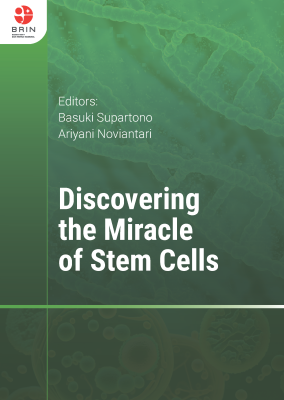

This work is licensed under a Creative Commons Attribution-NonCommercial-ShareAlike 4.0 International License.