
















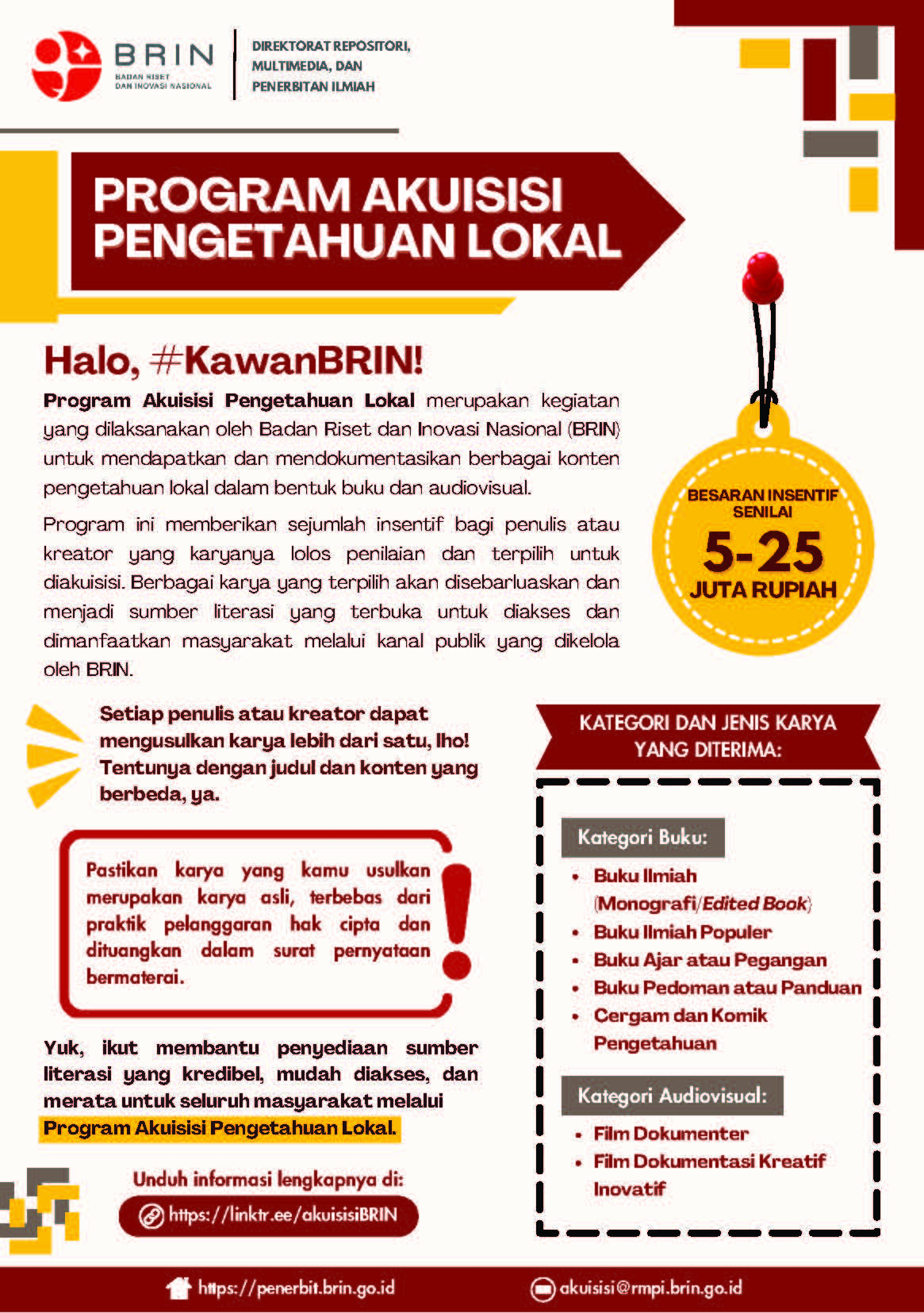










Material komposit memiliki banyak keunggulan dibandingkan dengan material-material yang lain. Salah satu keunggulan tersebut adalah sifatnya yang kuat, kaku, sekaligus ringan. Material dengan sifat-sifat yang seperti ini sangat diperlukan untuk pembuatan struktur ringan yang banyak diaplikasikan di berbagai bidang. Melihat luasnya penggunaan material komposit untuk pembuatan struktur ringan maka penjelasan yang komprehensif, sistematis, dan terperinci tentang material tersebut juga sangat diperlukan. Buku ini ditulis dengan harapan dapat menjadi bacaan utama baik bagi pelajar, pengajar, maupun praktisi di bidang material komposit.
Pembahasan pada buku ini terfokus pada analisis tentang mekanika dari material komposit yang berupa lamina dan laminat pada skala makro. Inti dari pembahasan tersebut adalah berupa penjelasan tentang hubungan respons material komposit dengan gaya luar, perubahan suhu, dan perubahan tingkat kelembapan dari material komposit tersebut.
Buku ini terdiri atas delapan bab yang berkaitan antara satu dan lainnya. Bab pertama menjadi dasar untuk mempelajari bab kedua dan seterusnya. Oleh sebab itu, setiap bab pada buku ini harus dipelajari secara berurutan. Kemudian, untuk memudahkan pembaca, di setiap awal bab, terdapat peta konsep yang menunjukkan keterkaitan antarsubbab pada bab tersebut. Selain itu, terdapat contoh-contoh soal terkait konsep-konsep yang diberikan.
Pembaca buku ini diasumsikan telah mempelajari kalkulus, aljabar linier dan fisika dasar mekanika. Pemahaman pembaca tentang mekanika material akan sangat membantu, tetapi pemahaman tersebut tidak menjadi prasyarat untuk mempelajari buku ini.
Buragohain, M. K. (2017). Composite structure: Design, mechanics, analysis, manufacturing, and testing. Taylor & Francis Group.
Callister, W. D., dan Rethwisch, D. G. (2013). Materials science and engineering. John Wiley & Sons, Inc.
Gere, J. M. (2004). Mechanics of materials. Thomas Learning.
Gibson, R. F. (2012). Principles of composite material mechanics. CRC Press, Taylor & Francis Group.
Hyer, M. W. (1998). Stress Analysis of fiber-reinforced composite materials. McGraw-Hill Companies, Inc.
Kaw, A. K. (2006). Mechanics of composite materials. CRC Press, Taylor & Francis Group.
Nettless, A. T. (1994). Basics mechanics of laminated of composite plates. NASA Reference Publication.
Pytel, A., & Kiusalaas, J. (2012). Mechanics of materials. Cengage Learning.
Srinath, L. S. (2009). Advanced mechanics of solids. Tata McGraw-Hill Publishing Company Limited.
Ugural, A. C. (2018). Plates and shells theory and analysis. CRC Press, Taylor & Francis Group.

This work is licensed under a Creative Commons Attribution-NonCommercial-ShareAlike 4.0 International License.
This book that publish in BRIN Publishing is licensed under a Creative Commons Attribution Non-commercial Share Alike 4.0 International license (CC BY-NC-SA 4.0). This license permits you to share, copy, distribute and transmit the work for your personal use and non-commercial purposes, provided you provide appropriate attribution. Derivative works and modifications must use the same license. Detailed information regarding the CC-BY-NC-SA 4.0 license is available via the link: https://creativecommons.org/licenses/by-nc-sa/4.0/
BRIN Publishing has a program named Akuisisi Pengetahuan Lokal that acquisition any of books or audiovisual content that meet our standard publication. The rights of BRIN Publishing is to disseminate and distribute all the content acquisitions for the public.
As an author you (or your employer or institution) may do the following:
All copies, print or electronic, or other use of the paper or article must include the appropriate bibliographic citation for the books